 NexBrowser指纹浏览器-官方博客Blog
只是一个默认分类
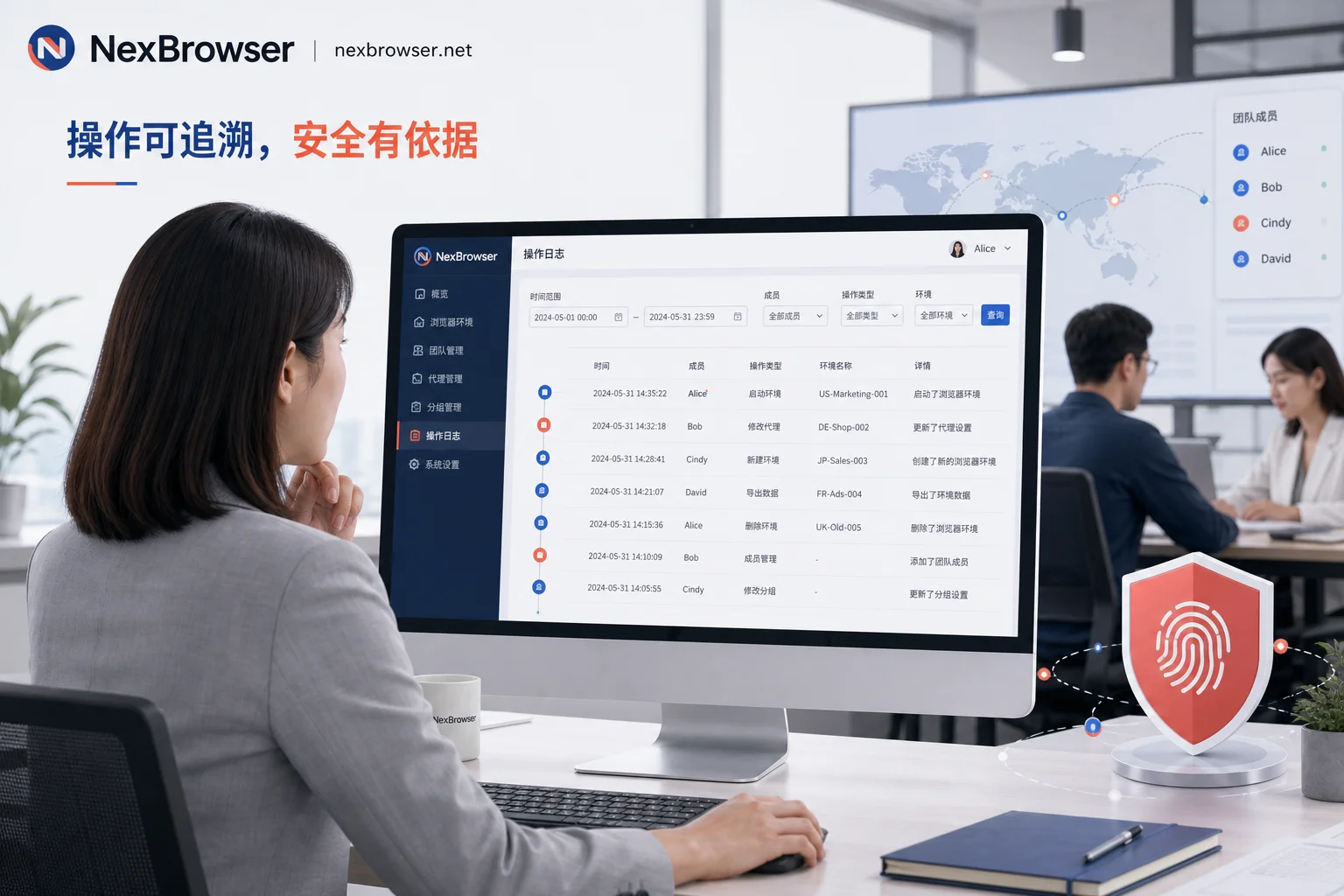
What Can the Log Audit Feature of a Multi-User Collaborative Anti-Detection Browser Find? Three Types of Records
The log audit feature of multi-user collaborative anti-detection browsers records three types of operations: environment lifecycle (window open/close), member and permission changes, and credential and proxy configuration modifications; it cannot see in-window page behavior. This article explains how to trace actions to individuals and steps.
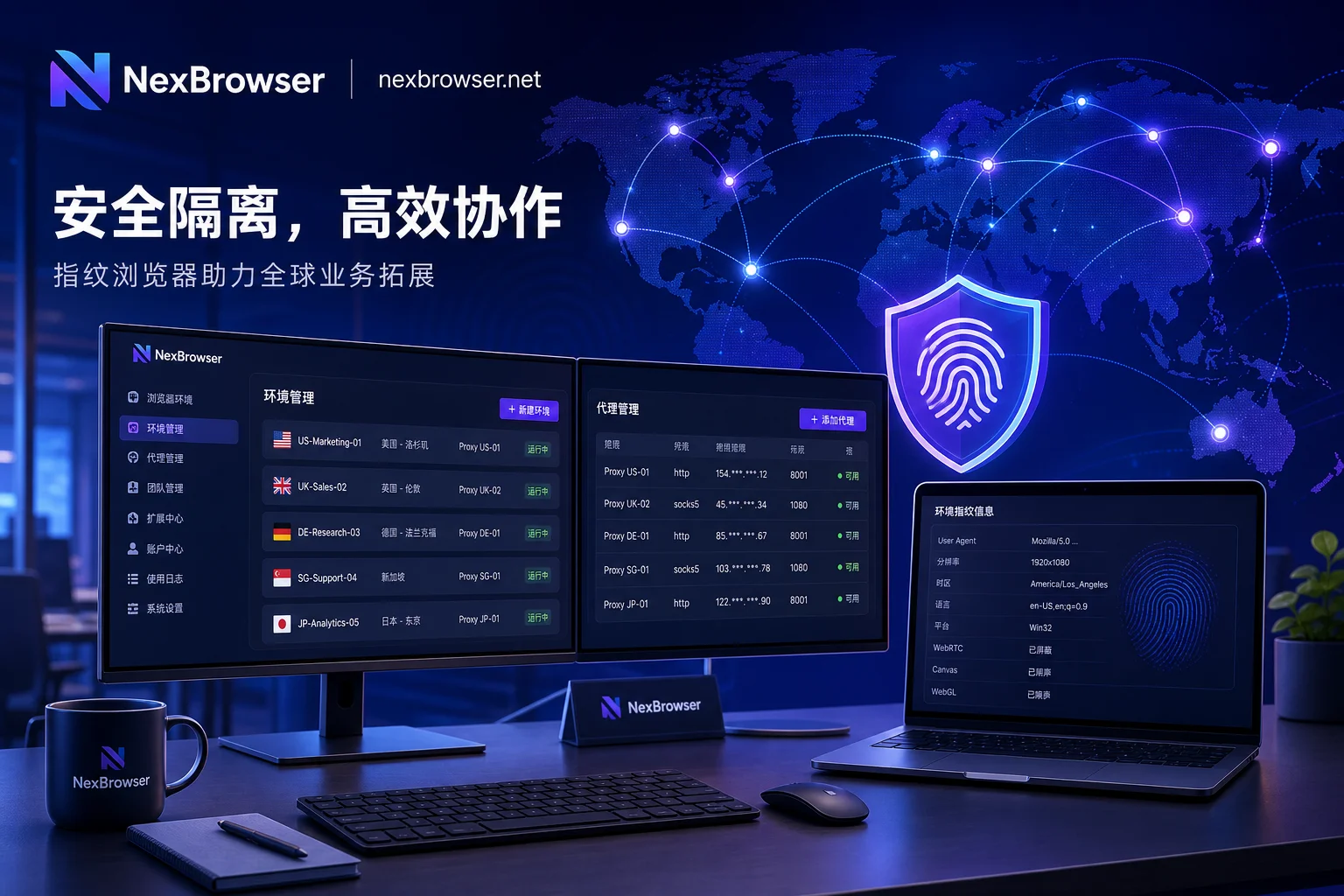
Combining Static Residential IPs and Dynamic Proxies in Fingerprint Browsers: Classify by Session Attributes
This guide explains how to combine static residential IPs and dynamic proxies in fingerprint browsers, based on whether switching exit IP mid-task would break a logged-in session.
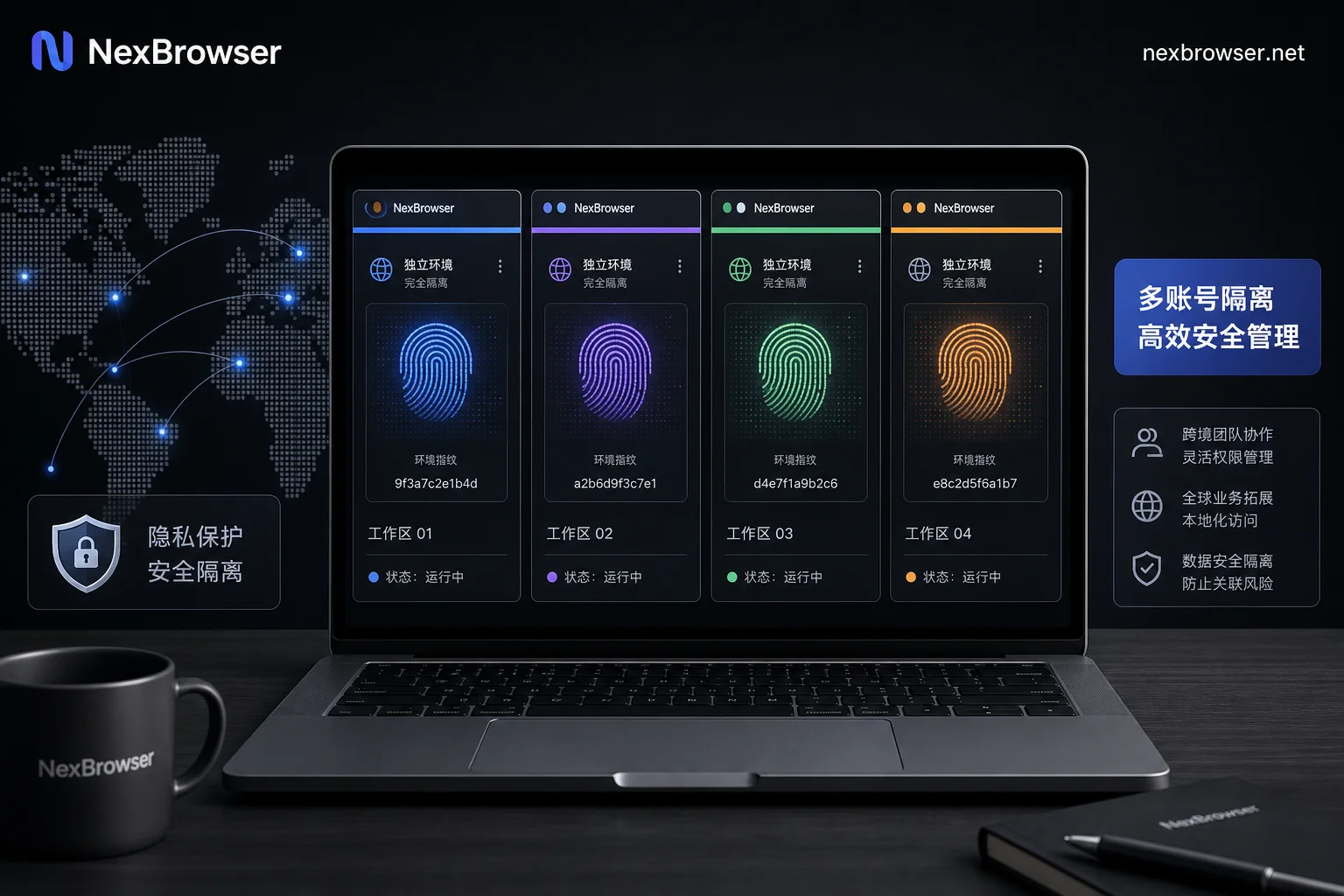
How to Choose a Ghost Browser Alternative? First, Distinguish Between Multi-Session and Anti-Association
The key to choosing a Ghost Browser alternative is not the number of features but the isolation level. This guide explains the technical boundaries and provides four checklist items, a migration checklist, and FAQs.

How to Prevent Association in Multi-Store Shopify Management? Two Key Lines
Preventing association in multi-store Shopify management requires two parallel tracks: official permissions (authorization line) control who can access what, while isolated browser environments (login line) separate device and network traces.

How B2B Marketing Teams Can Collaborate Securely Across Multiple LinkedIn Accounts
For B2B teams going global, this article provides five checkable isolation criteria for multi-account collaboration: account ownership, login environment, network exit, outreach cadence, and verification handling, while correcting common misconceptions about residential IPs and offering actionable configuration checklists.