 NexBrowser指纹浏览器-官方博客Blog
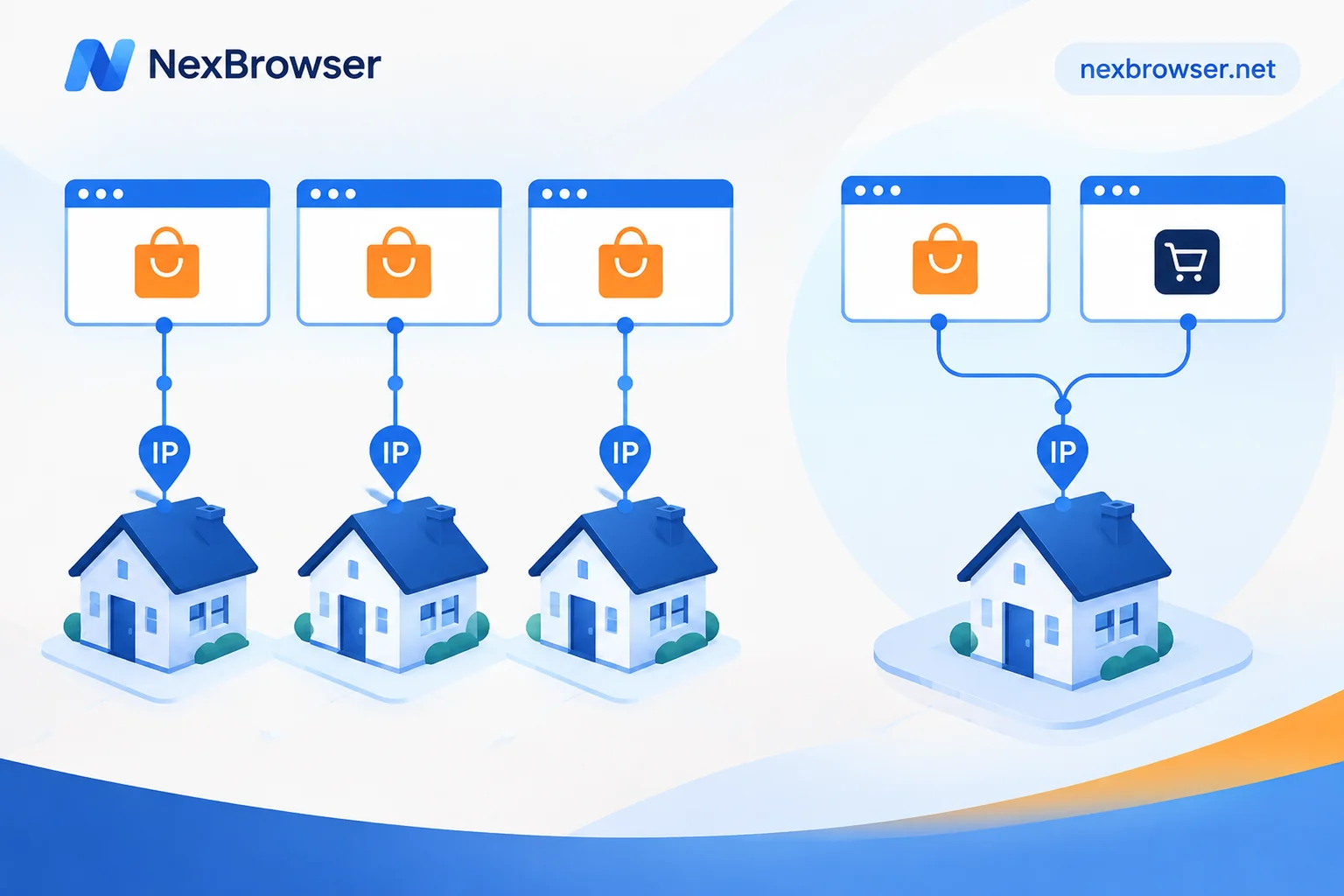
Does Each Account Need Its Own Static Residential IP? Separate Same-Platform Accounts, Reuse Across Platforms
Whether each account needs its own static residential IP depends on if accounts are on the same platform and how critical they are; separate same-platform accounts, reuse across platforms.
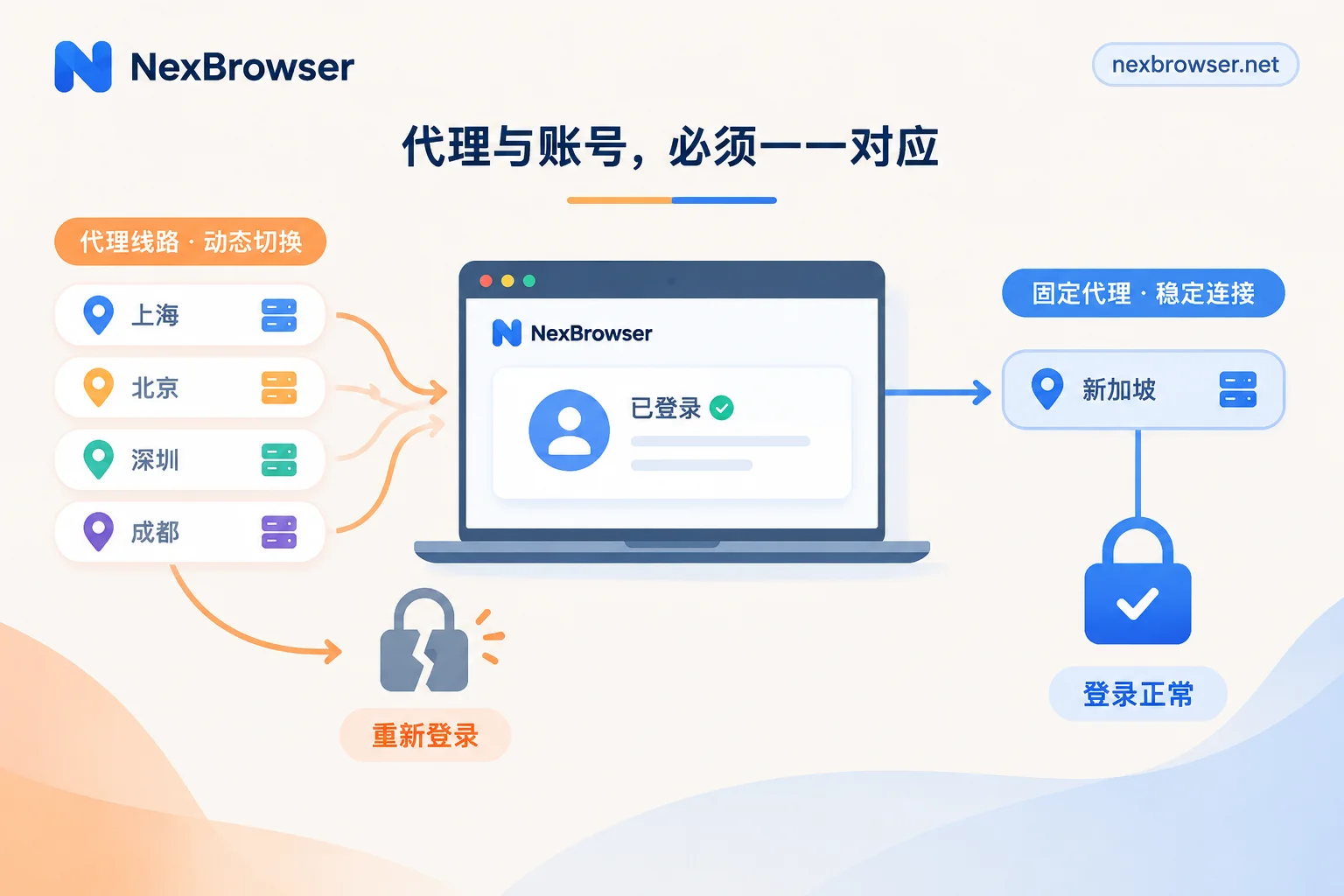
Will Rotating Proxies Cause Login Drops? Yes, It Depends on Rotation Timing and Whether the Site Binds IP
Rotating proxies can indeed cause accounts to be logged out, especially with per-request rotation or when the IP changes across regions mid-operation. This article explains three common mechanisms by which websites revoke login status after an IP change, provides methods to determine if a logout is caused by IP changes, and for three scenarios—scraping without login, short-term logged-in tasks, and long-term account maintenance—explains how to choose and bind proxies, and how to confirm the exit IP hasn't changed mid-session.
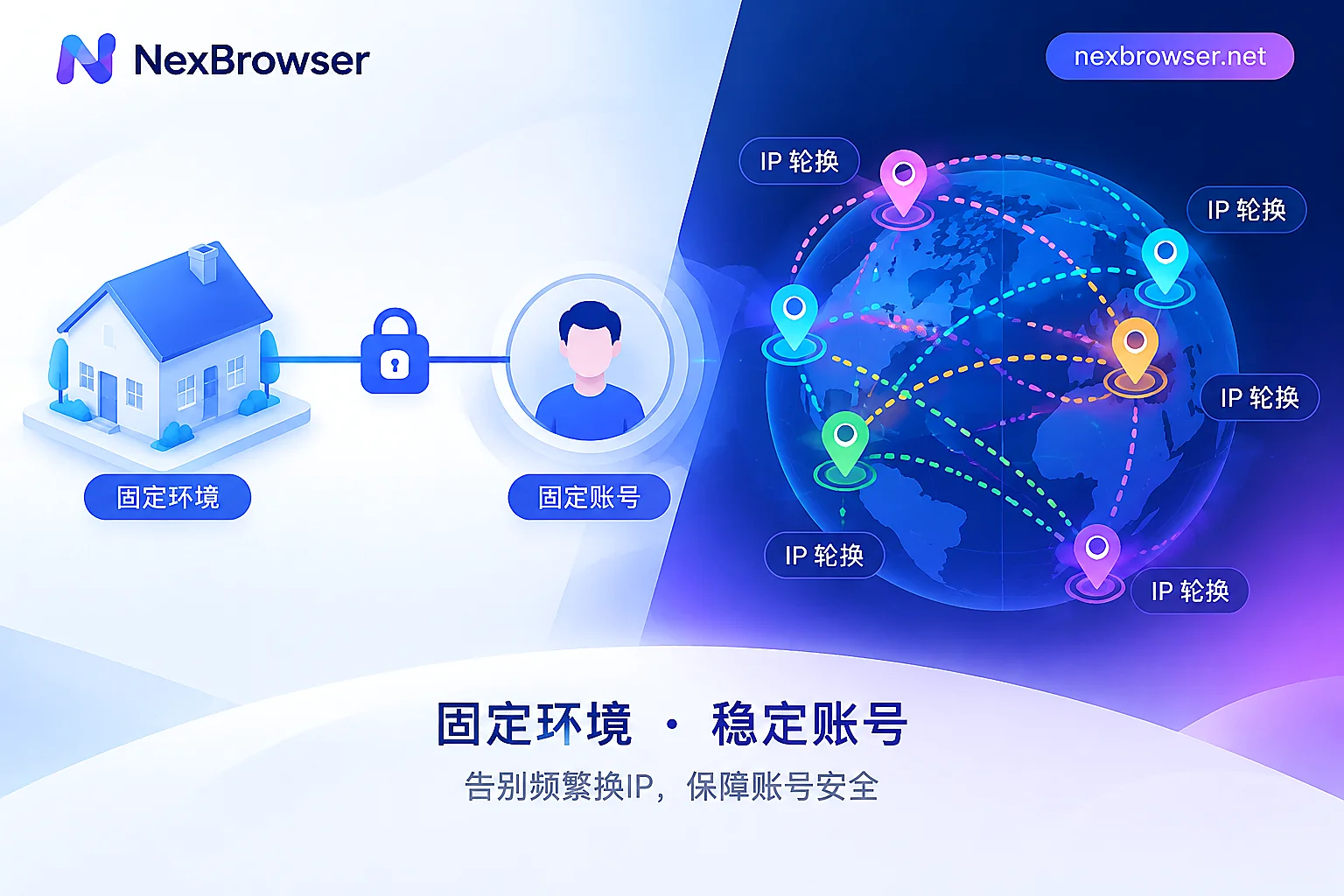
Static Residential IP vs Dynamic IP for Account Farming: Static for Long-Term Logins, Dynamic for Scraping Tasks
Long-term login, continuously operated accounts are better suited to static residential IPs (ISP IPs), while rotating dynamic IPs are better for scraping tasks that don't require staying logged in. This article explains the differences and how to choose by scenario, plus what to check before the first login after binding a proxy in a browser environment.
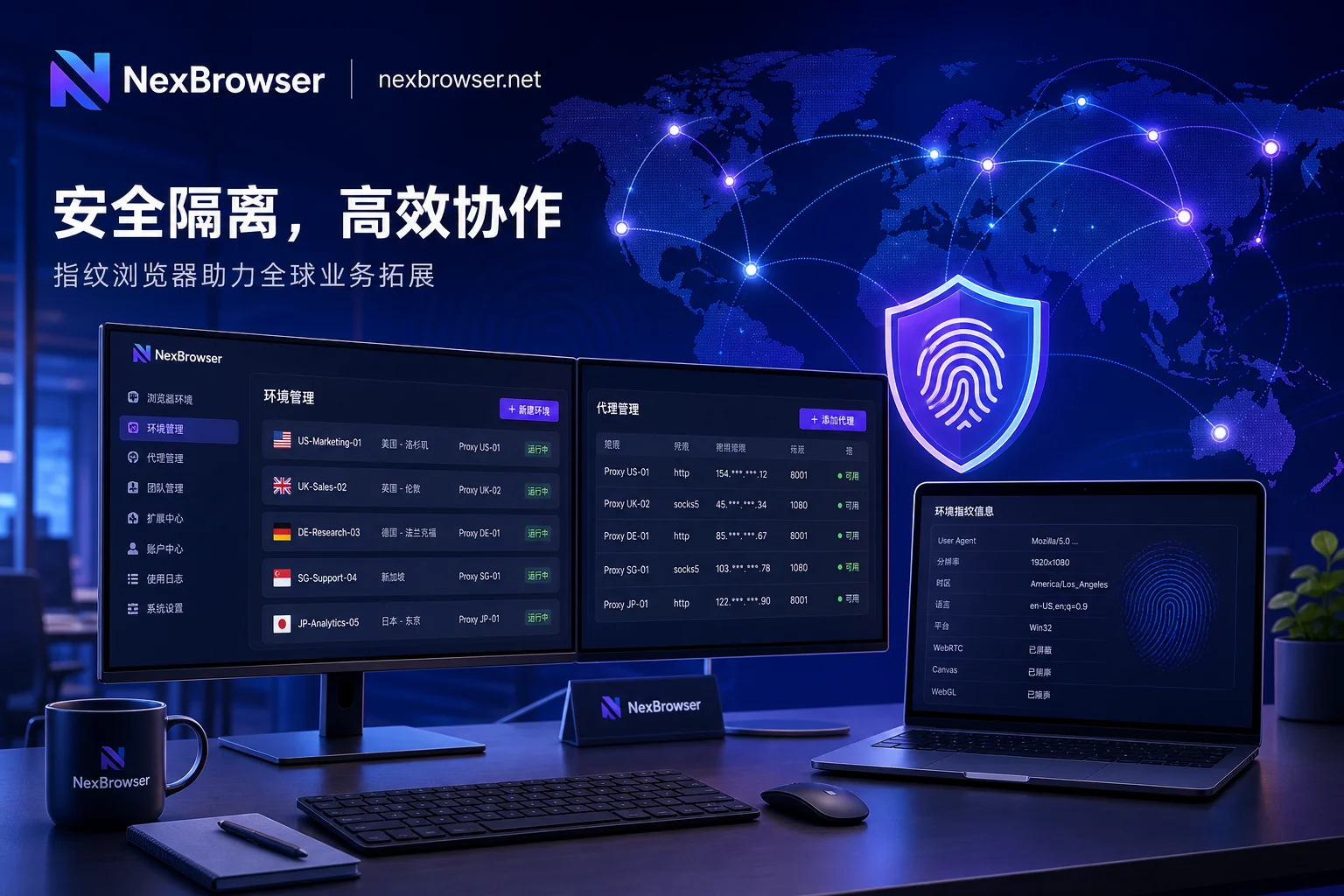
Combining Static Residential IPs and Dynamic Proxies in Fingerprint Browsers: Classify by Session Attributes
This guide explains how to combine static residential IPs and dynamic proxies in fingerprint browsers, based on whether switching exit IP mid-task would break a logged-in session.

Claude Identity Verification: A Guide for Chinese Users
A comprehensive guide for Chinese users on Claude's new identity verification requirements, including trigger conditions, challenges, and solutions for stable usage.