 NexBrowser指纹浏览器-官方博客Blog
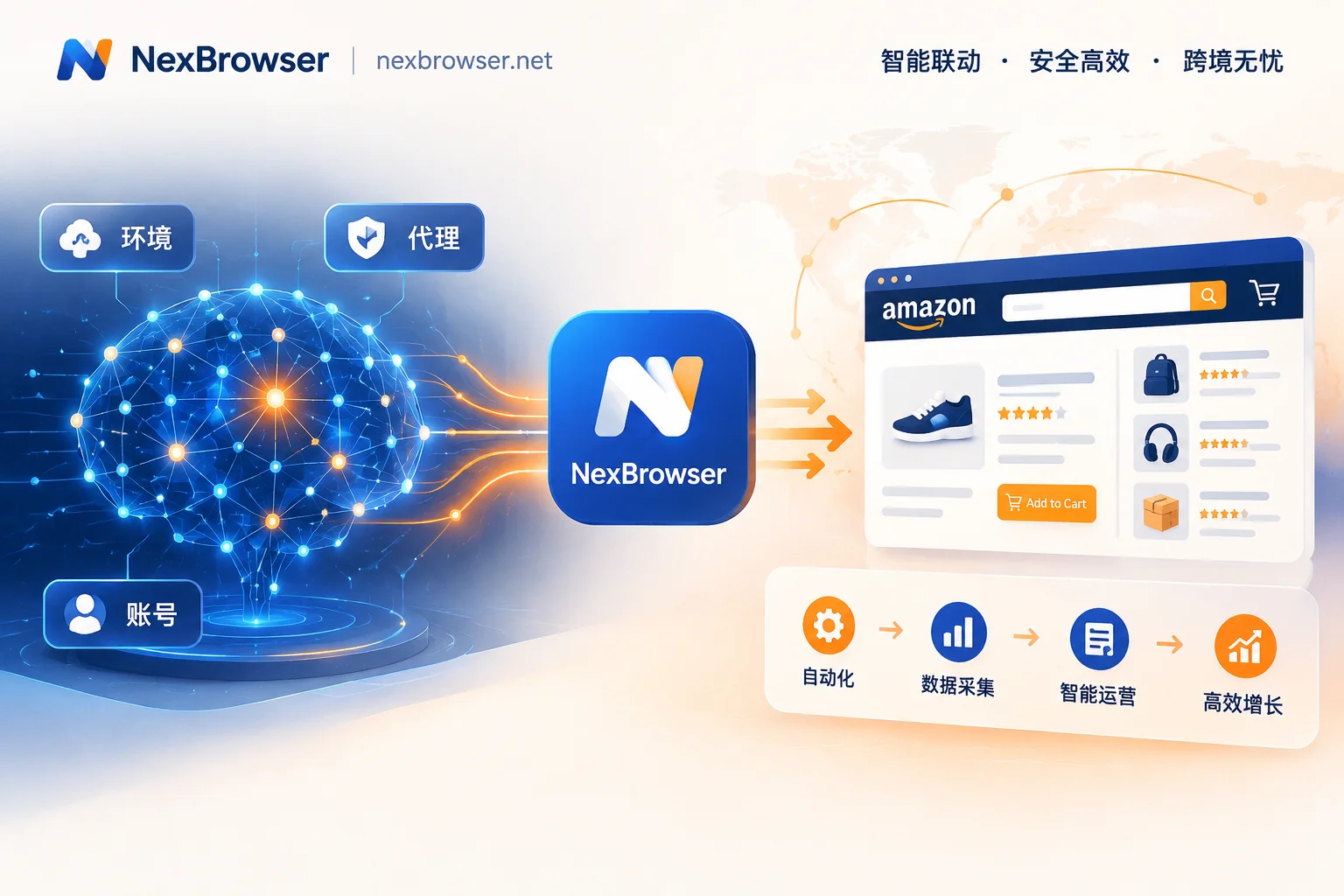
The New Landscape of Amazon Multi-Account Operations: Building an Anti-Association Moat in the Age of AI Automation
Amazon risk controls are becoming increasingly aggressive, and traditional manual anti-association methods can no longer keep up. This article explores how Amazon multi-store operators can use NexBrowser to achieve efficient and secure workflows, from environment isolation to automation, in an era where AI Agents and automation tools are widespread.
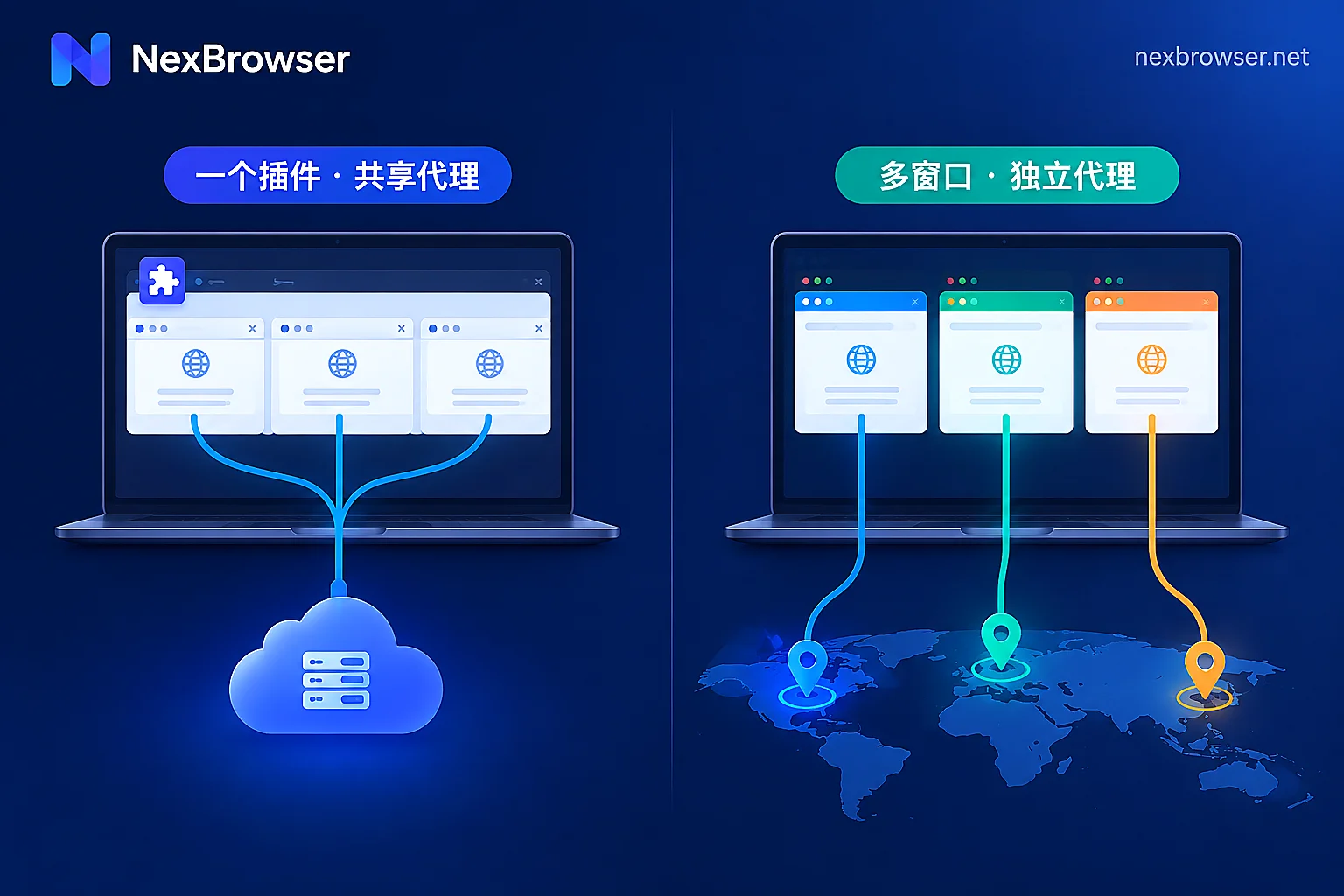
Browser Extension Proxy vs. Built-in App Proxy: Choose by How Many Accounts You Manage
The difference between extension proxies and built-in app proxies isn't which one "changes IPs better" but at which layer the proxy takes effect: extensions modify requests sent by the browser, while built-in proxies lock down the network exit when the environment starts—so one browser with occasional routing only needs an extension, but running multiple independent accounts on one machine calls for built-in proxies with per-environment exit verification.
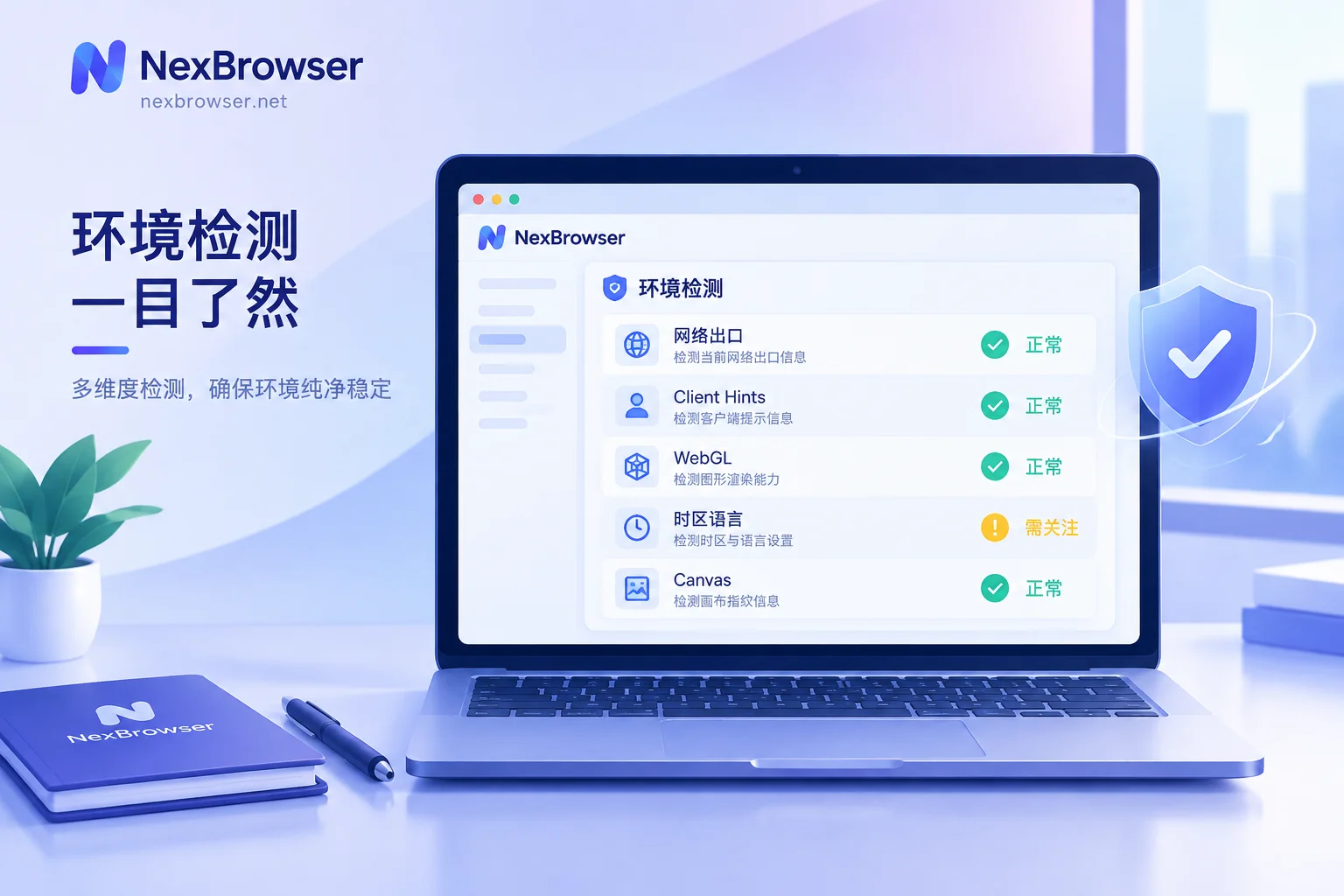
How to Detect Fingerprint Browser Environment Authenticity and Spoofing Leaks: Three Types of Issues, Three Tools, One Checklist
Detecting a fingerprint browser environment mainly involves three things: whether the real IP leaks, whether parameters across layers match, and whether there are obvious signs of added noise.
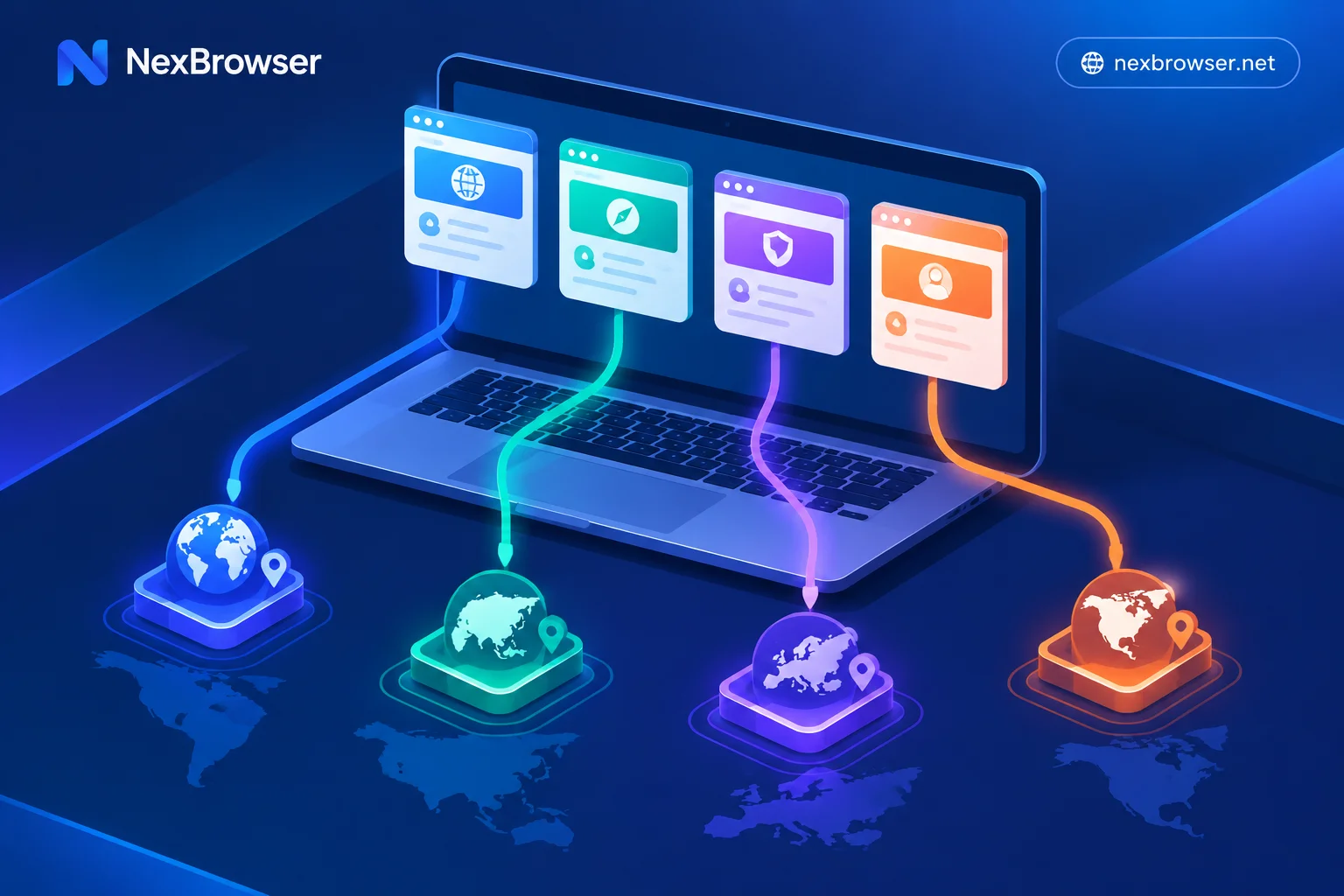
How to Choose an Antidetect Browser: Don't Chase Rankings, First Verify These Four Things on the Free Tier
Rankings aren't verifiable, so ignore them. What actually determines whether a browser works for you are four checkable things: free-tier feature cuts, API paywalls, the level of environment isolation, and whether setups survive migration and handover.
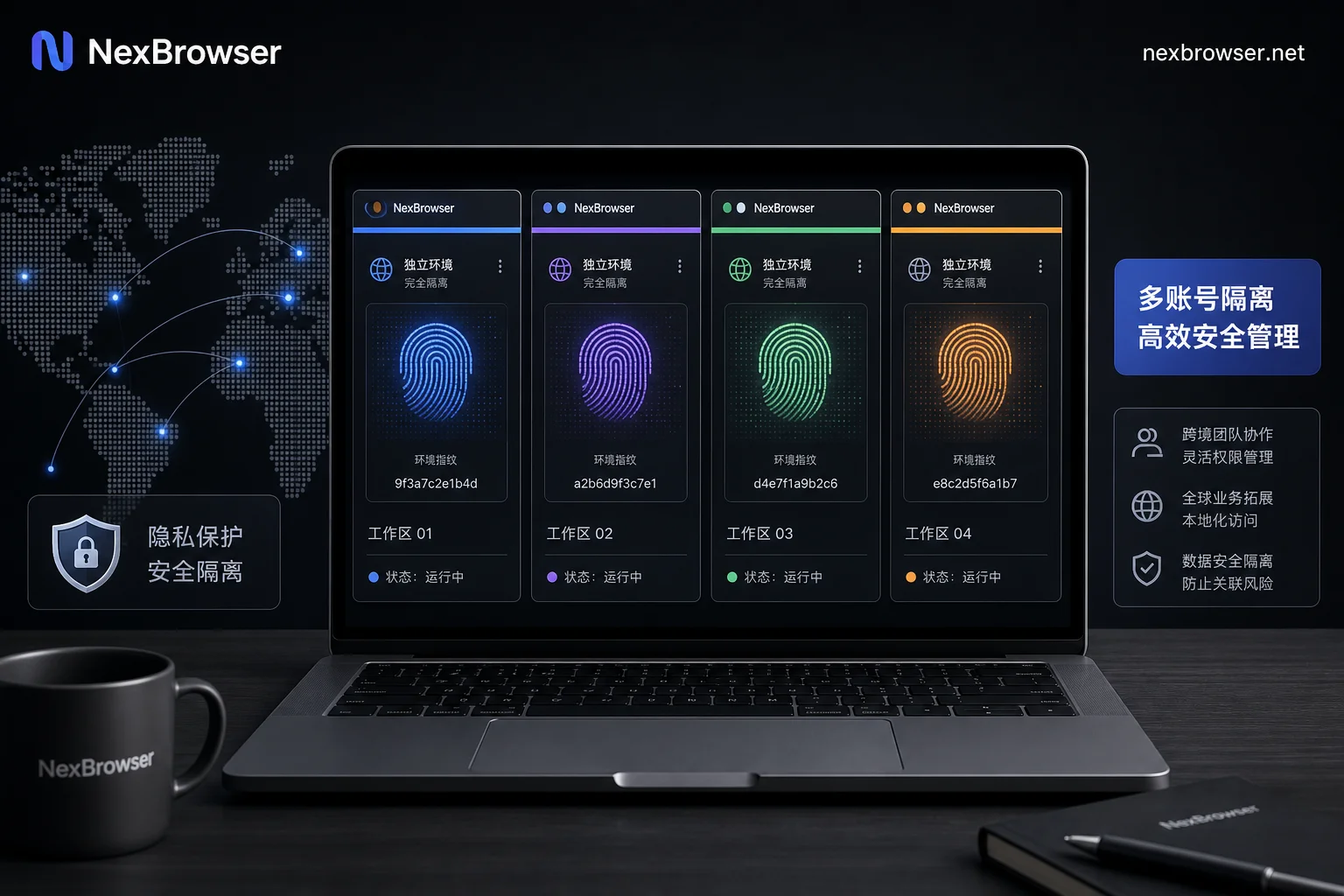
How to Choose a Ghost Browser Alternative? First, Distinguish Between Multi-Session and Anti-Association
The key to choosing a Ghost Browser alternative is not the number of features but the isolation level. This guide explains the technical boundaries and provides four checklist items, a migration checklist, and FAQs.