 NexBrowser指纹浏览器-官方博客Blog
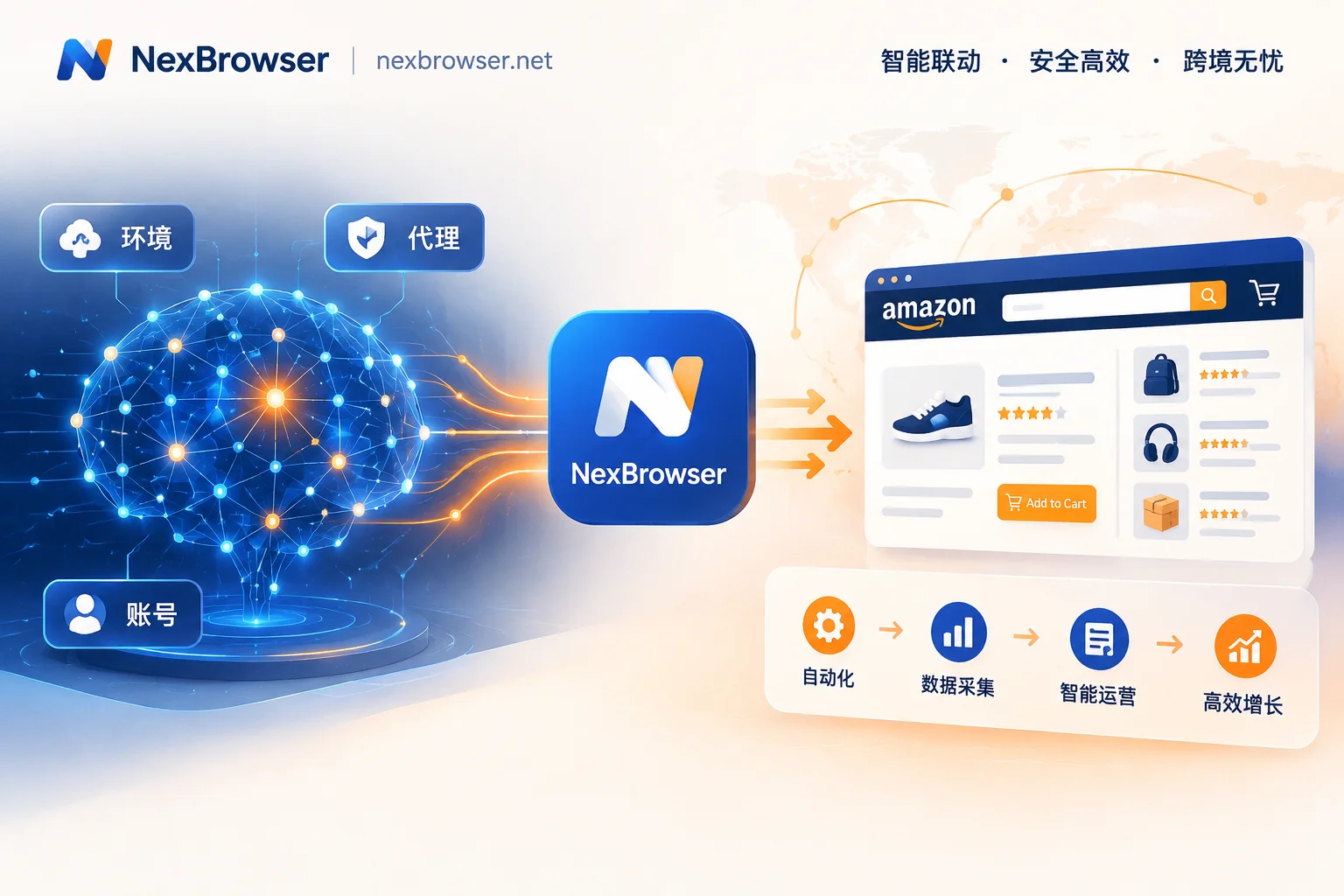
In today's cross-border e-commerce environment, Amazon's risk control mechanisms have evolved from simple IP matching to comprehensive multi-dimensional judgment based on behavioral characteristics, device fingerprints, hardware parameters, and more. Facing the Q4 peak season, many sellers are still haunted by the shadow of "chain suspension." Relying solely on changing IPs or switching accounts can no longer meet security requirements. What we need is a "multi-account anti-association workbench" that can simulate real operational logic.
Why Are "Manual + Old Methods" No Longer Safe?
Many sellers still habitually use different browser plugins on the same computer or manually clear cache. But under Amazon's extremely sensitive anti-crawling mechanisms, this approach is essentially "running naked."
The real core of Amazon multi-store anti-association is: making Amazon believe that behind every store is a completely independent real computer with matching geographic location and normal behavioral habits.
Three Core Dimensions for Building an Anti-Association Moat
1. "Deep Self-Consistency" of Fingerprint Environments
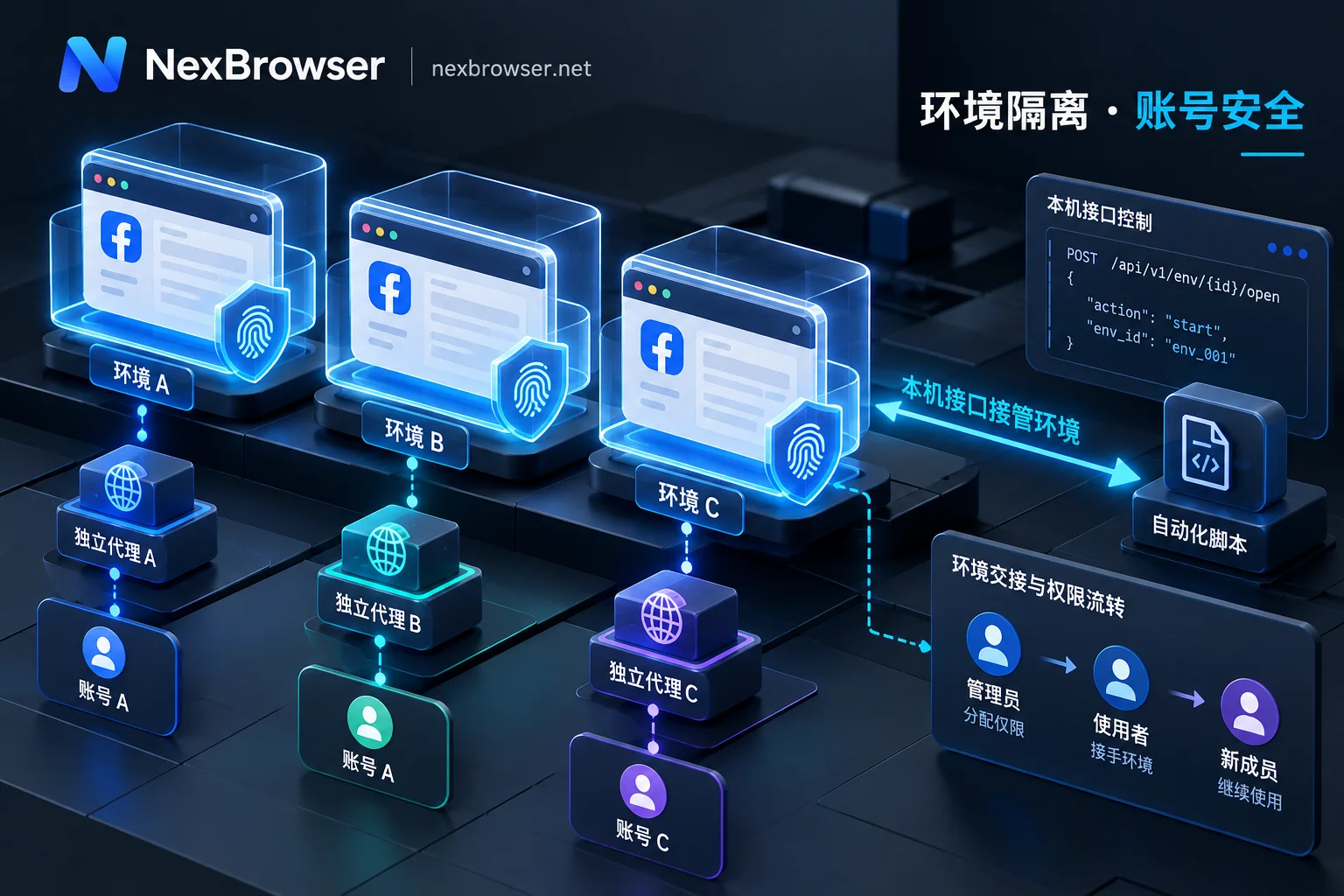
Through deep development based on the Chrome kernel, NexBrowser ensures that Canvas, WebGL, fonts, hardware parameters, and more are not only independent but also logically self-consistent. It automatically aligns time zones, languages, and WebRTC policies based on the proxy exit, preventing cross-association caused by information leaks.
2. From "Account-Switching Drain" to "AI Automation Collaboration"
In the past, we used window synchronization for batch operations, but complex scenarios still easily led to operational errors. The current operational trend is to introduce AI.
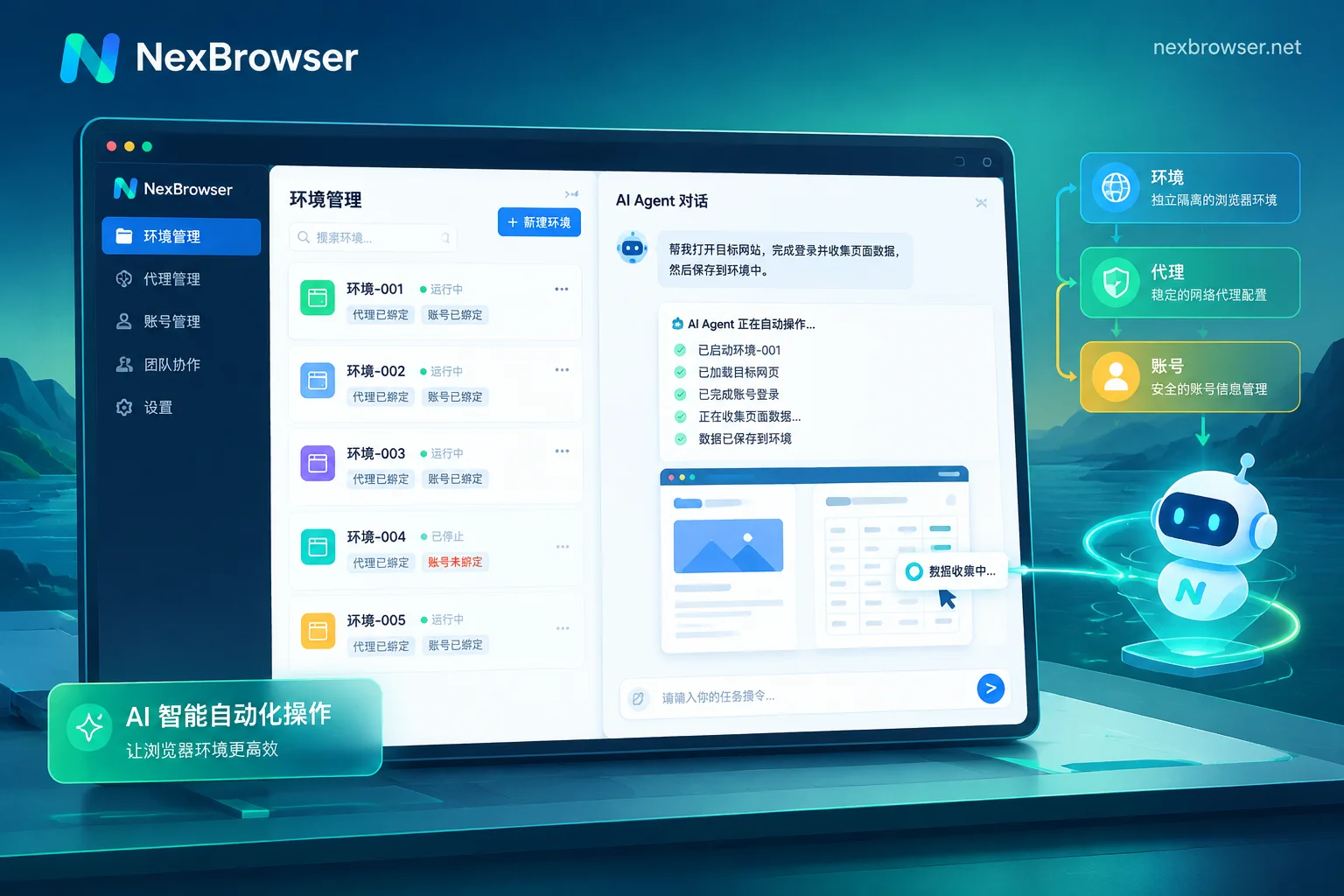
NexBrowser's built-in AI Agent can delegate tasks to AI. You can issue instructions in natural language (e.g., "Open Store A, check inventory, and if out of stock, trigger the restocking process"), and the Agent will automatically take over page operations. Every execution preserves the environment's login state, eliminating the hassle of frequent verification.
3. Automation API and Developer Ecosystem
For teams with technical capabilities, Local API and MCP features are efficiency multipliers. You can connect your existing scripts (such as Playwright, Puppeteer) directly to NexBrowser, and through RPA no-code orchestration, delegate repetitive listing, appeals, and price adjustment tasks to the system for automatic execution, achieving true "7x24-hour" secure monitoring.
Team Collaboration: Permissions Matter More Than Passwords
Anti-association is not just a technical task; it's also a management task. The team collaboration feature allows administrators to assign environment permissions, so members don't need account passwords when operating, enabling "password-free environment sharing." Combined with detailed log tracing, no matter who operates which store and when, everything is under control.
Pitfall Avoidance Guide for Sellers
- Don't change proxies frequently: Unless necessary, try to bind fixed residential IPs to fixed stores to avoid risk control triggered by network fluctuations.
- Prioritize environment isolation: Use NexBrowser's grouping and tagging features to strictly separate stores with different business attributes and different operators.
- Embrace automation: Within permitted rules, use RPA to reduce manual intervention frequency and lower the risk of being flagged by the platform due to monotonous operational habits.
Want to upgrade your anti-association solution immediately? Visit the download page to try it out, or check out our free tier full-feature plan to start your efficient multi-store operations journey.


Comments(0)