 NexBrowser指纹浏览器-官方博客Blog
只是一个默认分类
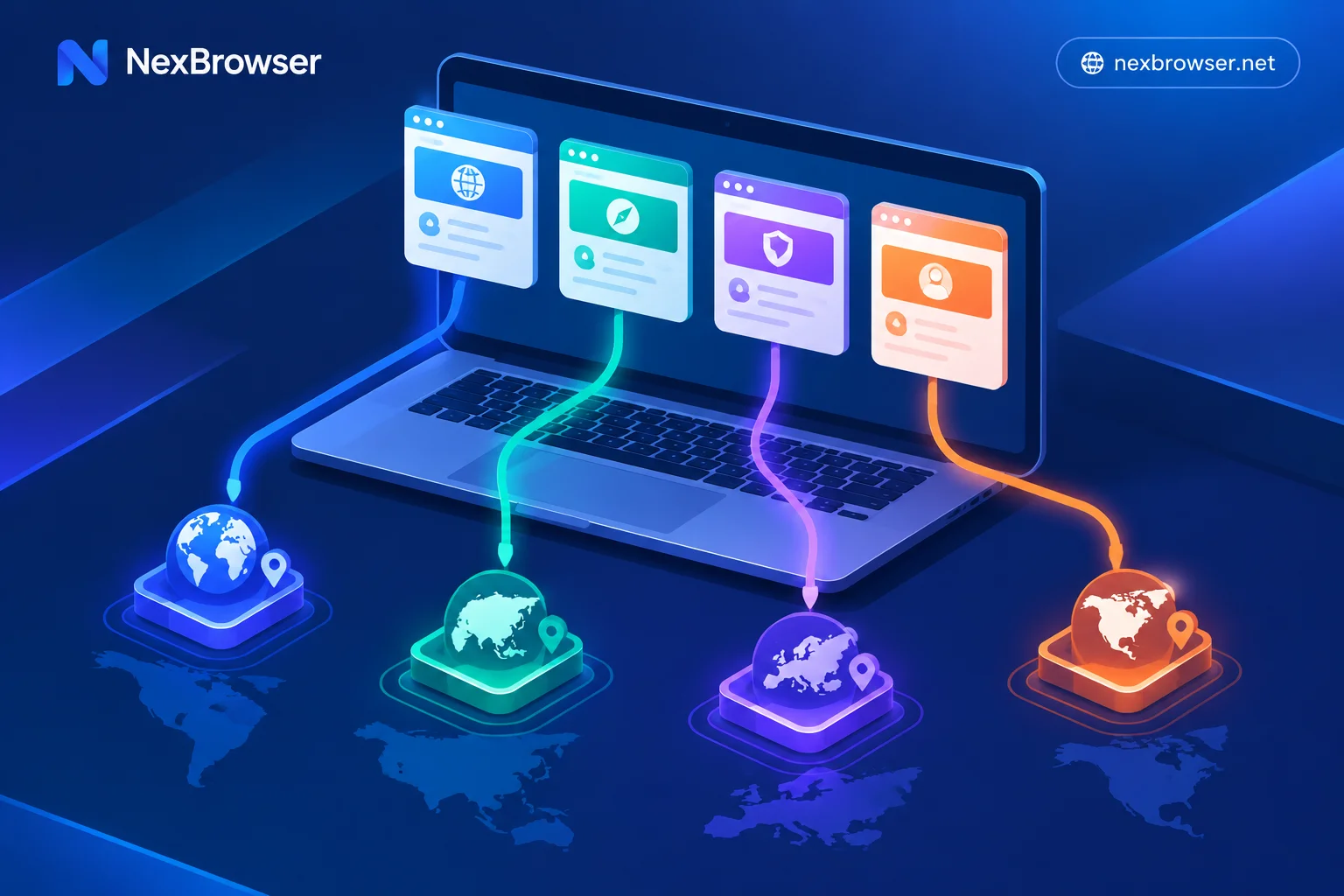
How to Choose an Antidetect Browser: Don't Chase Rankings, First Verify These Four Things on the Free Tier
Rankings aren't verifiable, so ignore them. What actually determines whether a browser works for you are four checkable things: free-tier feature cuts, API paywalls, the level of environment isolation, and whether setups survive migration and handover.
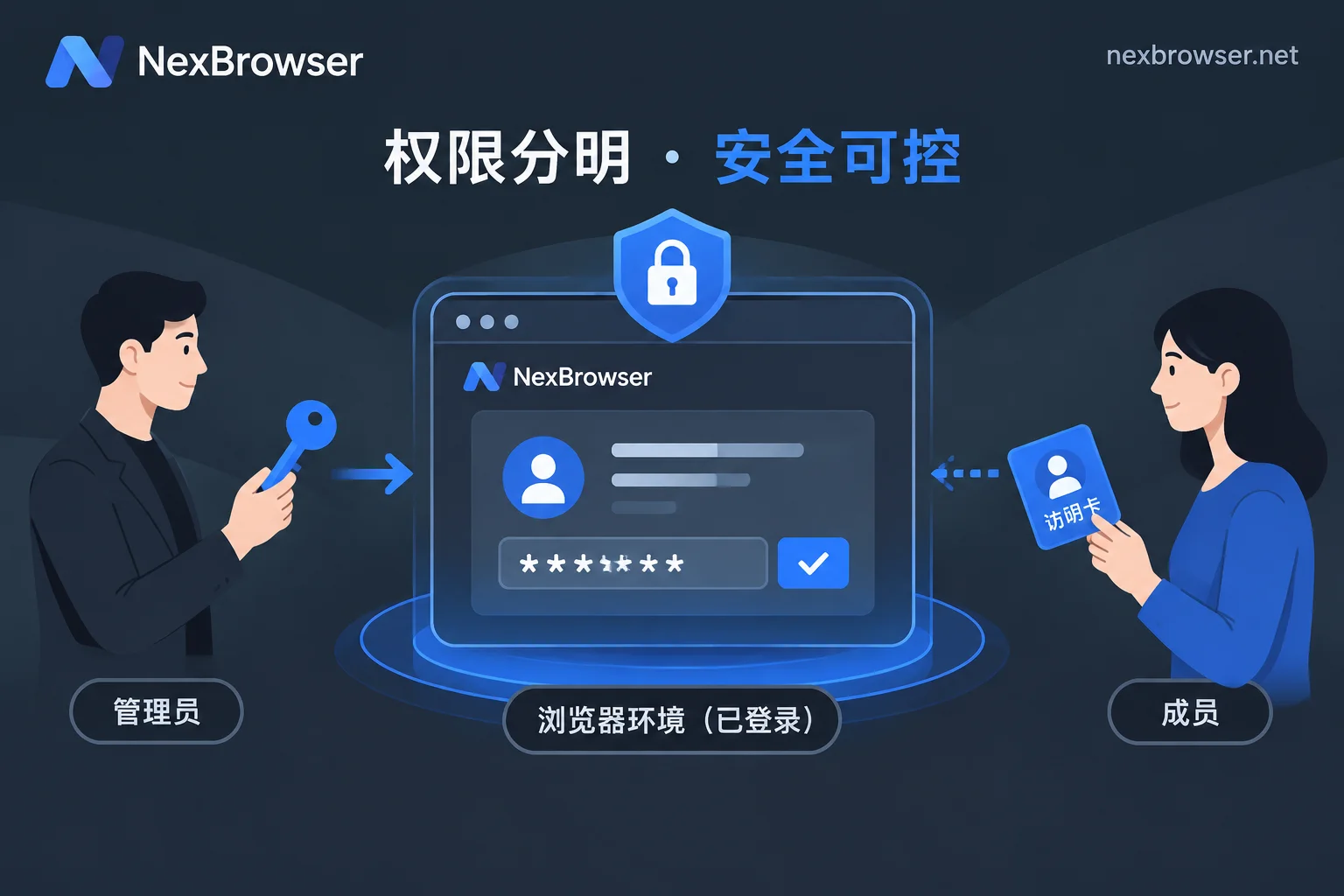
Let Members Log Into Environments Without Seeing Credentials: Distribute Sessions, Not Passwords
How to hand off accounts to operators or contractors by syncing the login session instead of the password, with admin setup order, permissions to disable for members, self-check steps, and offboarding.
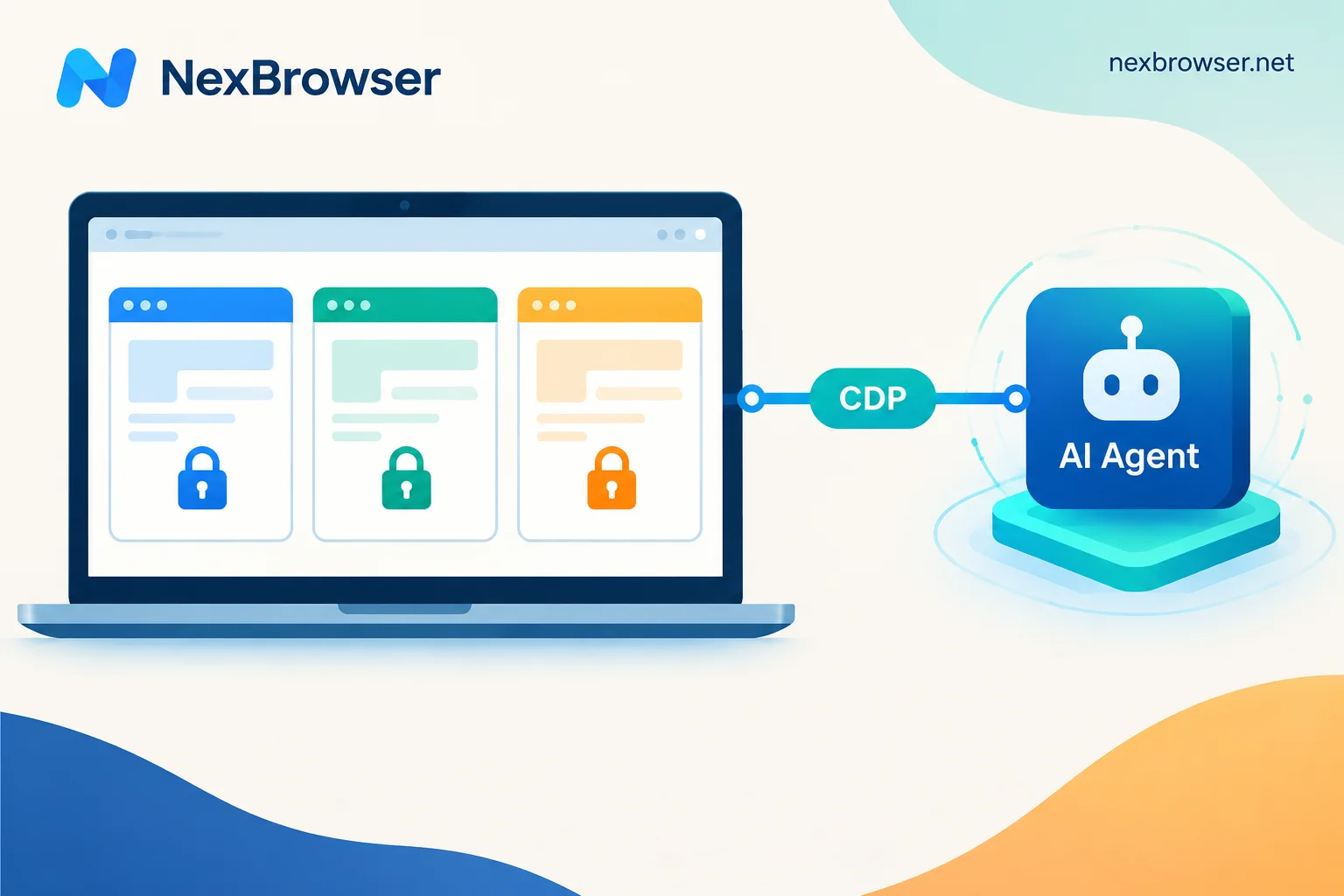
How to Connect browser-use and Playwright MCP to an Antidetect Browser: Using CDP to Attach to an Already-Launched Environment
Connect AI agents to an antidetect browser via CDP: launch a specific environment with Local API, feed the CDP endpoint to browser-use or Playwright MCP, and verify the proxy exit and fingerprint actually take effect.
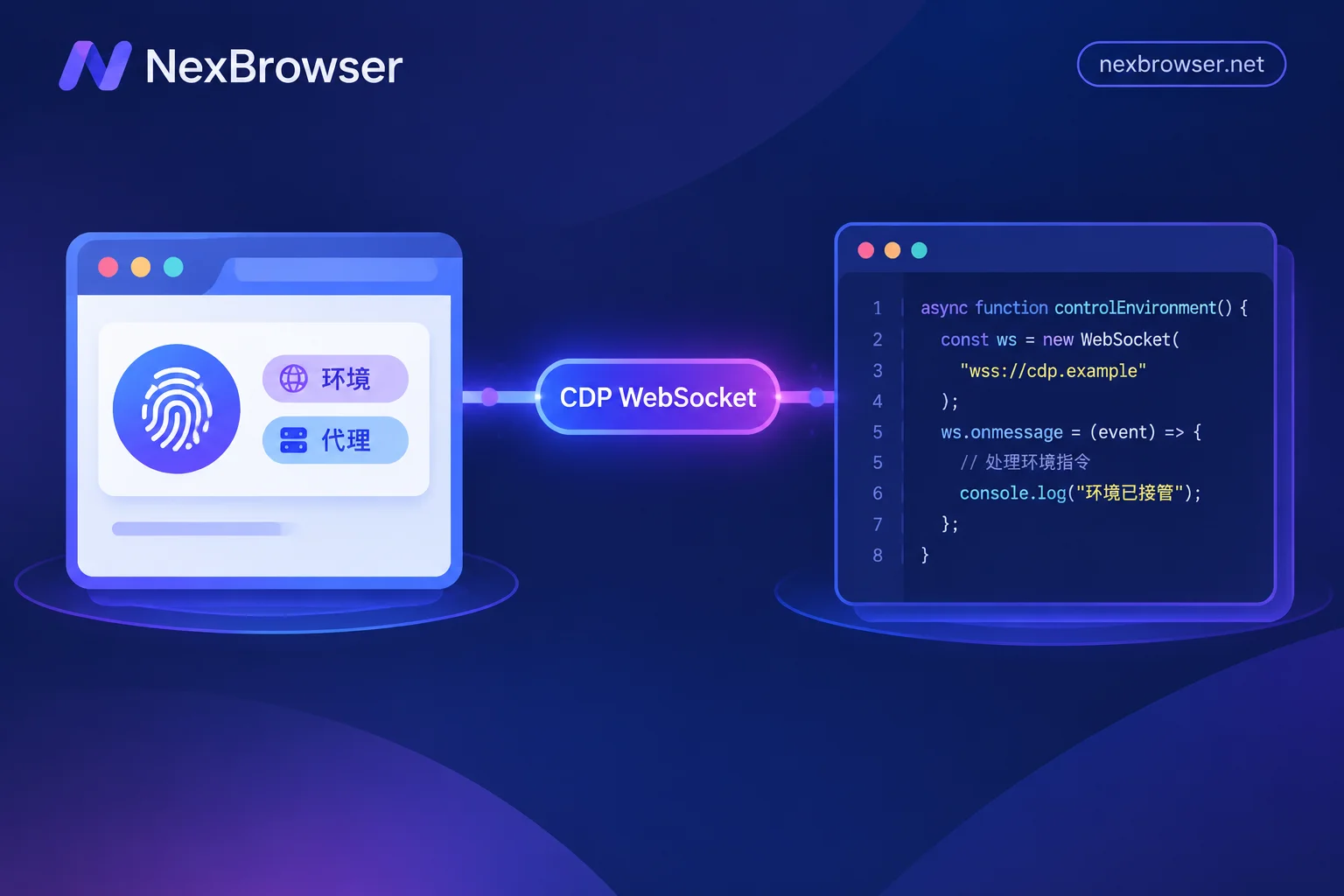
Puppeteer / Playwright Take Over a Fingerprint Browser Environment: Connect, Don't Launch
To run scripts in an environment already configured with fingerprints, proxies, and login sessions, start the target environment via Local API to obtain the CDP debug address, then attach with puppeteer.connect() or chromium.connectOverCDP(). This article covers the complete action sequence, differences between the two frameworks, three checks after attaching, and whether to disconnect or close the environment at the end.
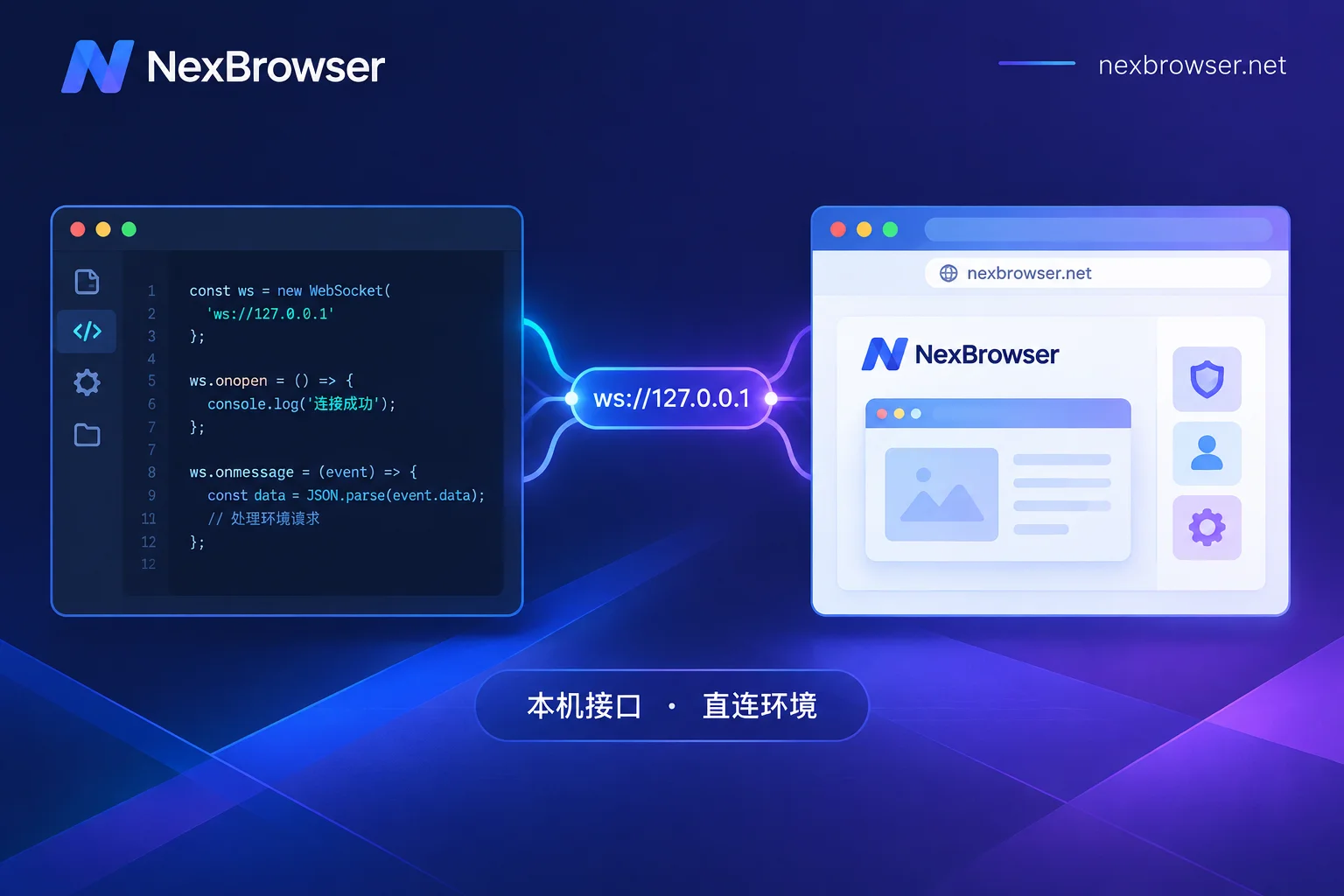
How to Launch a Local API Environment and Get the Debug Port: From Request to Framework Takeover
Use a local HTTP API to launch a browser by environment ID, parse the returned debug port and wsEndpoint, and connect to Puppeteer, Playwright, and Selenium. Includes readiness checks, process cleanup, and troubleshooting order for common connection failures.
