 NexBrowser指纹浏览器-官方博客Blog
Choosing a Fingerprint Browser for Cross-Border E-Commerce and Ad Buyers: Decoding 'Environment Continuity' and Hidden Pricing Traps
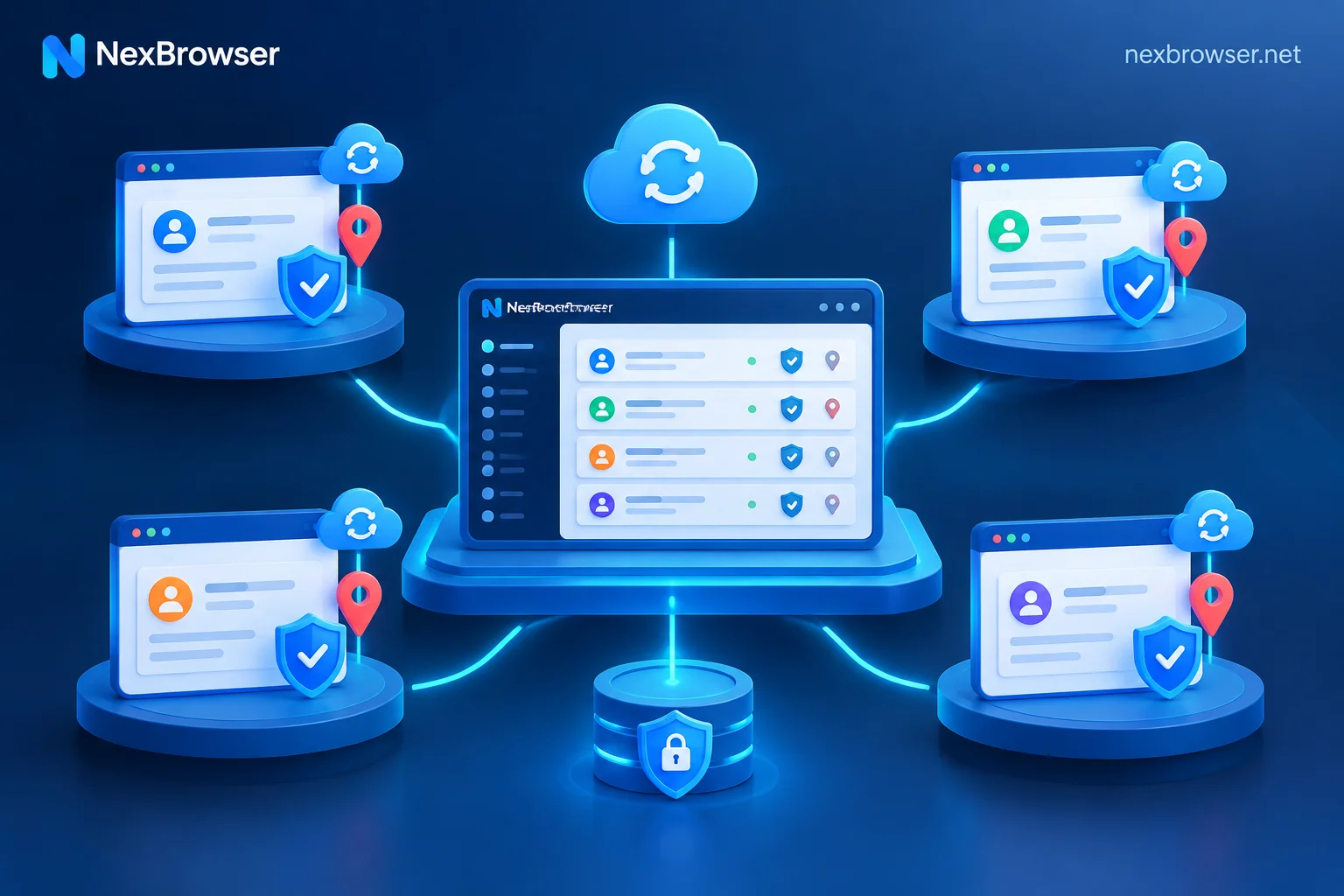
In 2026, risk control for cross-border e-commerce multi-store and overseas ad campaigns has shifted to environment continuity verification. This article breaks down common pitfalls in multi-account operations such as fingerprint consistency, cross-device synchronization, team exclusive locks, and package billing, and introduces how to build a stable multi-account workbench with NexBrowser.
2026 Oracle Cloud Free Registration Guide: Solving ABC Error and Social Media Matrix Multi-Account Management
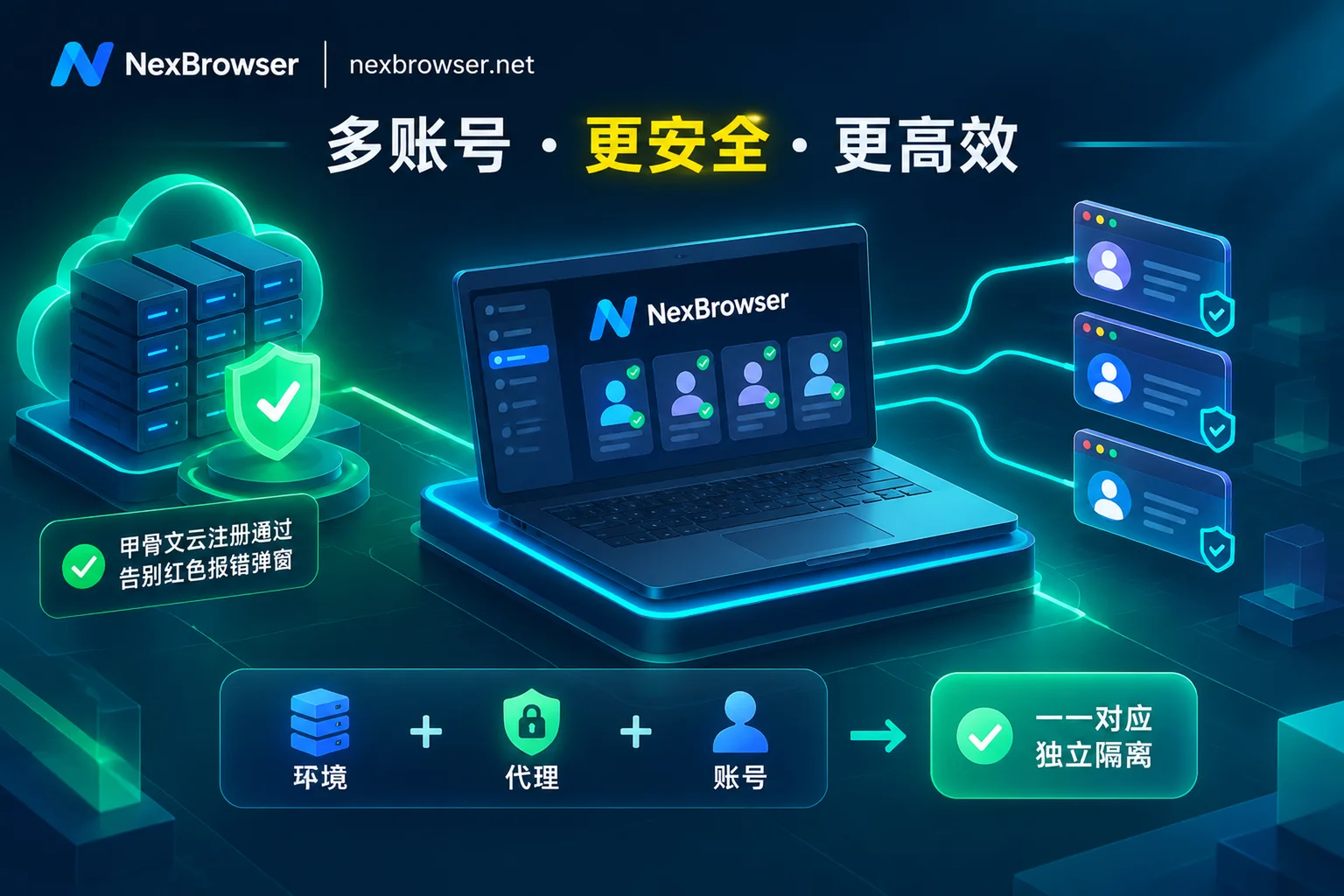
A detailed guide to applying for Oracle Cloud Free Tier in 2026, deeply analyzing the risk control mechanisms behind the credit card verification error (ABC error), and sharing how to use NexBrowser fingerprint browser to build clean isolated environments for efficient cloud resource application and overseas social media matrix multi-account management.
Team Collaboration Isn’t Just About Permissions: Say Goodbye to 'Password Docs' and Manual Alignment, Build a NexBrowser Automated Workflow
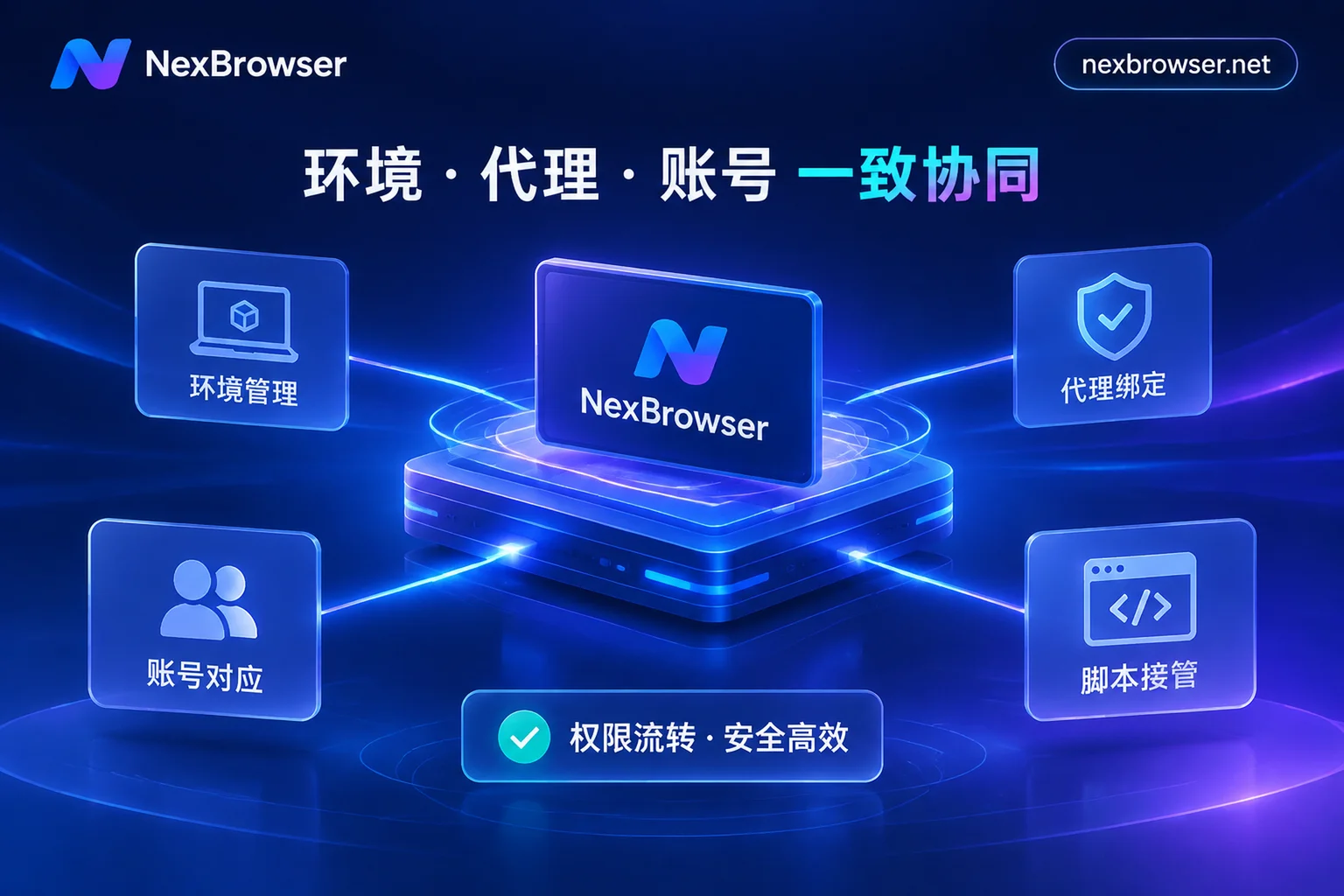
Many teams limit collaboration to 'assigning permissions', but true collaboration eliminates the connection loss between environments and people. NexBrowser frees team efficiency from trivial manual operations through encrypted environment sharing, AI Agent assistance, and automated API integration, achieving a paradigm shift from account management to business efficiency.
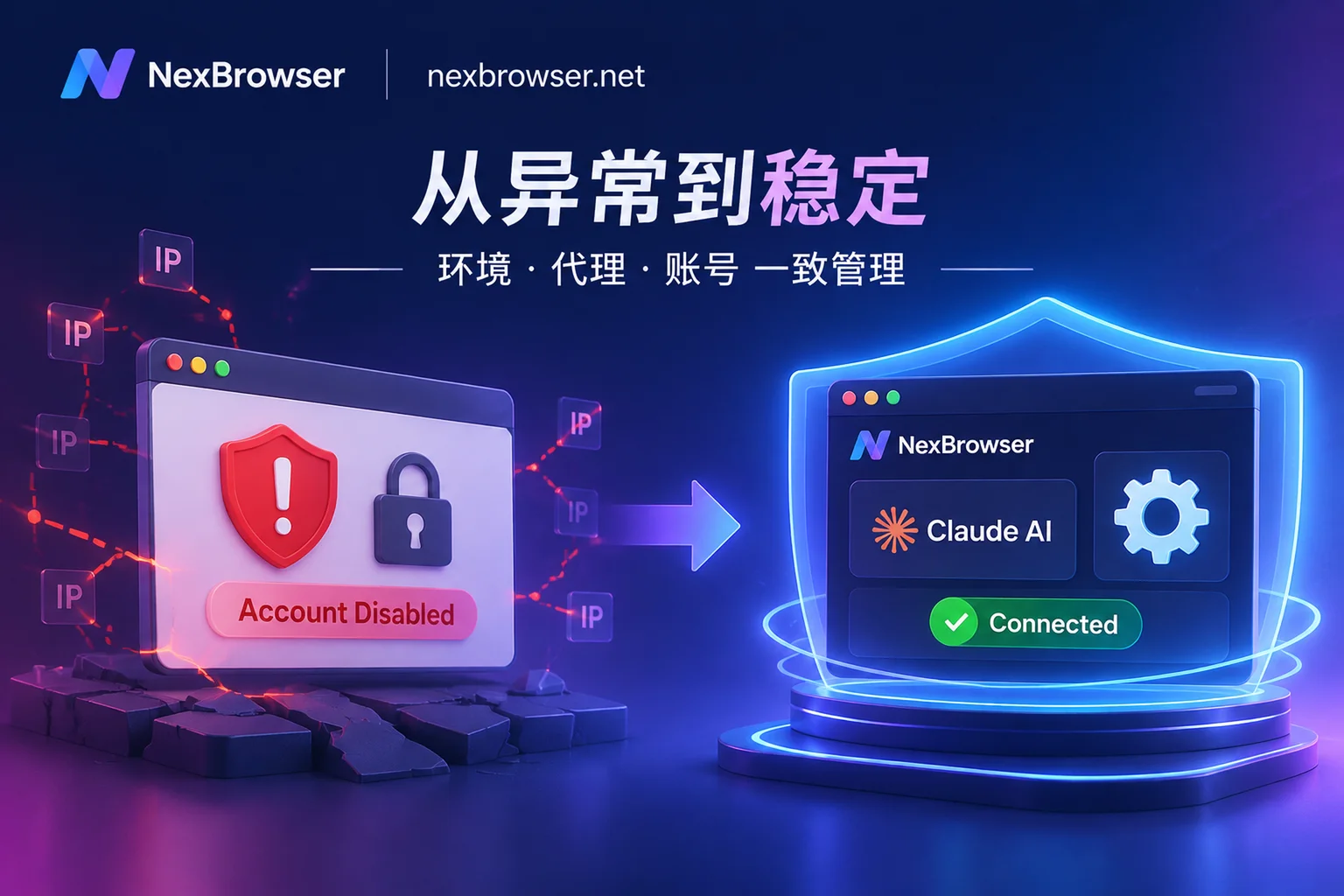
Everyone Uses Claude, So Why Does Your Account Get Banned So Easily?
Analyzing the core triggers of Claude's risk control upgrades in 2026, breaking down the four major ban risks from IP hopping, browser fingerprint inconsistencies, multi-person sharing, to AI browser automation overreach, and providing practical solutions for stable ban prevention and secure automation with the NexBrowser fingerprint browser workspace.
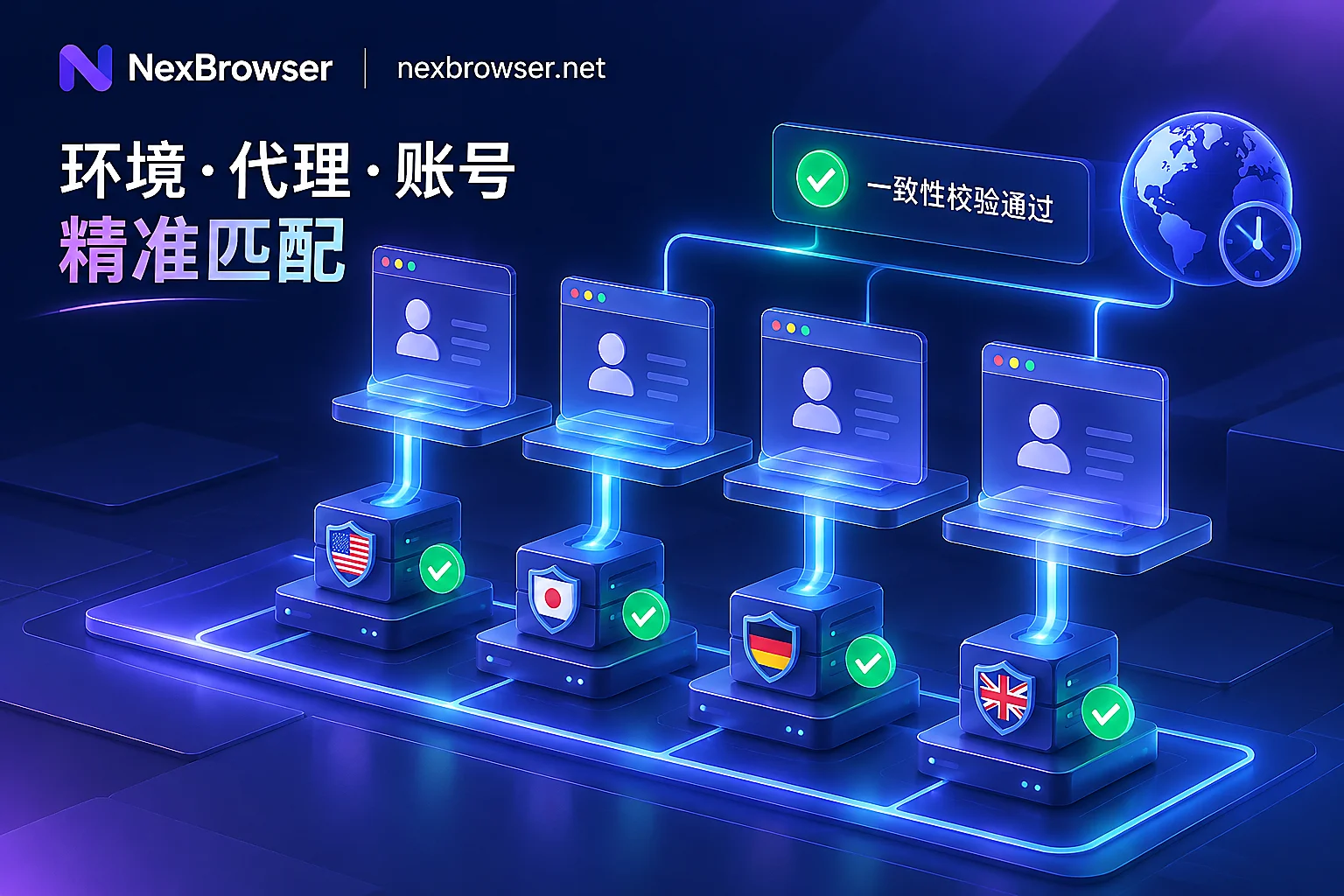
How to Bind a Proxy IP to a Browser Without Pitfalls: A Practical Guide from Pre-launch Checks and Parameter Alignment to Batch API Scheduling
Many multi-account teams buy dedicated residential proxies but still trigger platform risk controls due to proxy failures causing direct connections, misaligned WebRTC and timezone parameters, or mistakenly clearing cache when changing proxies. This article breaks down the four high-frequency loopholes in proxy IP binding to browsers and provides a full-chain configuration solution from automatic alignment of single-environment parameters and pre-launch connectivity interception to batch import and dynamic binding via Local API.
