 NexBrowser指纹浏览器-官方博客Blog
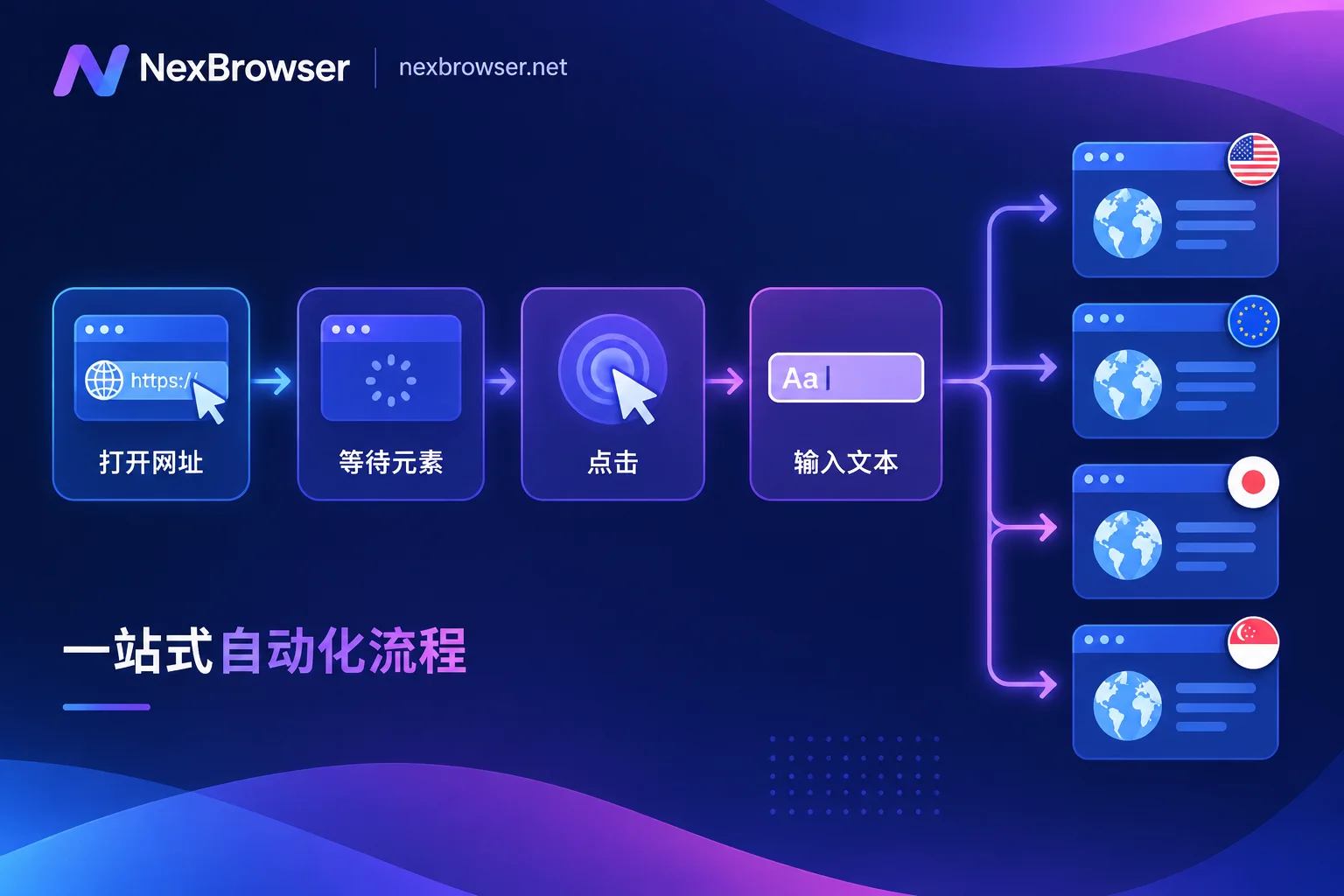
How to Build a No-Code RPA Workflow in an Antidetect Browser: From Environment Readiness to Batch Distribution
The order for building a no-code RPA workflow is fixed: first confirm environment login state and proxy availability, then use recording or drag-and-drop to build the main flow, stabilize selectors and waits, debug step by step in a single environment, and only then bind groups for batch execution. This article explains each step, how to confirm it actually works, and when to switch to scripts.
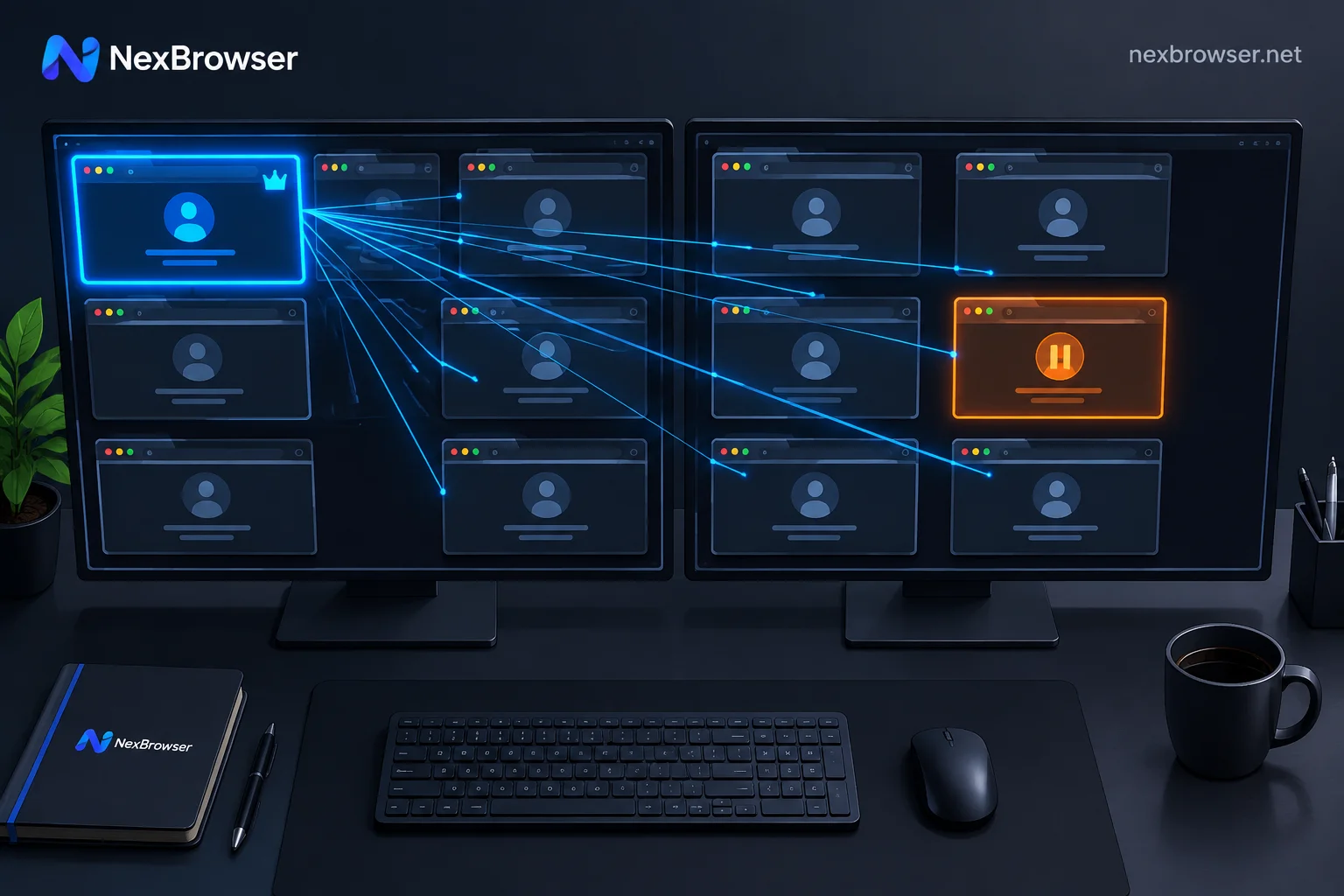
How to Operate Multiple Accounts with Window Sync Without Mistakes: Alignment, Baseline, and Circuit Breaker
Window sync is blind synchronization that copies mouse and keyboard events from the master window to controlled windows by coordinates and doesn't check page content. Misoperations almost always stem from the same issue: the element you see in the master window and the element at that coordinate in the controlled window are not the same. This guide explains, in hands-on order, window alignment, page baseline calibration, delay settings, how to fill differentiated data, how to set up a circuit breaker for exceptions, and when to stop and switch to RPA or script takeover.
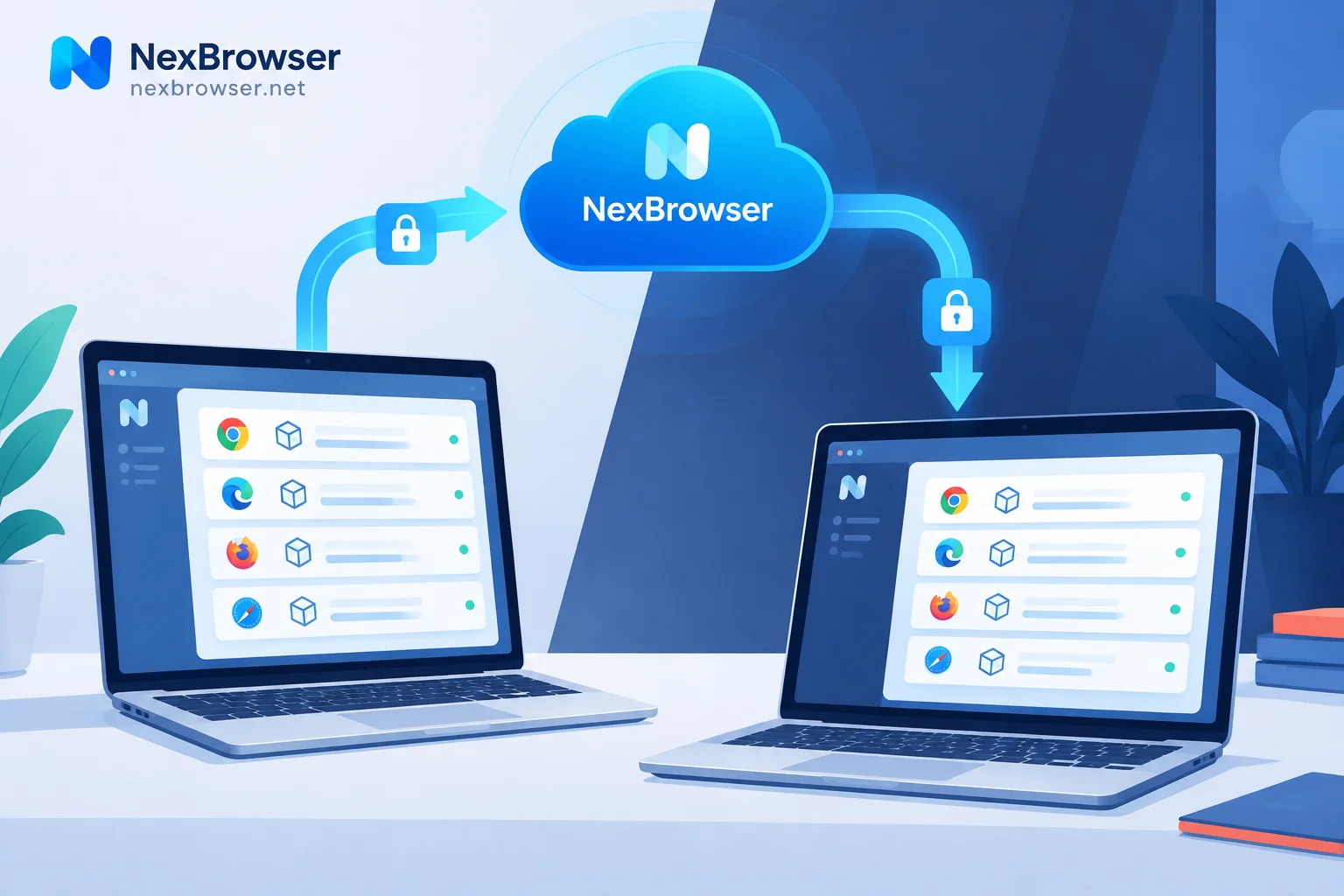
How to Restore Fingerprint Browser Environments After Switching Computers: Action Order Before and After Migration
Restoring fingerprint browser environments after switching computers relies on encrypted cloud sync, not manual copying of local cache directories. This article outlines the three things to do on the old computer, the restoration steps on the new computer, and the order for verifying proxies and exit IPs before and after opening environments, plus which phenomena (like re-verification or lost offline extensions) are normal and which two actions will actually overwrite your data.
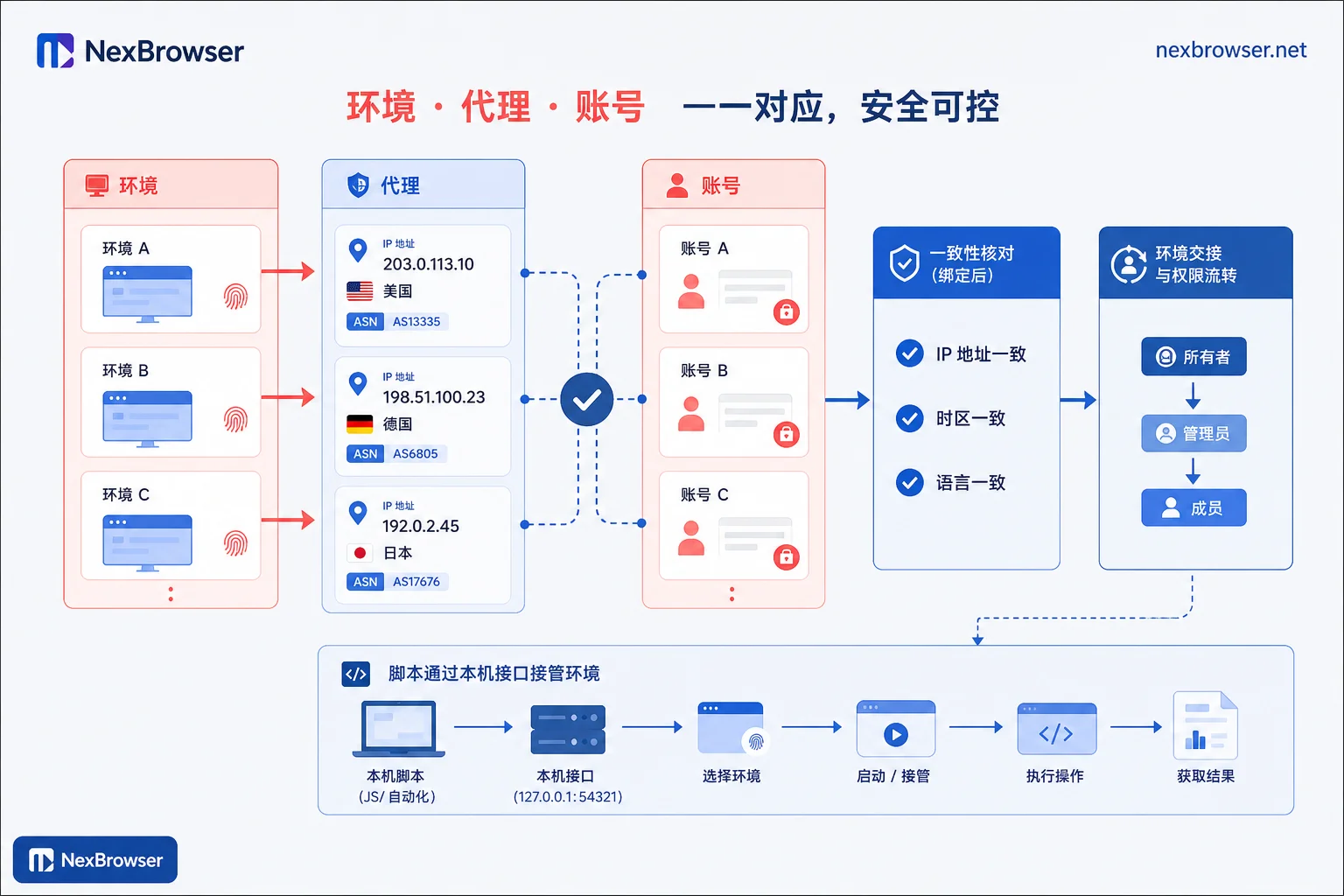
After Binding a Proxy, How to Confirm the Exit Location Matches Timezone and Language: A Three-Layer Verification Sequence
After binding a proxy, don't log in directly—run a three-layer verification (network exit, leaks, browser JS timezone and language) to catch mismatches and know how to fix them.
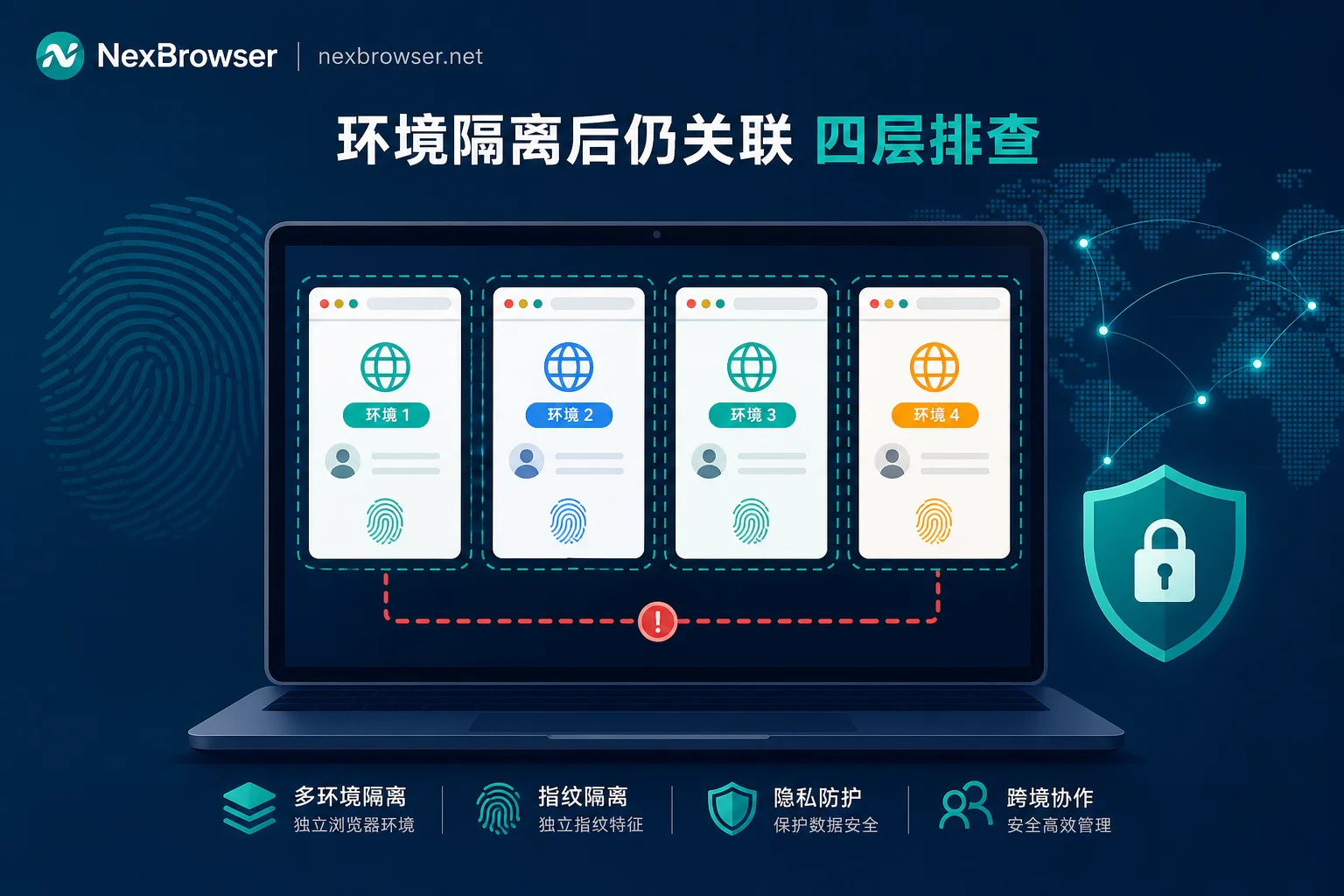
Still Getting Account Associations After Browser Environment Isolation? Troubleshoot in Four Layers
Environment isolation ensures runtime container independence, but account associations often occur at network egress, proxy quality, fingerprint logic, and business metadata. This article provides a step-by-step troubleshooting order from low to high cost, including methods for checking WebRTC and DNS leaks, proxy C-class subnet and reputation, UA and WebGL conflicts, timezone and language consistency, and reuse of payment and verification channels.