 NexBrowser指纹浏览器-官方博客Blog
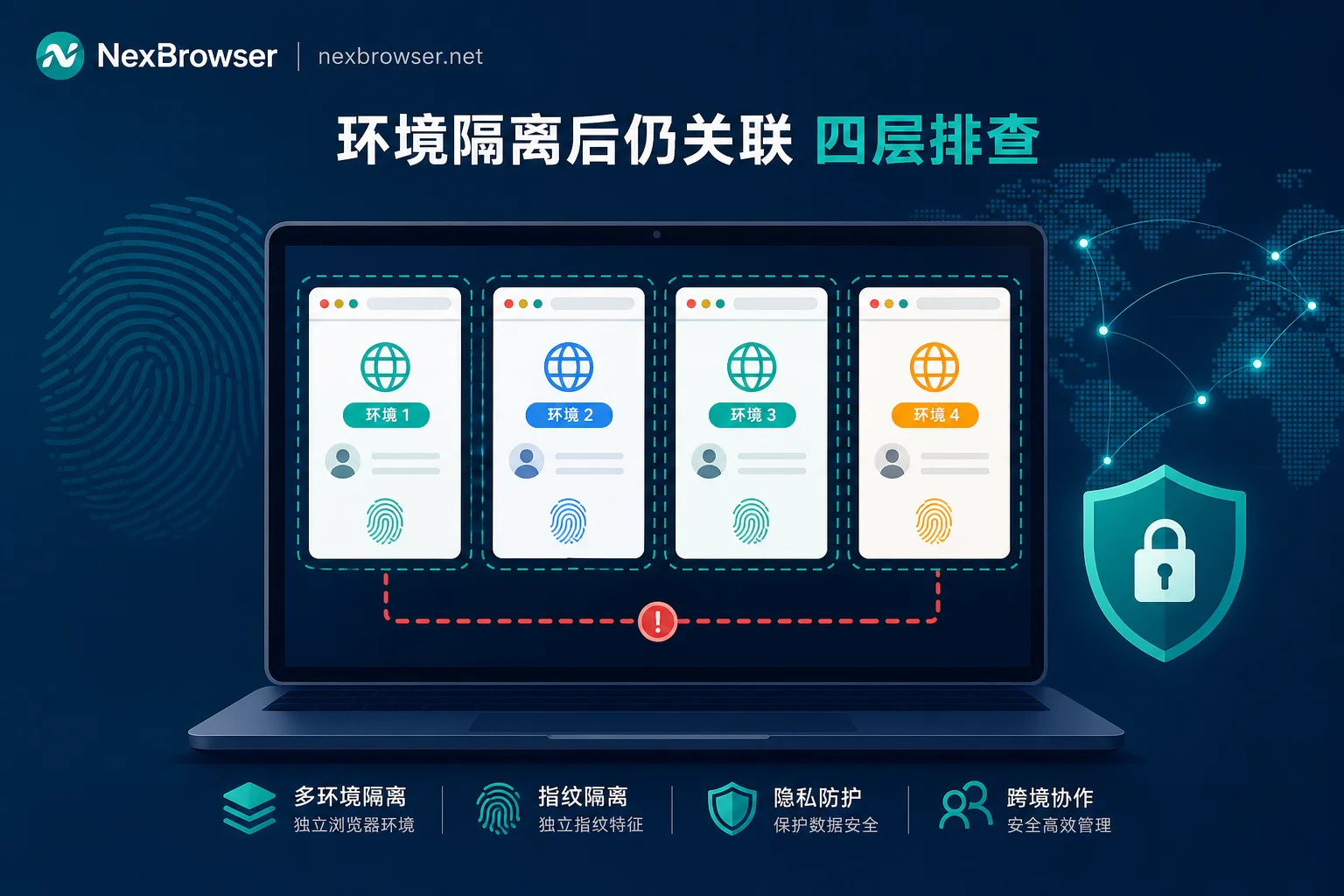
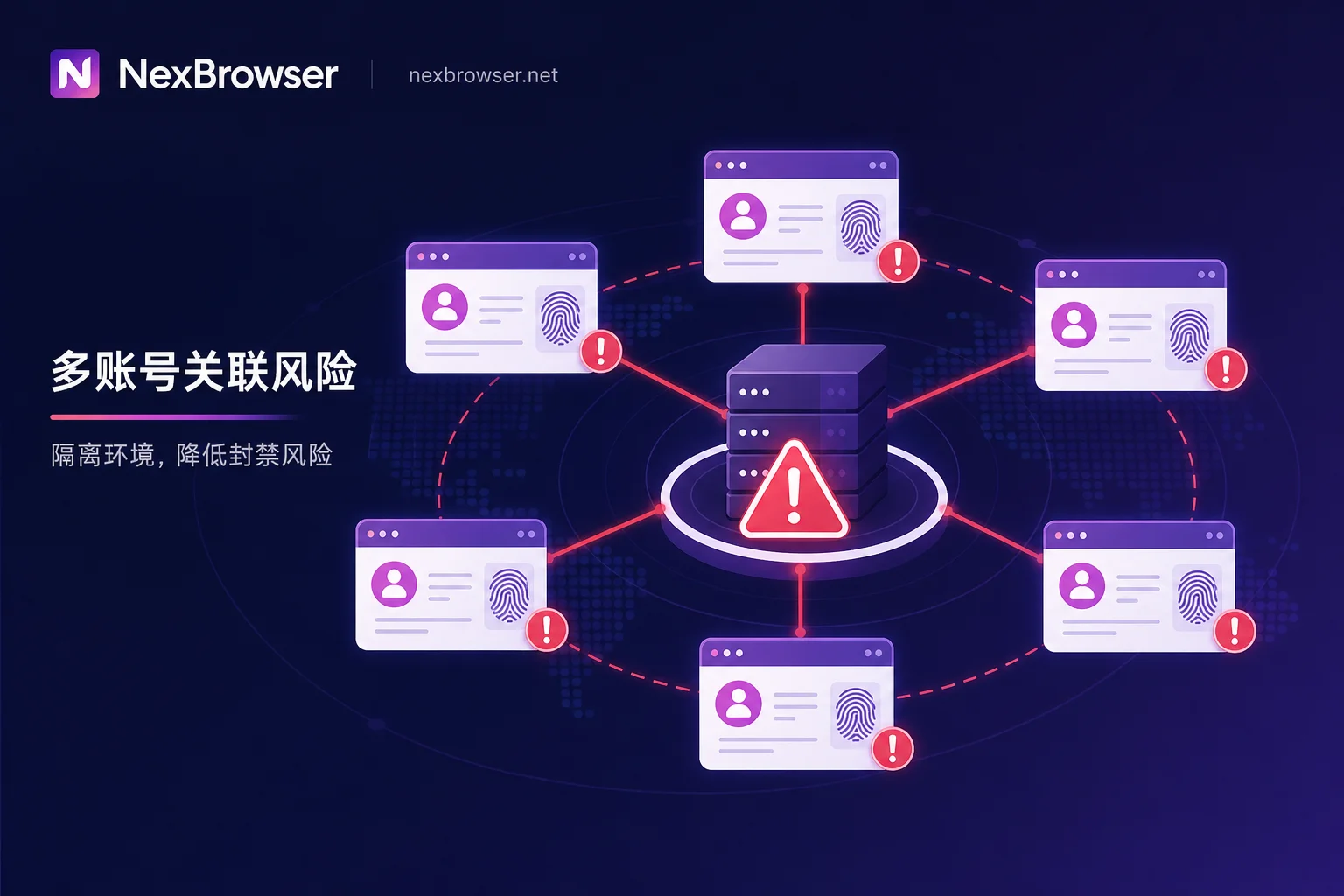
Still Getting Account Associations After Browser Environment Isolation? Troubleshoot in Four Layers
Environment isolation ensures runtime container independence, but account associations often occur at network egress, proxy quality, fingerprint logic, and business metadata. This article provides a step-by-step troubleshooting order from low to high cost, including methods for checking WebRTC and DNS leaks, proxy C-class subnet and reputation, UA and WebGL conflicts, timezone and language consistency, and reuse of payment and verification channels.
Claude Account Anti-Ban Multi-Environment Operations Configuration and Verification Response Guide
A practical guide to preventing Claude account bans by isolating environments, using static residential IPs, and responding correctly to identity verification triggers, based on a real case analysis.
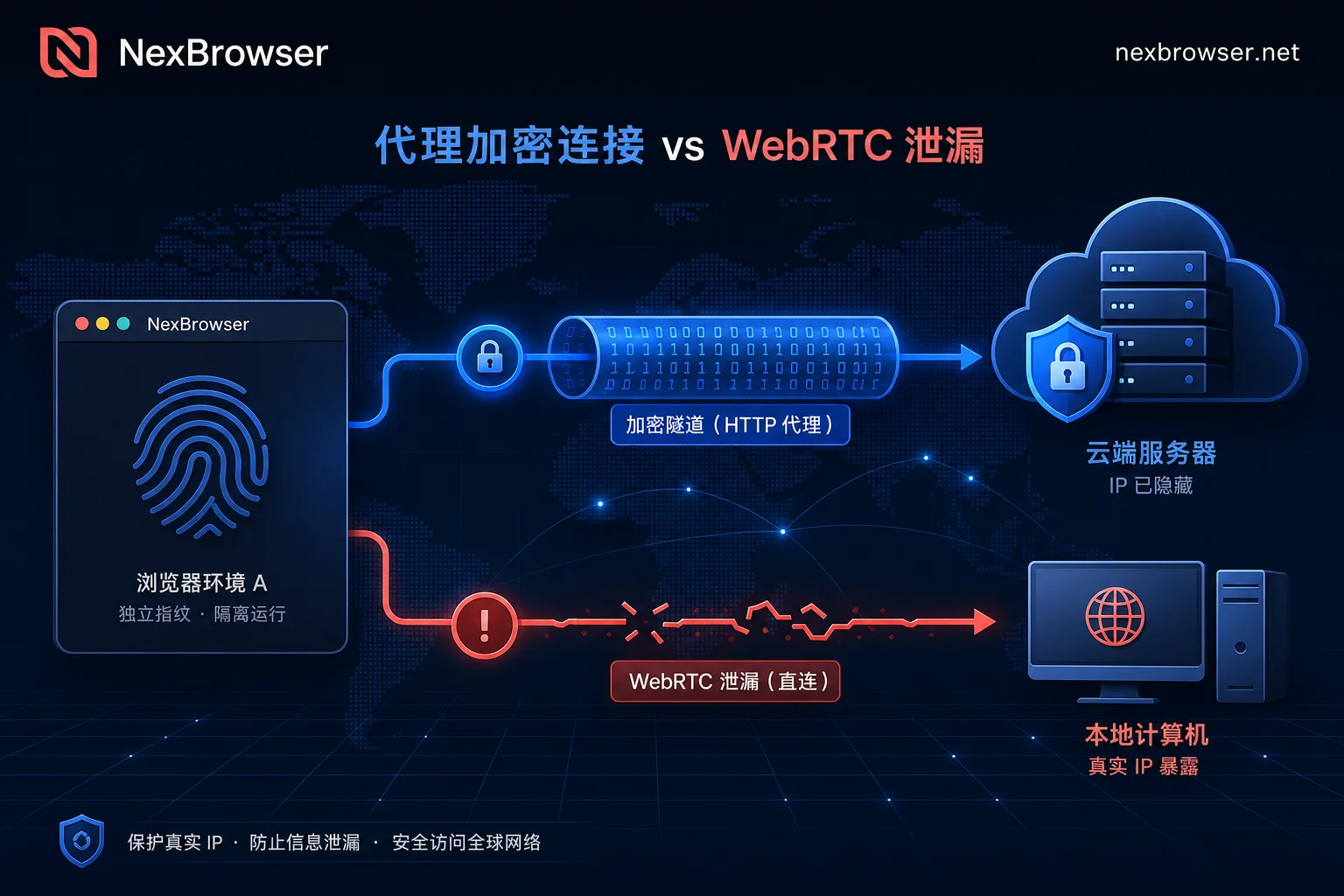
Bound Proxy but Exit IP Still Local? WebRTC and UDP Channel Troubleshooting Guide
This article explains why fingerprint browsers may show a local IP via WebRTC even when HTTP proxy is correctly set, covering SOCKS5 UDP association, Chrome enterprise policies, and VPN routing conflicts, with layered troubleshooting steps.
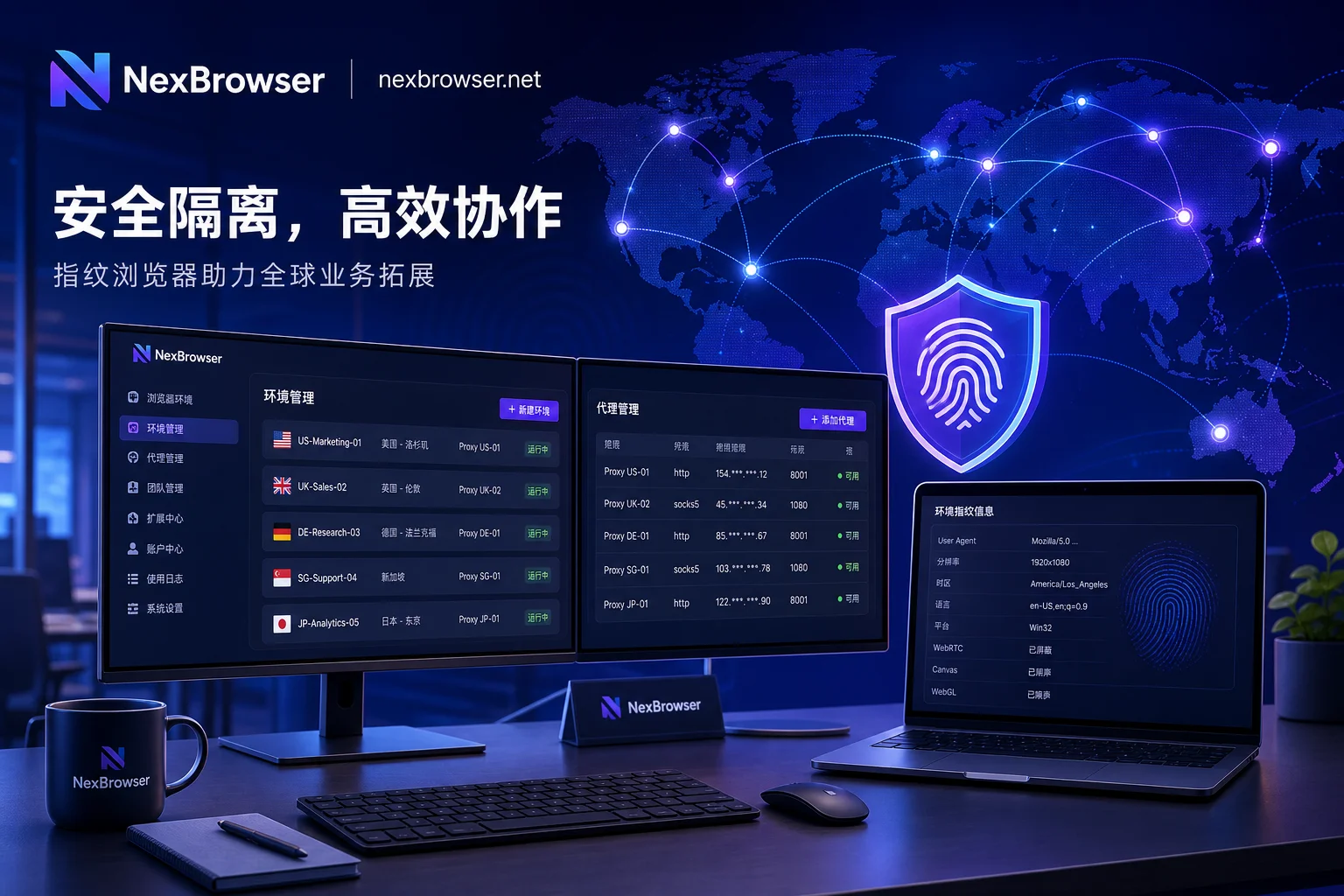
Combining Static Residential IPs and Dynamic Proxies in Fingerprint Browsers: Classify by Session Attributes
This guide explains how to combine static residential IPs and dynamic proxies in fingerprint browsers, based on whether switching exit IP mid-task would break a logged-in session.

How to Prevent Association in Multi-Store Shopify Management? Two Key Lines
Preventing association in multi-store Shopify management requires two parallel tracks: official permissions (authorization line) control who can access what, while isolated browser environments (login line) separate device and network traces.