 NexBrowser指纹浏览器-官方博客Blog
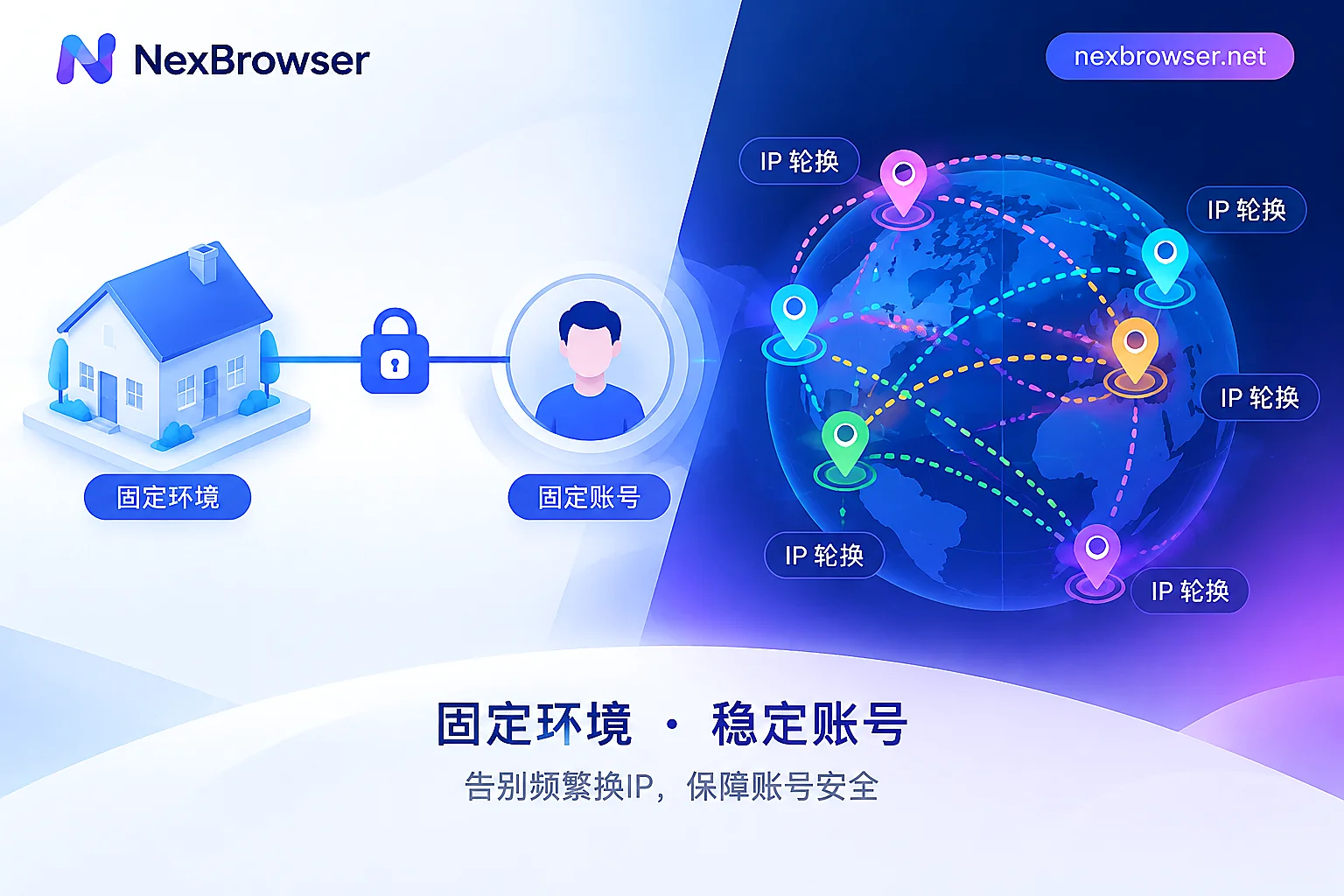
Static Residential IP vs Dynamic IP for Account Farming: Static for Long-Term Logins, Dynamic for Scraping Tasks
Long-term login, continuously operated accounts are better suited to static residential IPs (ISP IPs), while rotating dynamic IPs are better for scraping tasks that don't require staying logged in. This article explains the differences and how to choose by scenario, plus what to check before the first login after binding a proxy in a browser environment.
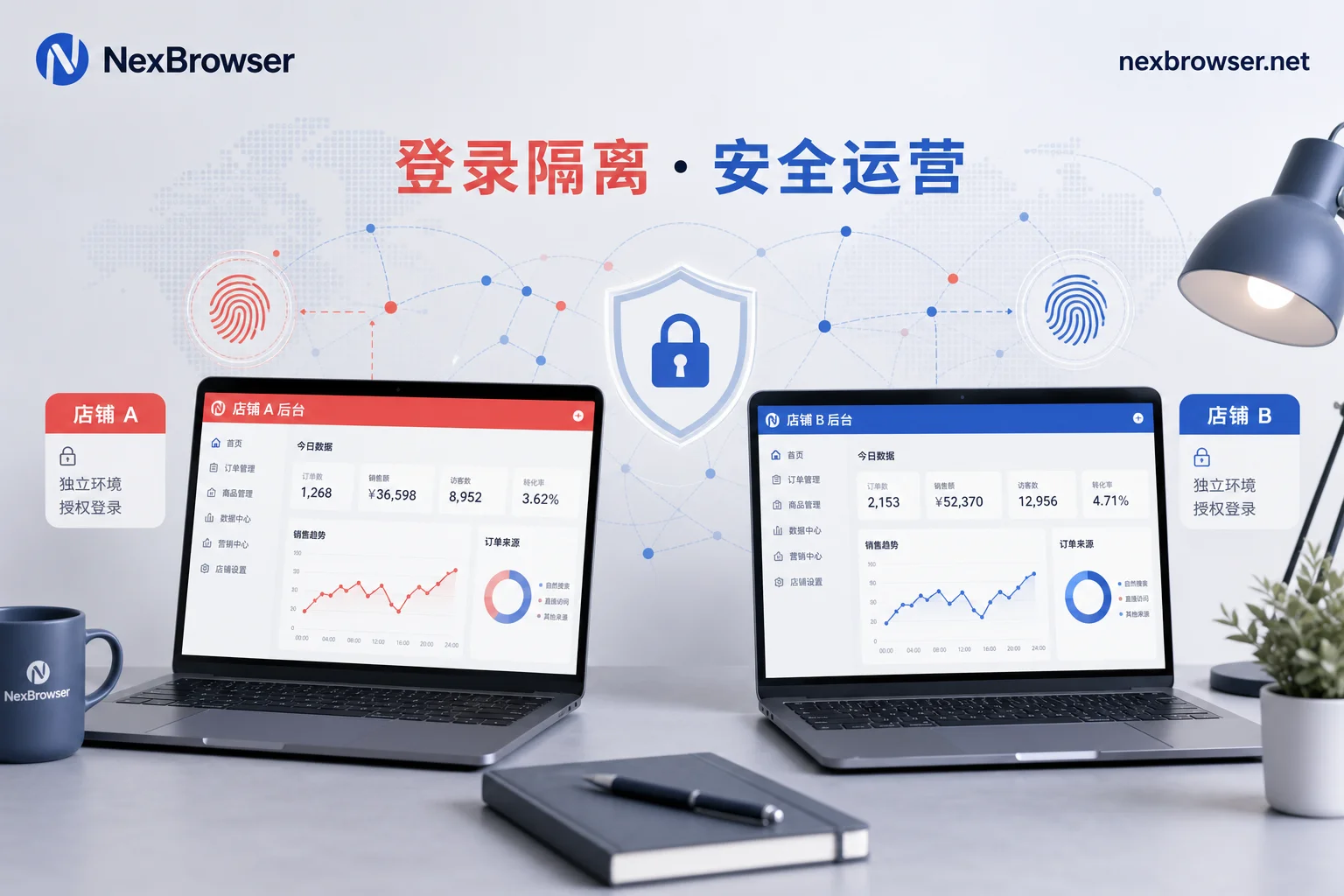
How to Prevent Association in Multi-Store Shopify Management? Two Key Lines
Preventing association in multi-store Shopify management requires two parallel tracks: official permissions (authorization line) control who can access what, while isolated browser environments (login line) separate device and network traces.
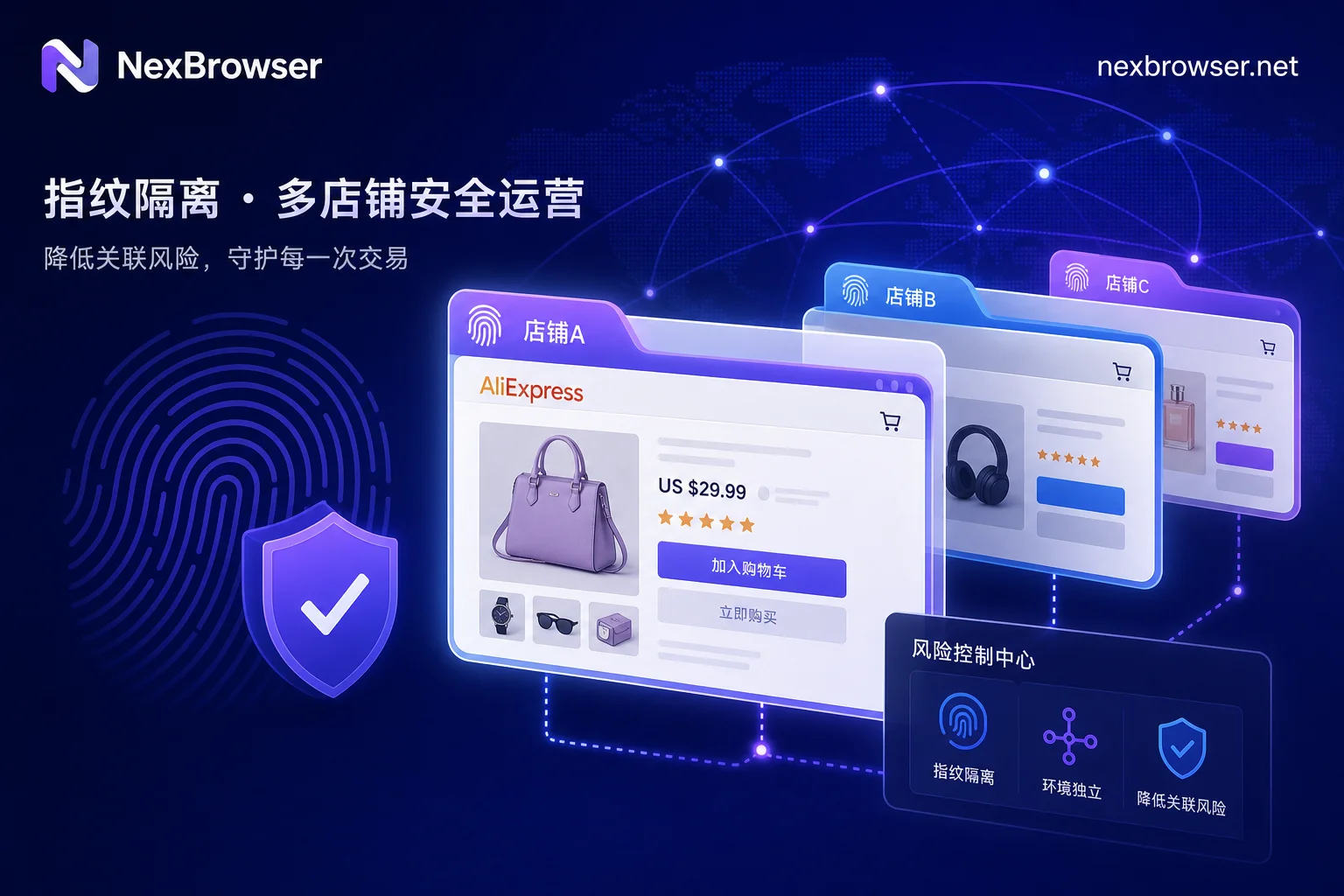
AliExpress Fingerprint Detection: Four Layers to Check
AliExpress fingerprint detection audits four layers—audio, rendering, network egress, and local login state—any inconsistency may trigger account association. This guide provides self-check methods and a checklist for each layer.
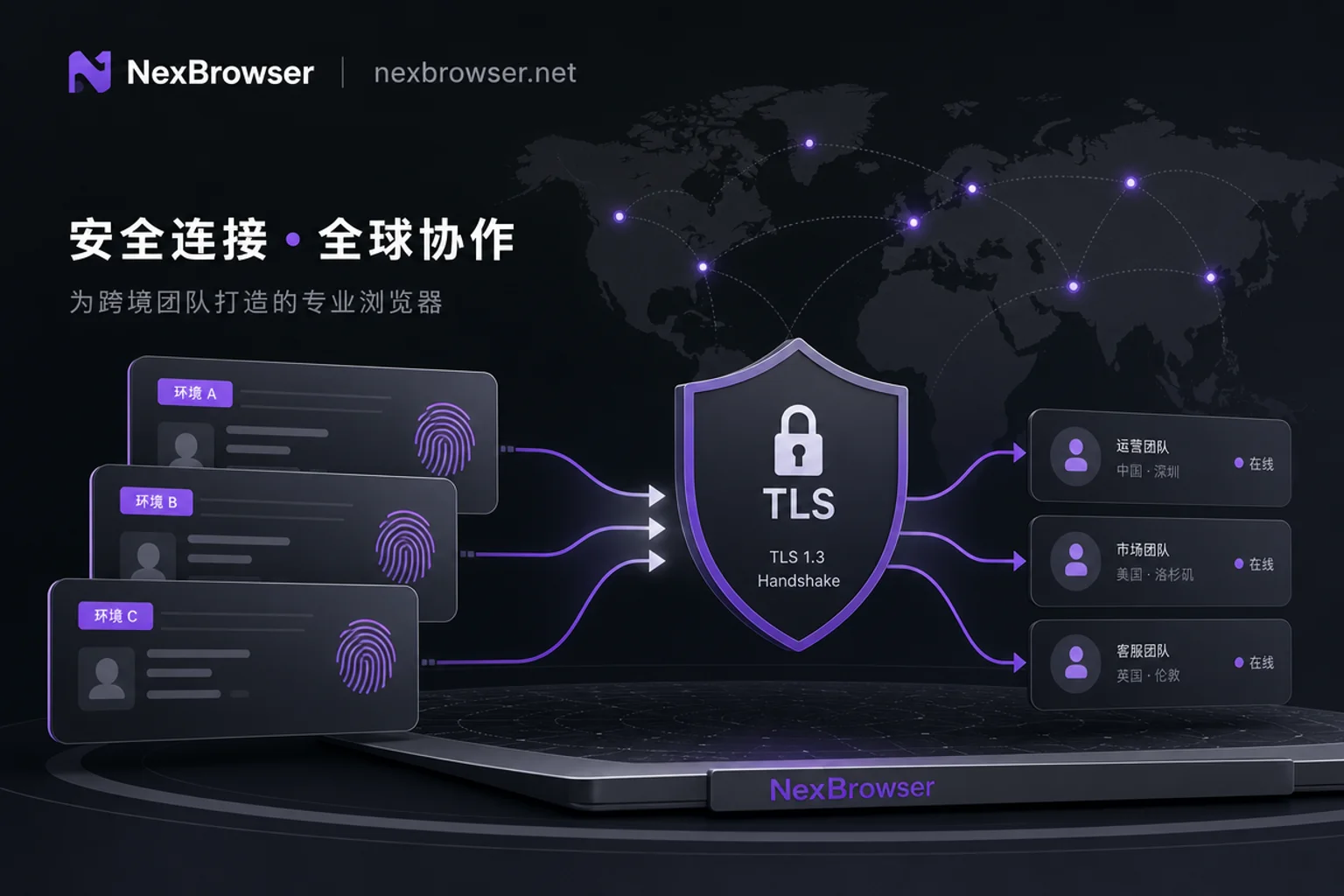
What Role Do TLS and JA3 Fingerprints Play in Cross-Border Risk Control? A Three-Layer Check
TLS and JA3 fingerprints enable risk control to assess traffic during the handshake, identifying automated traffic via JA3/JA4 signatures. This article details JA3 generation, differences from JA4, why changing IP or UA may not work, and provides a three-layer self-check.
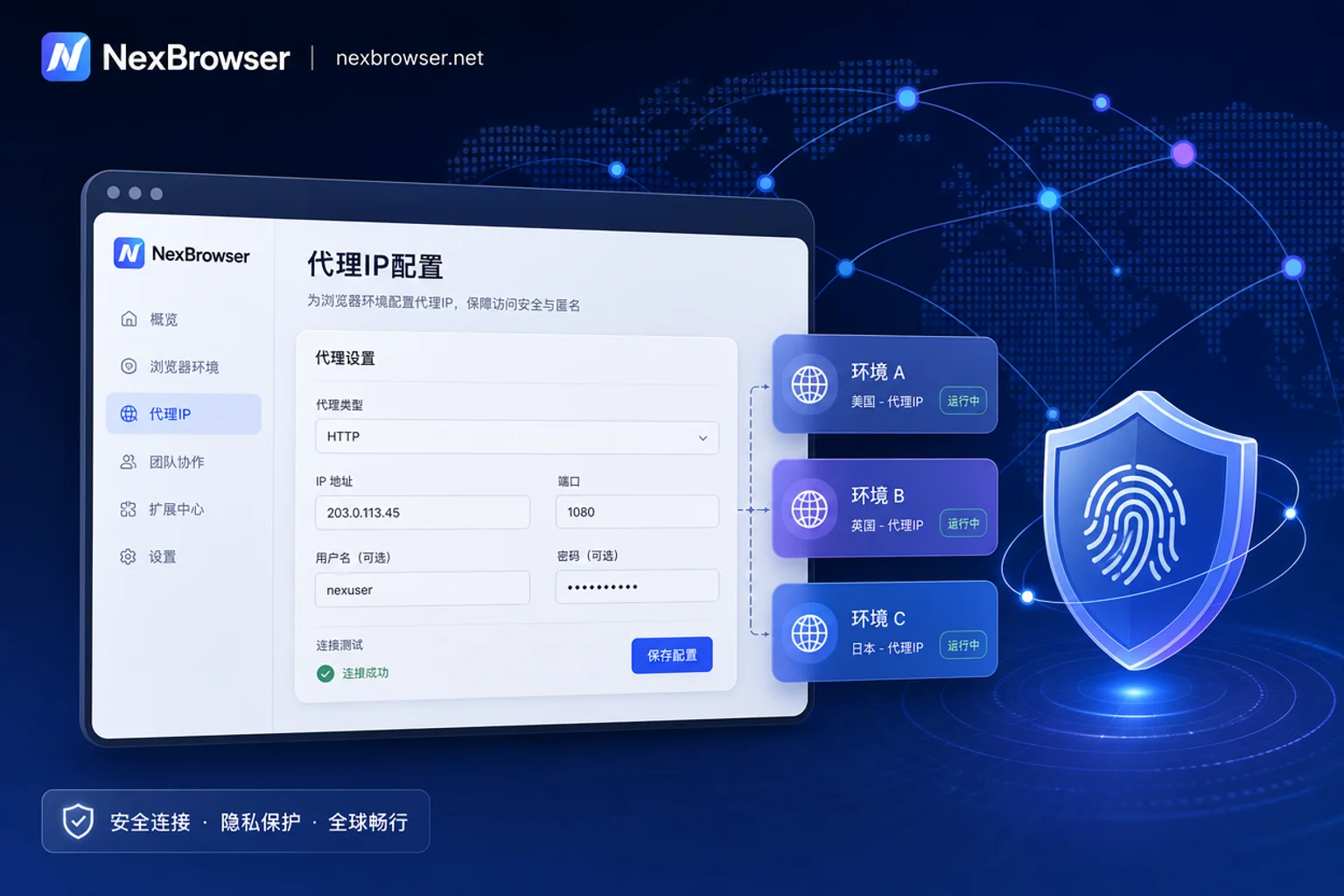
How to Configure a Proxy IP Bound to a Browser? Verify Outbound Consistency in 5 Steps
Learn to bind a proxy IP to your browser in five clear steps, verifying outbound consistency through IP checks and header validation.