 NexBrowser指纹浏览器-官方博客Blog
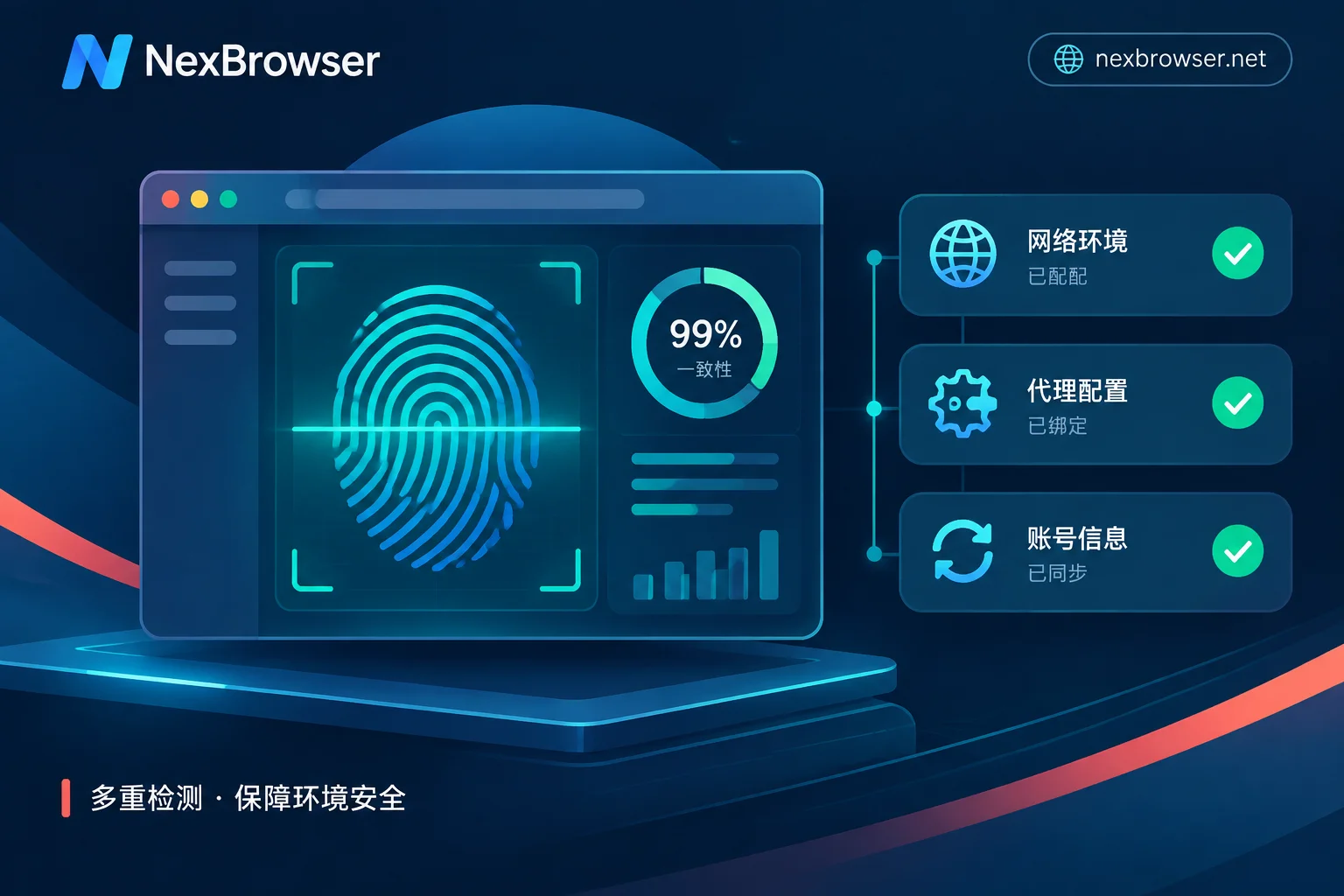
Browser Fingerprint Detection Upgraded Again in 2026: Test Whether Your Antidetect Browser Really Works
Fingerprint detection in 2026 focuses on overall consistency. This article covers three checkpoints—network alignment, parameter self-consistency, restart stability, and environment isolation—to explain how to test an antidetect browser using Pixelscan, BrowserScan, and CreepJS in your actual working environment, how to interpret results, and when to retest.

AliExpress Fingerprint Detection: Four Layers to Check
AliExpress fingerprint detection audits four layers—audio, rendering, network egress, and local login state—any inconsistency may trigger account association. This guide provides self-check methods and a checklist for each layer.
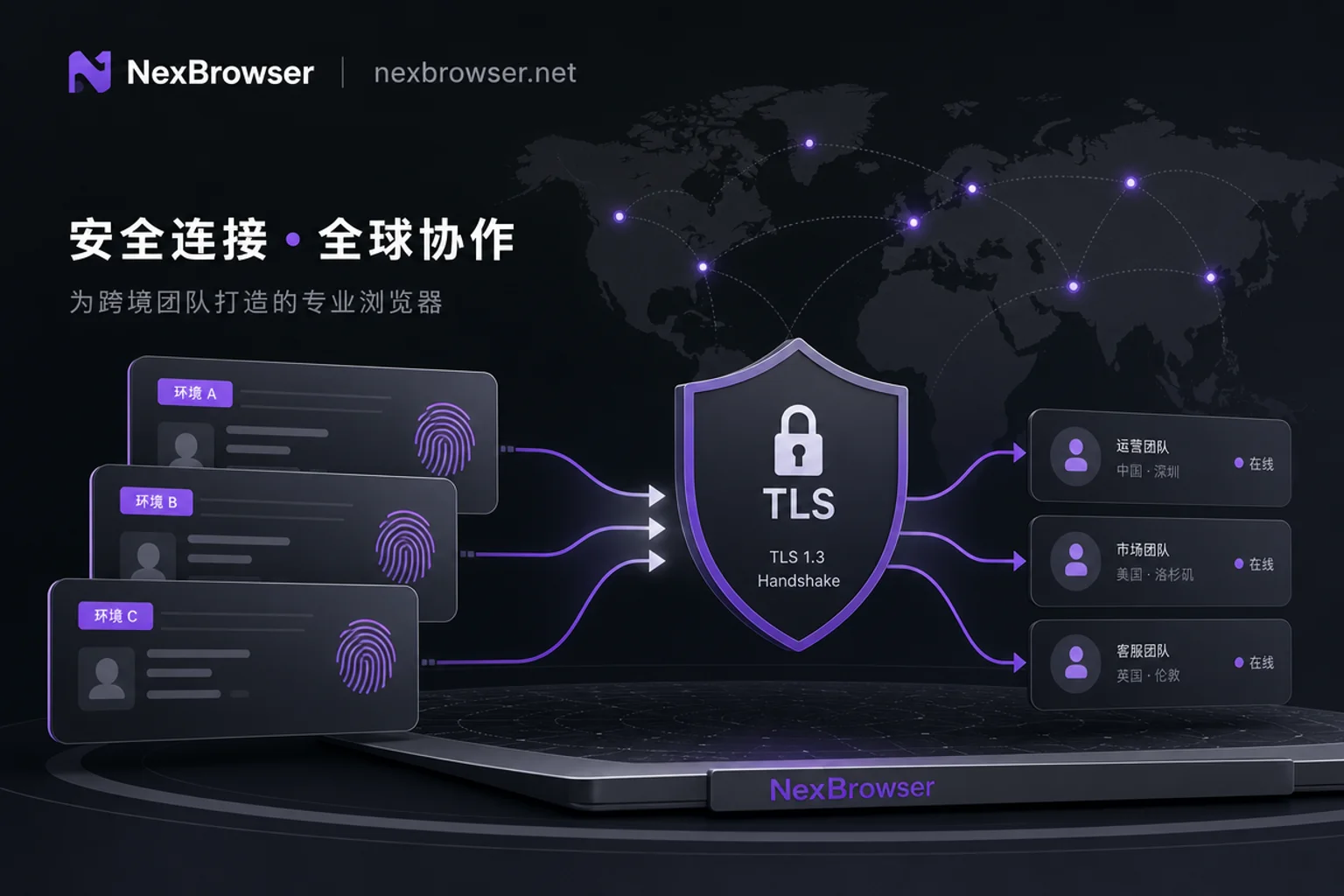
What Role Do TLS and JA3 Fingerprints Play in Cross-Border Risk Control? A Three-Layer Check
TLS and JA3 fingerprints enable risk control to assess traffic during the handshake, identifying automated traffic via JA3/JA4 signatures. This article details JA3 generation, differences from JA4, why changing IP or UA may not work, and provides a three-layer self-check.

How to Verify the Authenticity of a Fingerprint Browser Environment? What to Do When Fingerprint Detection Shows Anomalies?
Learn how to evaluate browser fingerprint authenticity using detection tools like BrowserScan and BrowserLeaks, and troubleshoot common anomalies.