 NexBrowser指纹浏览器-官方博客Blog
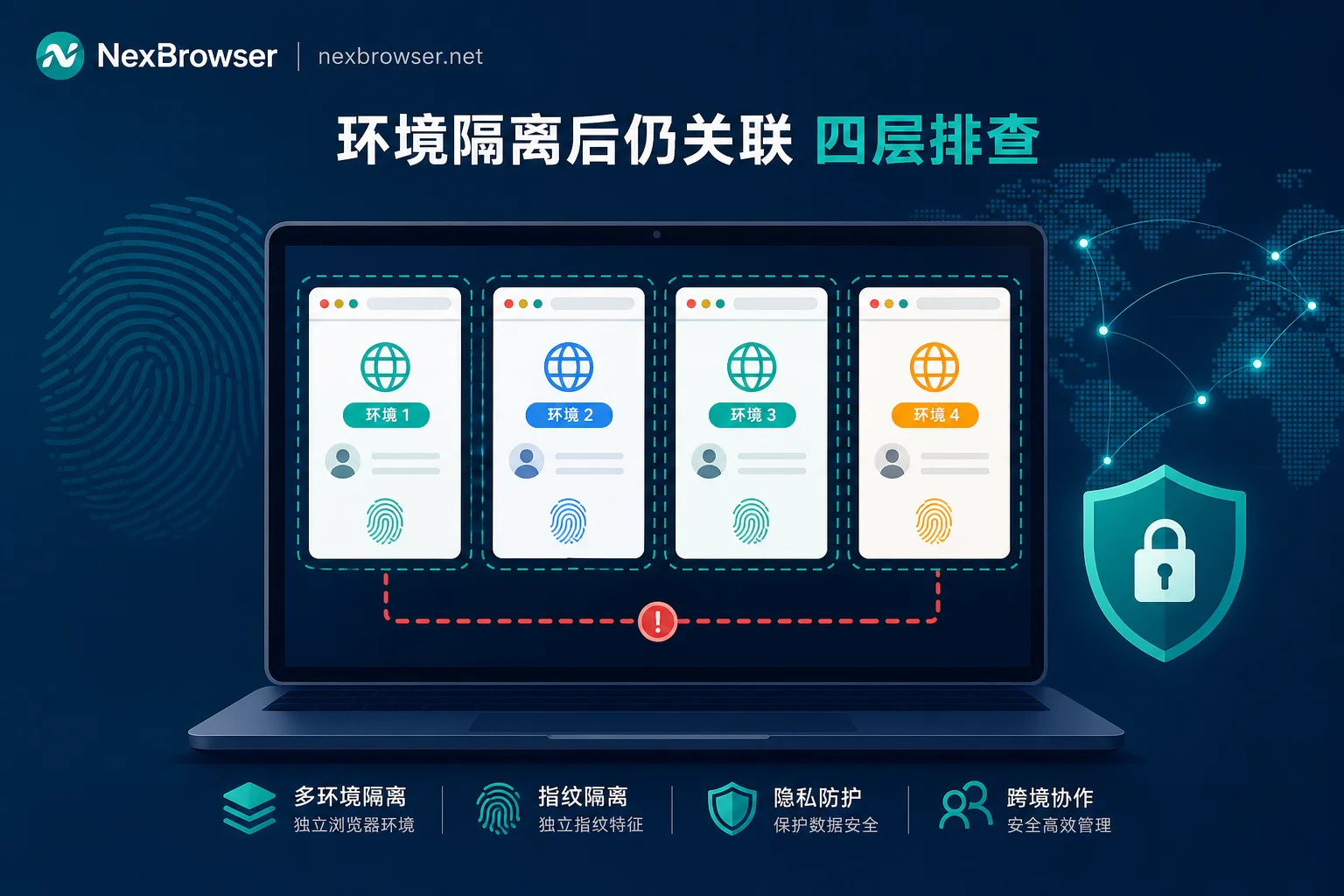
Still Getting Account Associations After Browser Environment Isolation? Troubleshoot in Four Layers
Environment isolation ensures runtime container independence, but account associations often occur at network egress, proxy quality, fingerprint logic, and business metadata. This article provides a step-by-step troubleshooting order from low to high cost, including methods for checking WebRTC and DNS leaks, proxy C-class subnet and reputation, UA and WebGL conflicts, timezone and language consistency, and reuse of payment and verification channels.
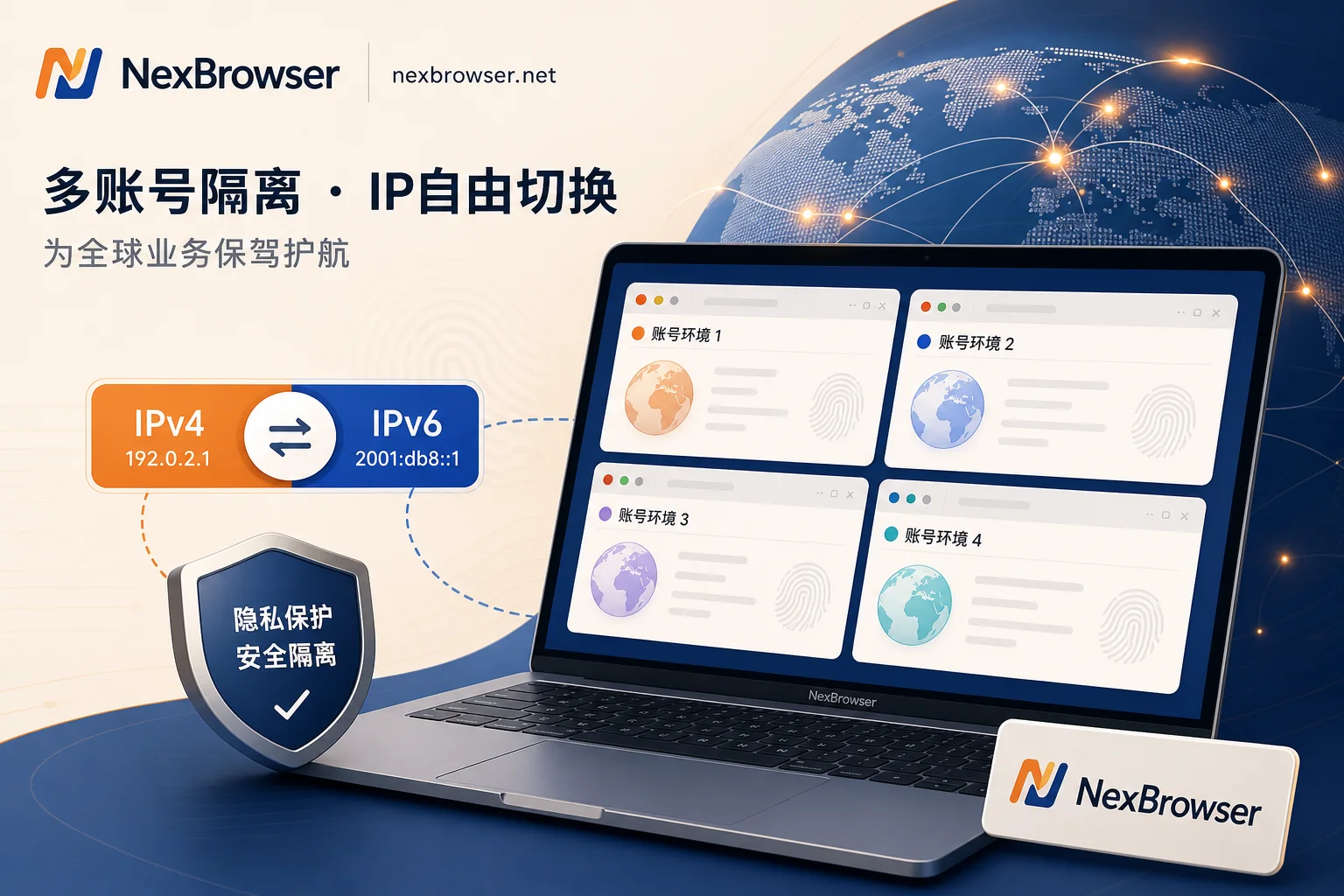
Is IPv6 Proxy Feasible for Cross-Border Multi-Account Isolation? Start with Three Failure Modes
IPv6 proxies offer low costs but face three failure modes—endpoint incompatibility, dual-stack fallback, and subnet concentration—making them suitable only for short-term tasks without reputation concerns.

AliExpress Fingerprint Detection: Four Layers to Check
AliExpress fingerprint detection audits four layers—audio, rendering, network egress, and local login state—any inconsistency may trigger account association. This guide provides self-check methods and a checklist for each layer.
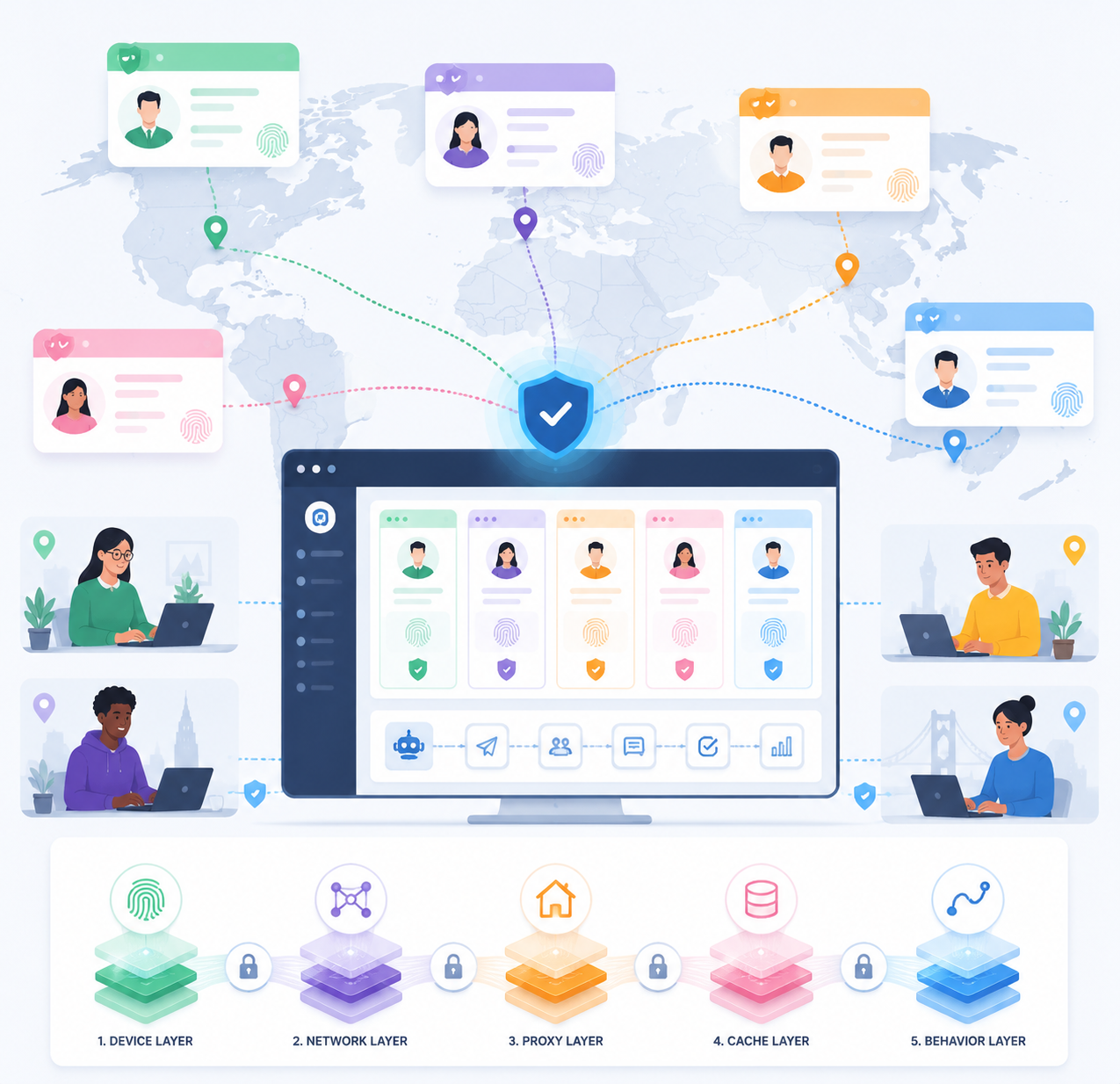
LinkedIn Multi-Account Security Management Guide
A practical guide to safely managing multiple LinkedIn accounts using fingerprint browsers, residential proxies, and isolated automation.
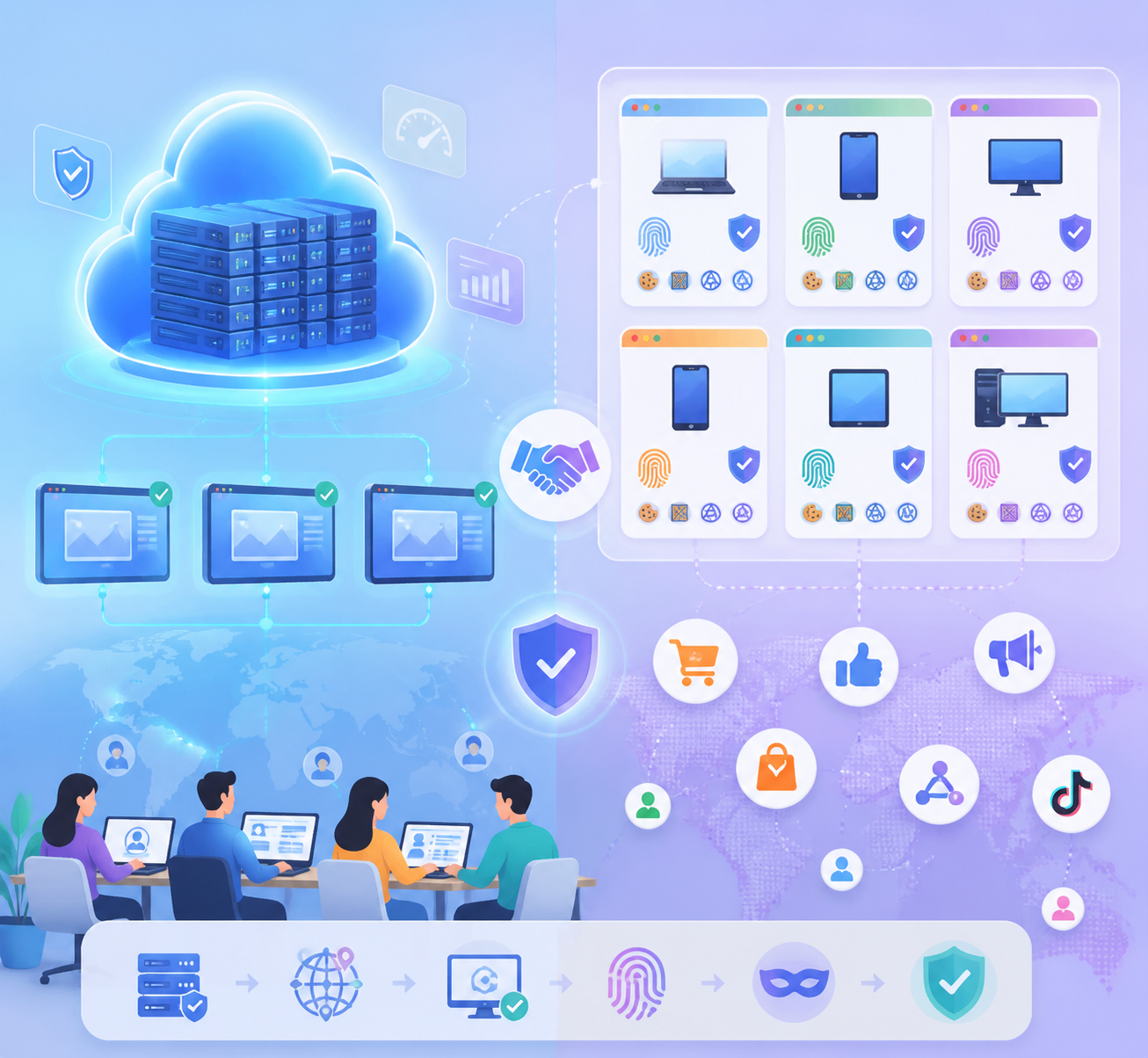
VPS and Fingerprint Browsers: A Guide to Multi-Account Operations
Understand the differences between VPS and fingerprint browsers, and how combining them can enhance multi-account management for cross-border ecommerce and social media marketing.