 NexBrowser指纹浏览器-官方博客Blog
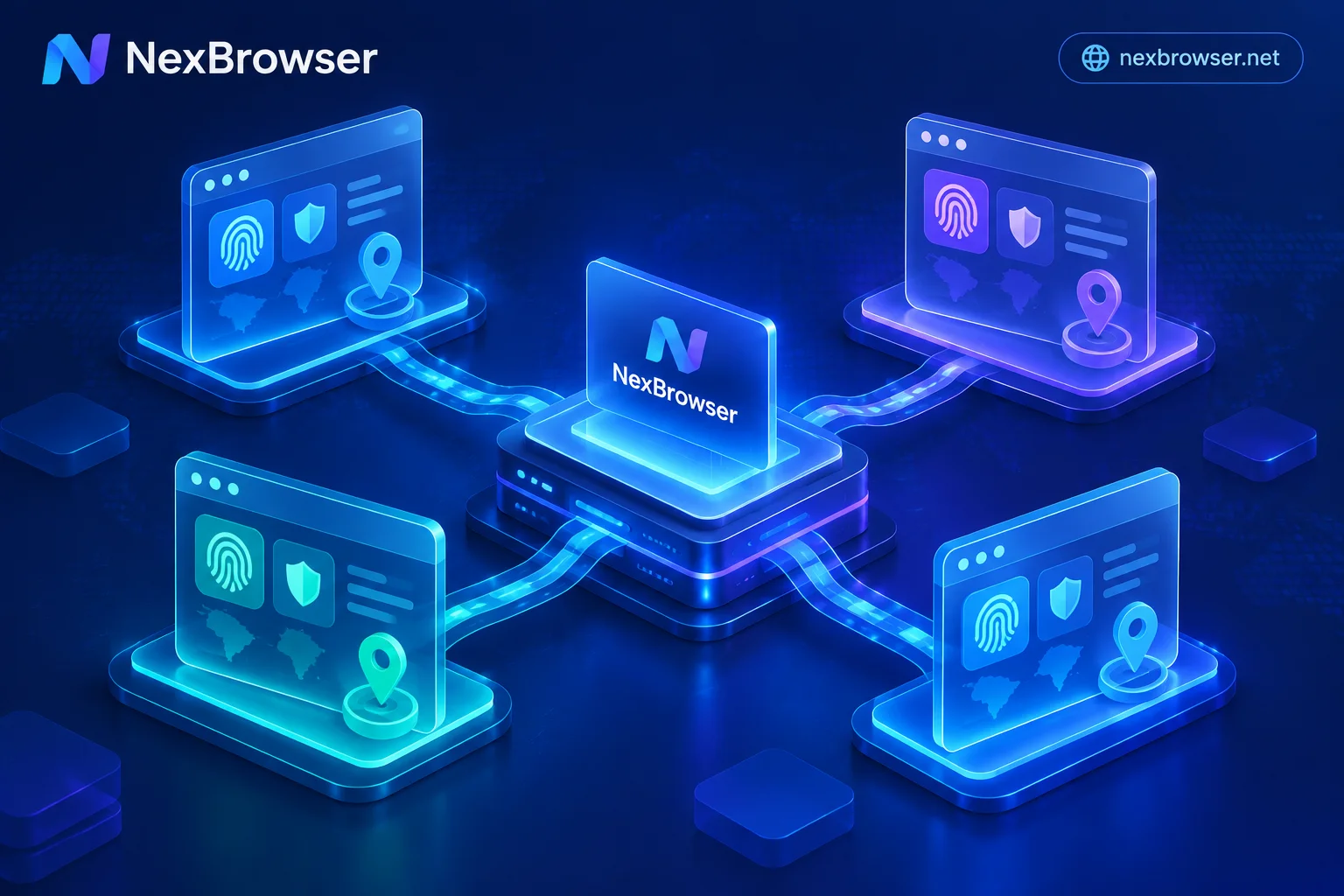
Anti-Detection Browser Selection Guide: Countering Platform 'Cascading Bans' with 4 Lines of Defense from Parameter Consistency to Daily Workflow
As mainstream platforms deploy device graphs and cascading ban mechanisms, simply randomizing fingerprints or switching IPs no longer ensures multi-account security. This article breaks down the core selection criteria for anti-detection browsers in 2026, covering fingerprint parameter consistency, proxy pre-check and session persistence, team password-free handover, and compliant automation integration to help you build a high-survival multi-account workstation.
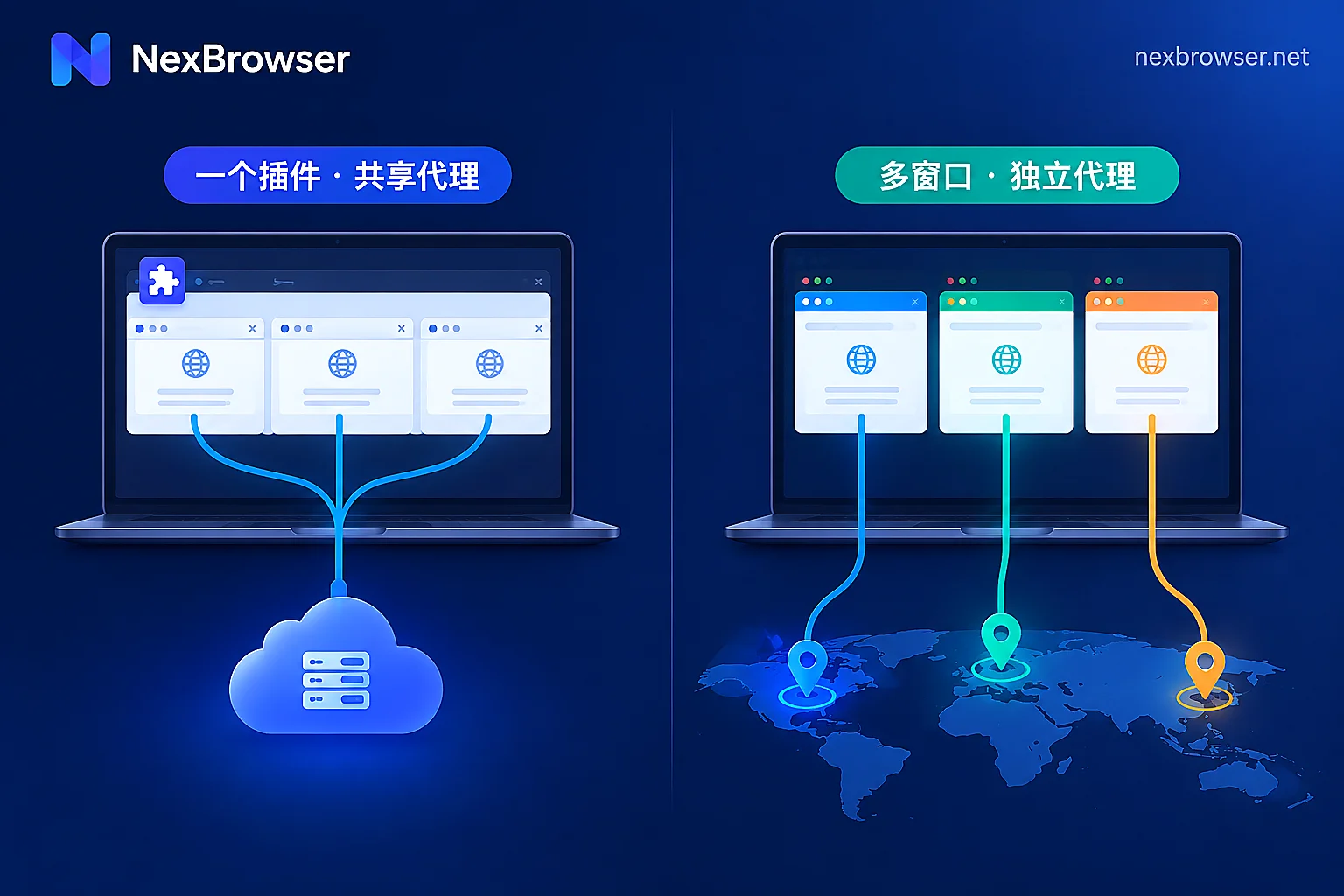
Browser Extension Proxy vs. Built-in App Proxy: Choose by How Many Accounts You Manage
The difference between extension proxies and built-in app proxies isn't which one "changes IPs better" but at which layer the proxy takes effect: extensions modify requests sent by the browser, while built-in proxies lock down the network exit when the environment starts—so one browser with occasional routing only needs an extension, but running multiple independent accounts on one machine calls for built-in proxies with per-environment exit verification.
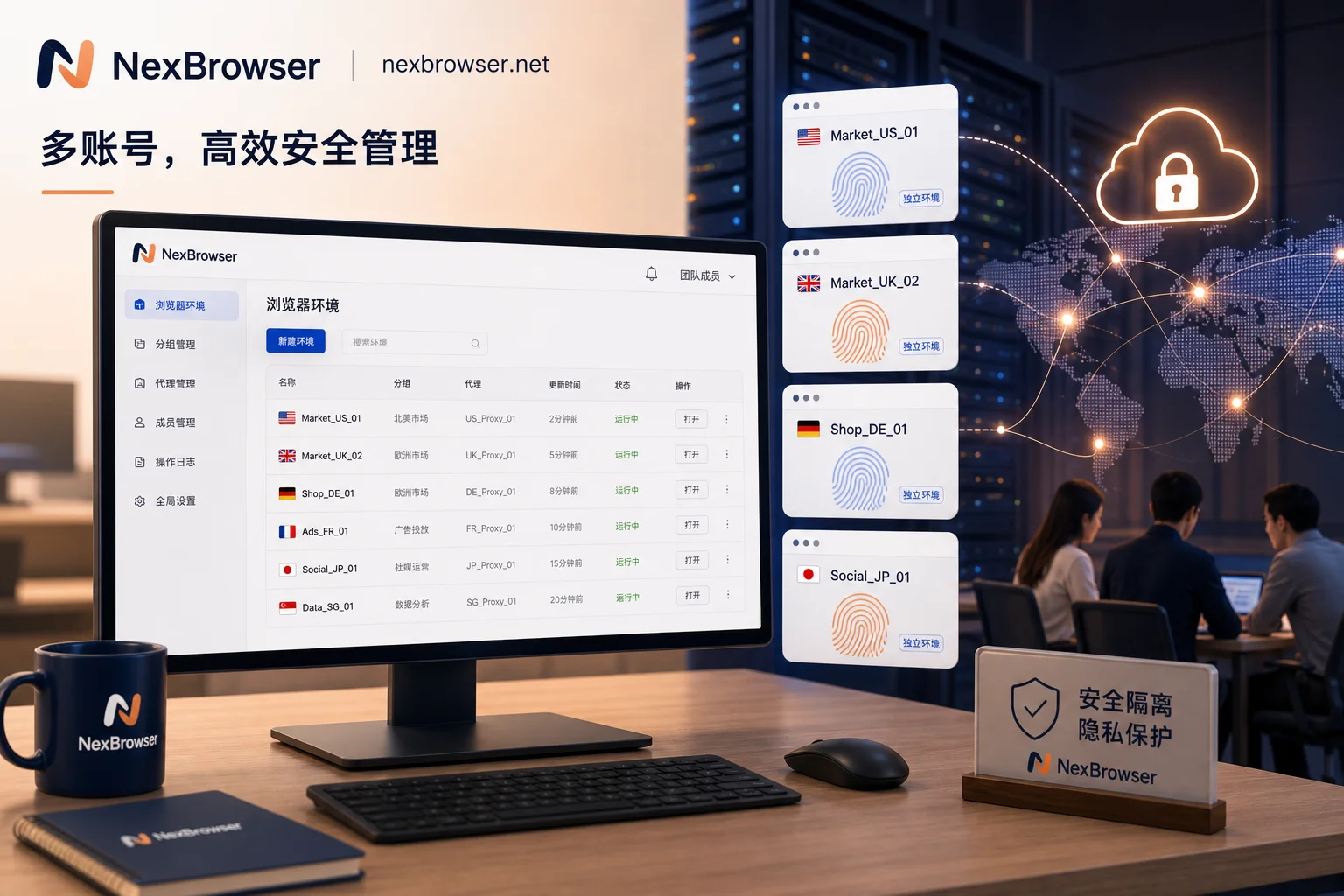
Self-Hosted VPS vs Professional Anti-Detection Browsers: A Cost-Effectiveness Comparison of Four Accounts
Compare self-hosted VPS and anti-detection browsers across four dimensions—isolation layer, per-instance overhead, scaling costs, and exposure surface—and offer selection advice based on account scale.
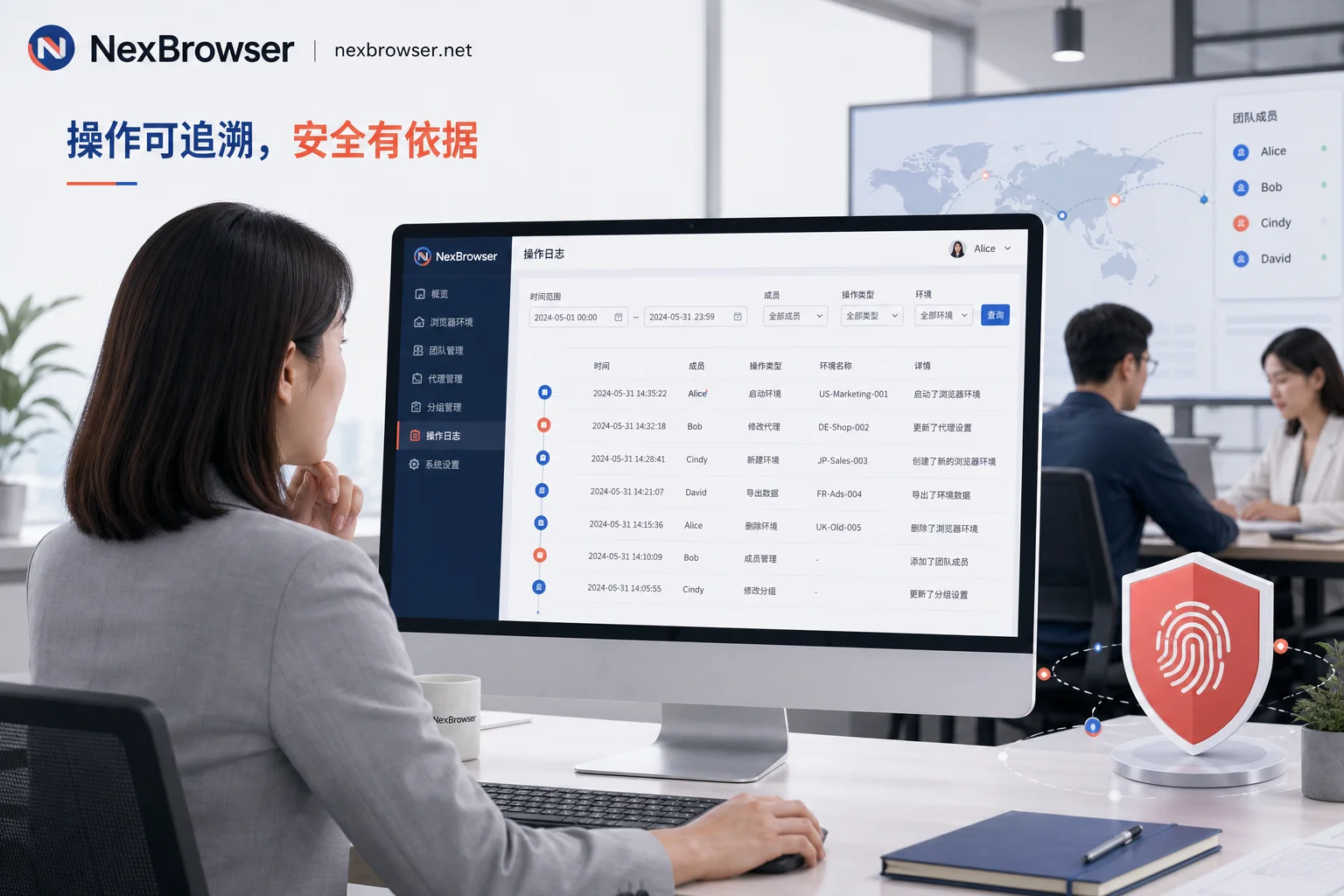
What Can the Log Audit Feature of a Multi-User Collaborative Anti-Detection Browser Find? Three Types of Records
The log audit feature of multi-user collaborative anti-detection browsers records three types of operations: environment lifecycle (window open/close), member and permission changes, and credential and proxy configuration modifications; it cannot see in-window page behavior. This article explains how to trace actions to individuals and steps.
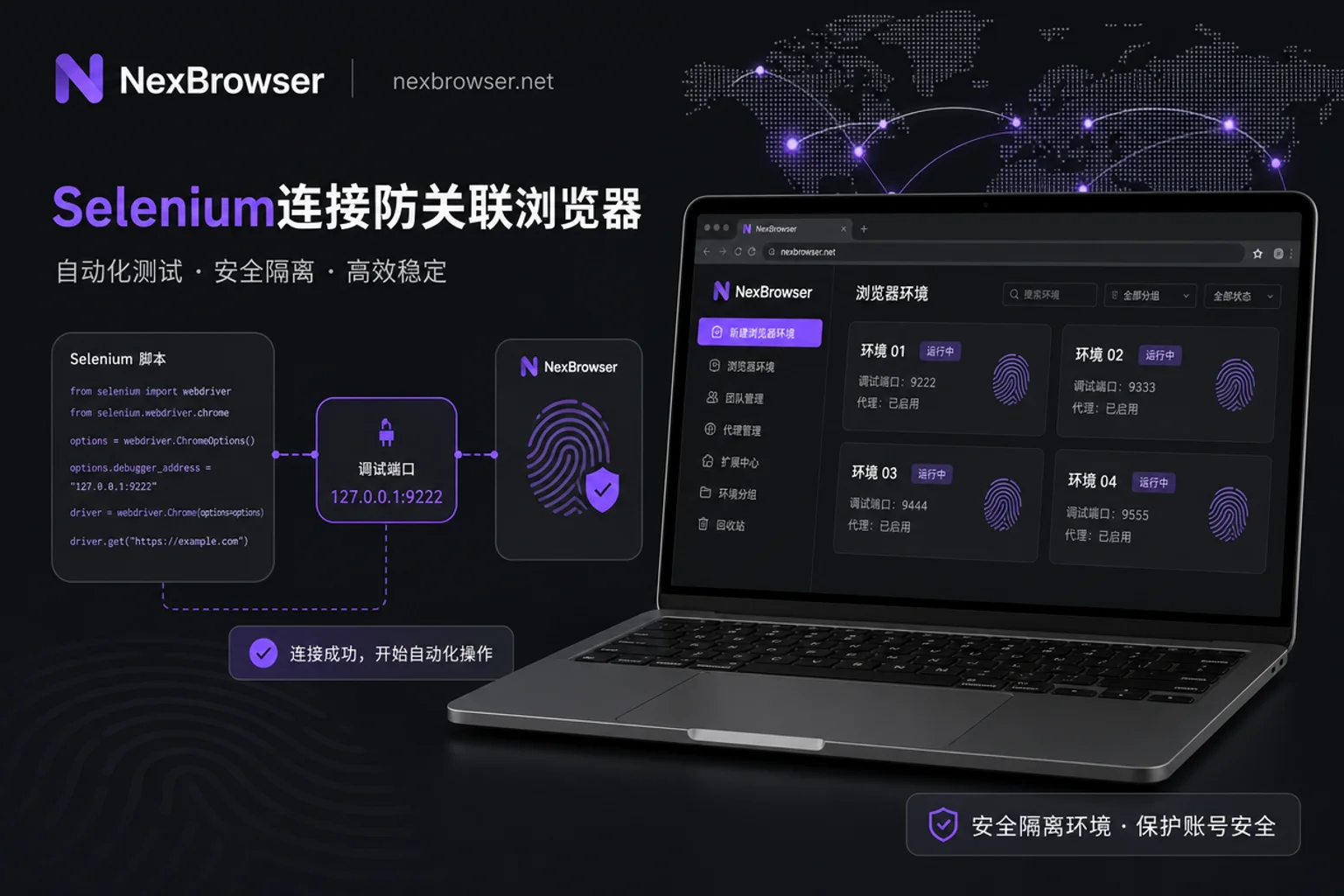
Selenium Integration with Anti-Detection Browsers: A 4-Step Interface Configuration Guide
Learn how to correctly connect Selenium to an anti-detection browser via its debugging port, ensuring you reuse the existing session and maintain fingerprint isolation.