 NexBrowser指纹浏览器-官方博客Blog
On April 14, Anthropic published an announcement in the Claude Help Center titled "Identity Verification on Claude", indicating that real-name identity verification requirements will be rolled out in phases for certain usage scenarios. That means some Claude accounts may need to submit identification documents and complete real-time facial verification when using certain advanced features.
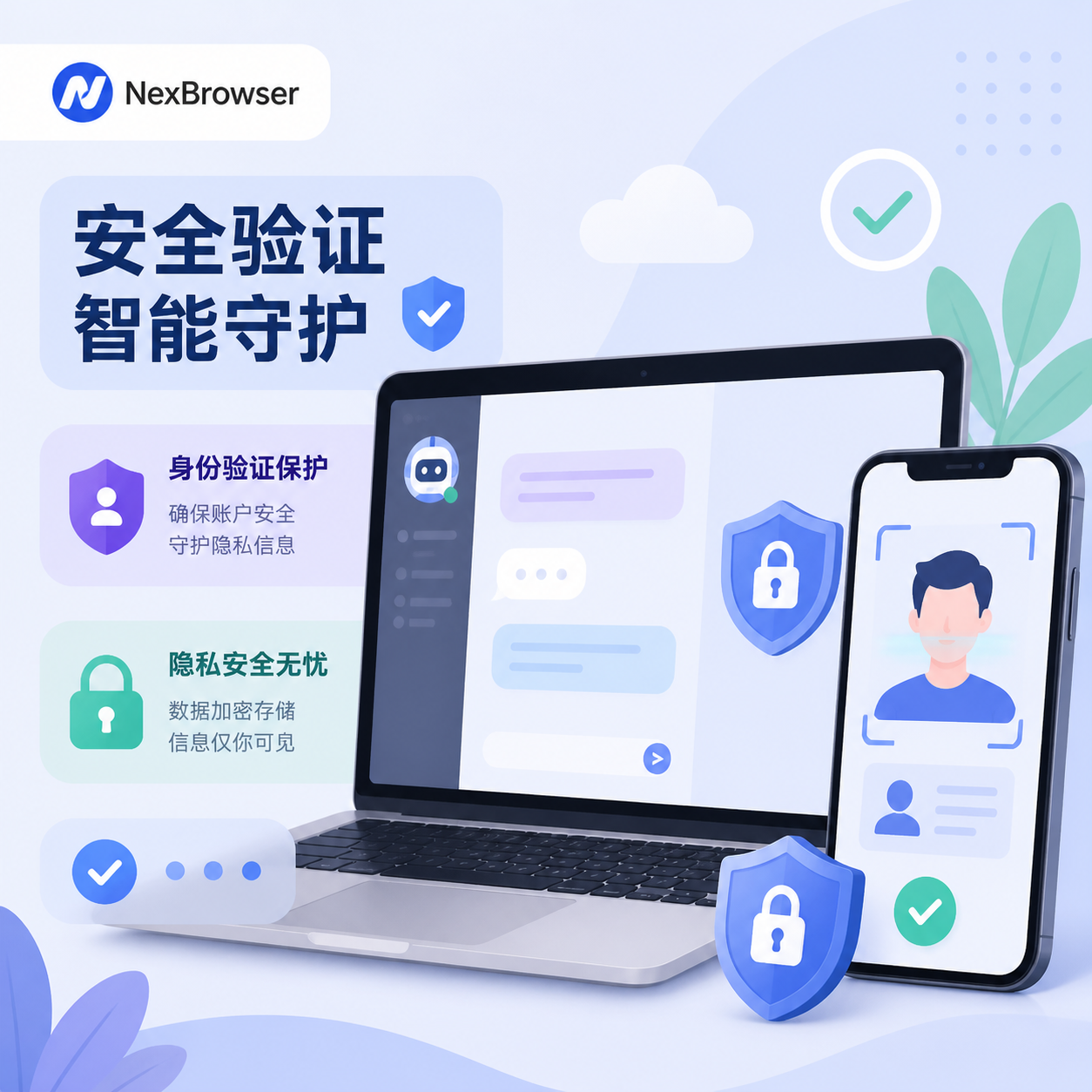
Claude's sudden addition of identity verification has caught many Chinese users off guard. Previously, as long as your network node was clean enough, you could basically use it normally. Now, in addition to the IP environment, you may also need to submit documents and facial verification. This article will outline the specific rules of Claude's identity verification, which situations are more likely to trigger it, the core difficulties faced by Chinese users, and how to continue using Claude relatively stably going forward.
What Are the Claude Identity Verification Rules?
According to Anthropic's public statement, Claude identity verification requires users to prepare: a government-issued physical ID (passport/driver's license/ID card) and a real-time selfie photo (taken live via a phone or computer camera).
In recent days, some users have reported seeing verification prompts when registering accounts or using higher-tier features like Claude Max. The entire identity verification process is powered by Persona.

So, what scenarios may trigger identity verification?
Currently, the main trigger conditions mentioned officially include:
- Using certain advanced or newly launched features
- Registering or upgrading to higher-tier plans like Claude Max
- Being randomly selected by the system for platform integrity checks
- Abnormal login locations, frequent country switching, or suspicious usage patterns on the account
- Users from specific regions may be required to undergo stricter verification
In other words, even if your account has no violations, you may still receive an identity verification request due to "random checks."
How Can Chinese Users Deal with Claude's Identity Verification?
Faced with this stricter verification rule, the most concerning question for many users is: Will old accounts also be asked to verify?
Based on current observations, Claude's identity verification is still in a phased rollout, focusing on newly registered accounts, accounts with recent abnormal login behavior, and usage scenarios that trigger high-level risk control policies. For old accounts that have been used normally in a stable environment, there has been no large-scale forced verification yet.
However, before the policy is fully implemented, it is recommended that all heavy Claude users back up important data as soon as possible, including conversation history, project context, prompt templates, and custom Projects and Artifacts, to avoid uncontrollable losses later.
Once verification is triggered, it is almost a dead end for Chinese users. There is a clear rule in the official documentation: "Account creation from an unsupported location."
This means that if a user submits identification from an unsupported region, verification will most likely lead to immediate account suspension.
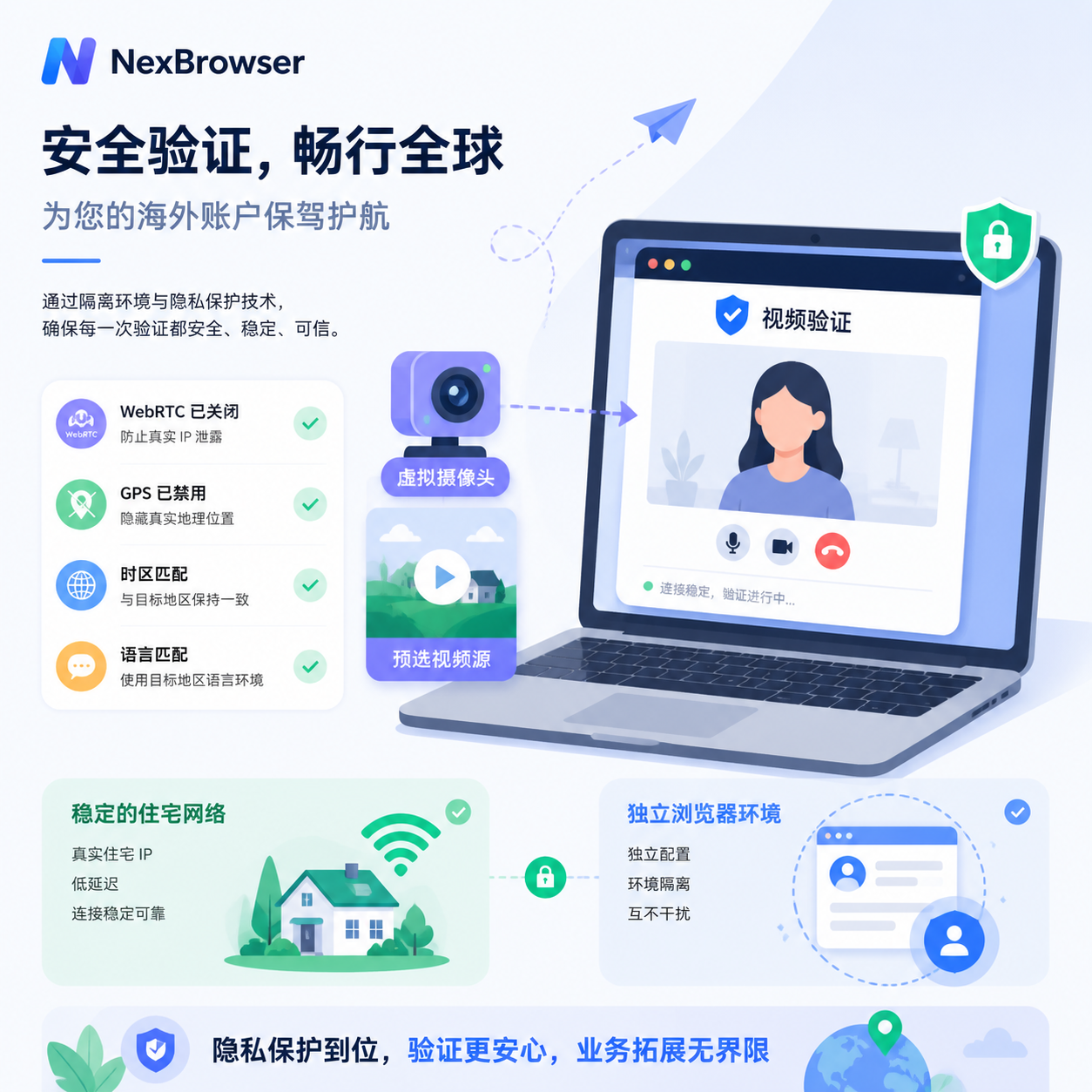
Under these layers of restrictions, if Chinese users still need to use Claude, they typically need to have an overseas compliant identity – meaning a valid passport or driver's license from outside China. During verification, it is recommended to operate in an isolated environment. A more reliable approach is to use NexBrowser's fingerprint browser with a US static residential IP, simulating an overseas local device and network environment as much as possible, while disabling WebRTC, GPS, and unifying the system time zone and language.
For such identity verification scenarios, NexBrowser's virtual camera feature allows users to replace real camera input with a specified video during website access that requires camera verification.
How to Use Claude Accounts Stably?
Claude's introduction of real-name verification indicates that Anthropic is continuously raising the platform's compliance threshold. For Chinese users, this indeed brings higher usage costs and operational barriers. However, the key to long-term account stability is not just a single verification event, but the overall environment and habits during daily Claude usage.
If you want to keep your account as stable as possible, the core principle is clear: Make the account look like a real, stable, and clean overseas user.
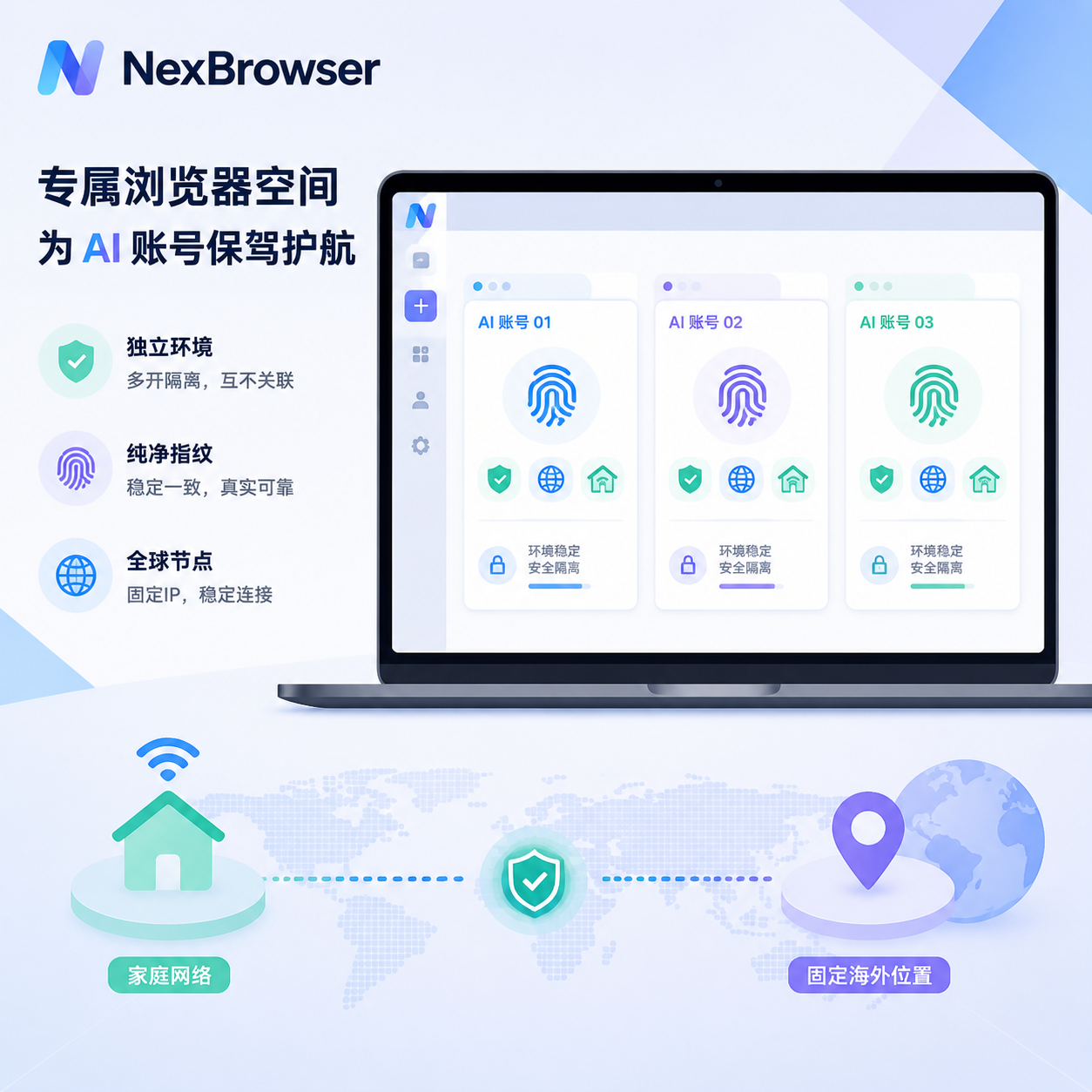
If you use multiple accounts simultaneously or frequently switch between different nodes, it is even more advisable to use the NexBrowser fingerprint browser to set up a dedicated environment for Claude, including an independent browser fingerprint and a fixed proxy IP.
Each isolated environment generates a unique and compliant overseas device fingerprint and is bound to a dedicated static residential IP for the long term. During usage, avoid frequent changes, jumps, or sharing, making the account appear as an independent, real, long-term overseas user, preventing conflicts between overseas IPs and domestic device characteristics, thereby helping the system recognize it as a genuine local device and reducing abnormal flags.
Not Sure if NexBrowser Is Right for You?
Let top AI tools think for you. Click the button below to ask a question.
Ask ChatGPT Ask Claude Ask Perplexity
Conclusion
For Chinese users, continuing to use Claude is no longer just about solving the "how to access" problem; it's about making the account appear as a real, stable, and long-term active overseas user in the system's judgment. The earlier you establish a stable account environment, develop a habit of full backups, and form a sustainable long-term usage plan, the more likely you are to maintain a relatively stable usage state as Claude's risk controls continue to tighten.
Frequently Asked Questions
Do I need an overseas phone number to register for Claude?
Yes. Currently, the Claude registration process requires an overseas phone number to receive verification codes. Mainland China phone numbers (+86) cannot be used directly for registration. Note that the phone number not only affects registration success but also impacts subsequent account risk control. If you used a phone number from a certain country during registration, it's best to keep the long-term login environment, IP node, browser language, and time zone consistent with that country as much as possible.
Which countries are not supported by Claude?
Currently, Claude is not available in Mainland China, Hong Kong, Macau, and some other restricted countries and regions. Direct access from these areas may result in inability to register, login, page errors, or being flagged as an "unsupported location" during verification. This is why many Chinese users, even after successful registration, still need to maintain a stable overseas usage environment.
Can Claude Code be used in China?
Claude Code essentially relies on the Claude API or Claude account, so direct use in Mainland China typically requires an overseas node, overseas account, and a stable network environment.
What payment methods does Claude support?
Claude currently mainly supports international credit and debit cards, including Visa, Mastercard, American Express, and Discover in some regions.


Comments(0)