 NexBrowser指纹浏览器-官方博客Blog
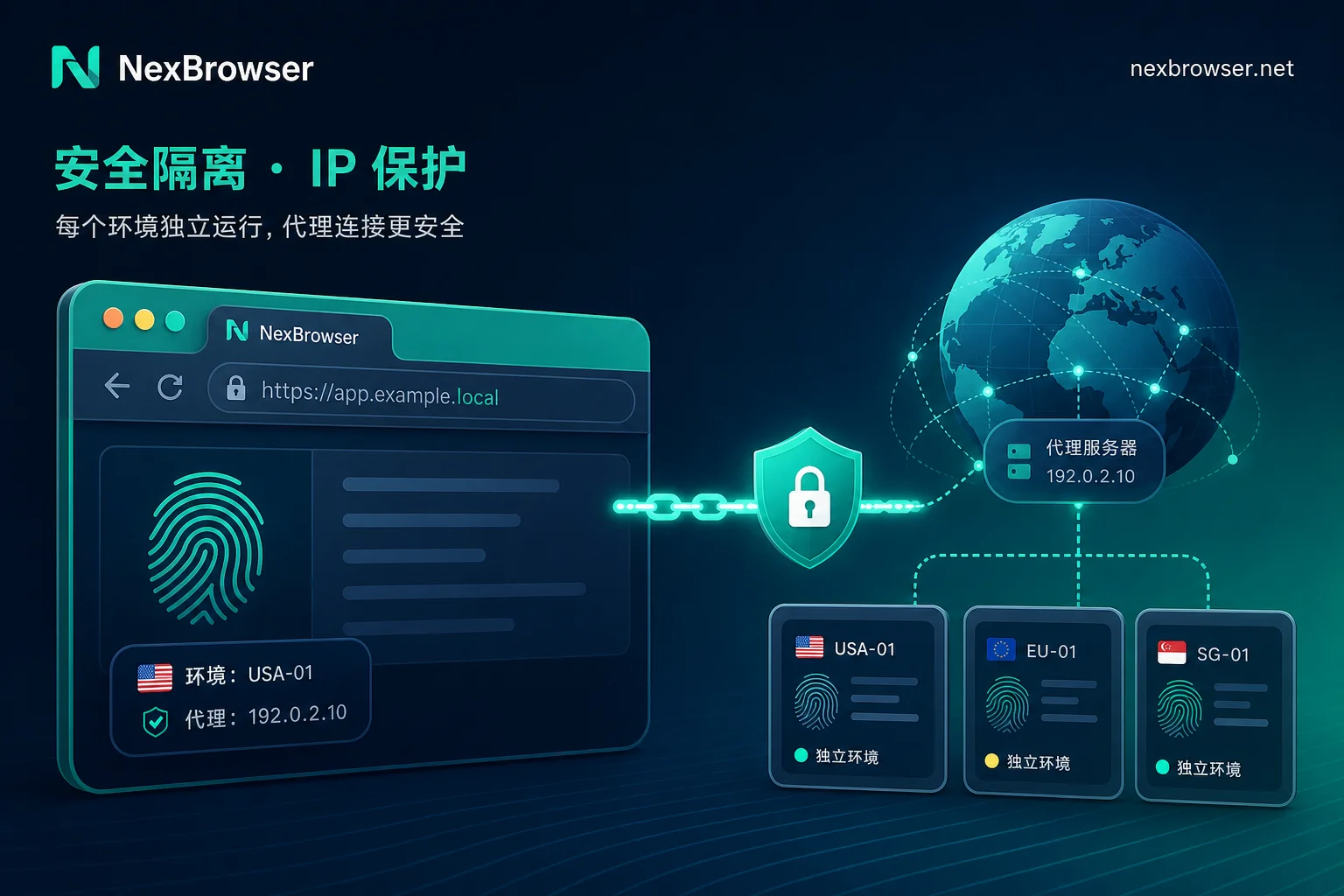
WebRTC Fingerprint Leak Prevention: mDNS Only Masks Local IPs; What Really Matters Is Whether STUN Goes Through the Proxy
mDNS only hides local IPs; to truly prevent WebRTC leaks, verify that STUN's UDP traffic follows the proxy and that the srflx public IP matches the HTTP egress IP.

Understanding Canvas Fingerprinting: With Competitors on Chrome 150 and Enhanced Canvas Masking, Which Layer Does Masking Actually Change?
An in-depth analysis of Canvas fingerprinting principles, explaining how masking and noise work at different layers, and why consistency with environment variables matters more than masking strength.
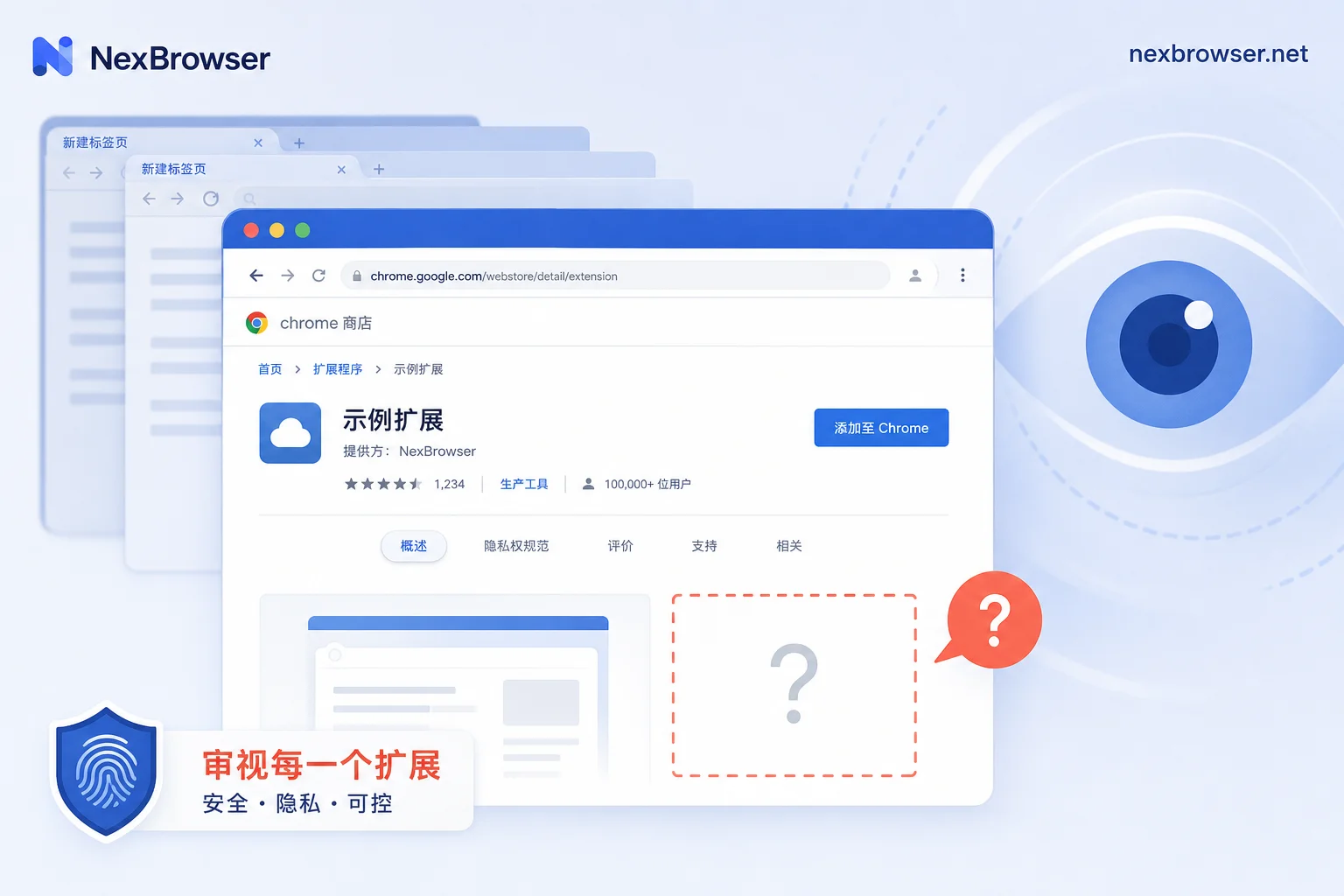
Chrome Extension Data Disclosure: Self-Declaration Is Not Verification—Cross-Check Three Documents
Learn how to evaluate Chrome extensions by cross-referencing the store's privacy practices, manifest permissions, and the external privacy policy before installation.

Chrome IP Protection Only Masks First-Party Excluded Third-Party Requests: How to Rewrite IP Consistency Checks for Cross-Border Teams
Understand Chrome IP Protection's limited scope and learn how to rewrite your IP self-check process with cross-source verification and environment-level isolation.

Why Fingerprint Browsers Use Chrome as Their Core: Detailed Explanation
Explore why standard Chrome fails to protect privacy, how fingerprint browsers work, and how tools like NexBrowser help manage multiple accounts securely.