 NexBrowser指纹浏览器-官方博客Blog
On TikTok, many top creators use multiple strategies to grow their income. Whether you're a regular user, short video creator, or cross-border e-commerce seller, there are opportunities to find a monetization path that suits you. This article introduces 10 ways to make money on TikTok, starting from a beginner's perspective, to help you quickly understand the logic and entry barriers of different models.
10 Ways to Make Money on TikTok
Join the Creator Rewards Program
The TikTok Creator Rewards Program primarily targets creators who publish original videos over 1 minute. The platform rewards cash based on content quality and video performance (average watch time, retention rate, completion rate, and search value).
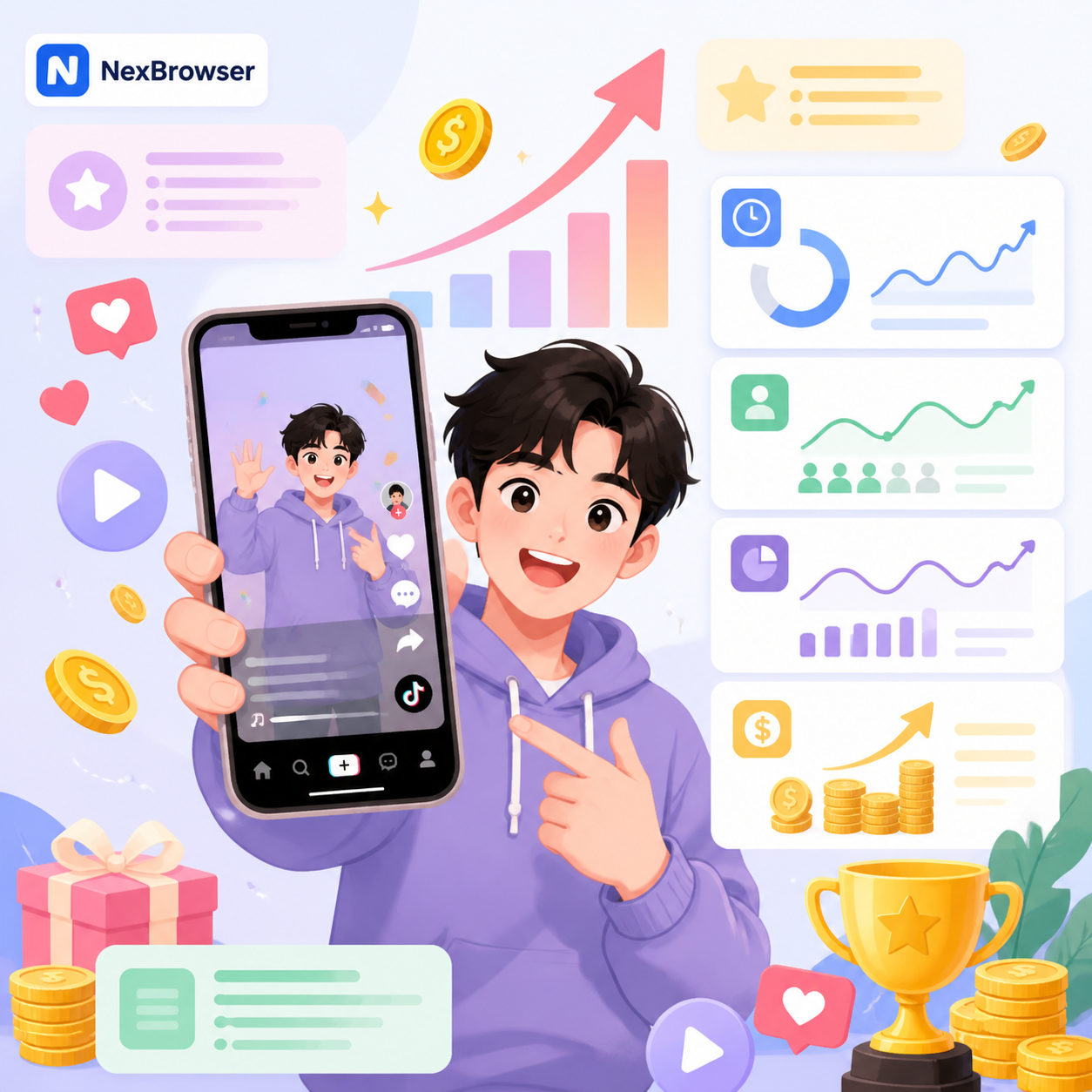
Your final reward consists of a standard reward plus an extra reward, which together affect the RPM (revenue per thousand plays). In other words, higher video quality and better user viewing performance generally lead to a better RPM.
If you're good at creating high-quality long-form TikTok videos, joining the Creator Rewards Program is a relatively direct way to make money.
How to join: Your account needs at least 10,000 followers, 100,000 video views in the past 30 days, be at least 18 years old, and be registered in the US, UK, Germany, Japan, South Korea, France, Mexico, or Brazil. Once eligible, go to [TikTok Studio] > [Creator Rewards Program] in your profile to apply.
Open a TikTok Shop
If you have product resources or plan to make money through product promotion, you can open a TikTok Shop, leveraging short videos and live streaming to monetize. It's similar to a store within TikTok, like a TikTok version of a store on Douyin.
To apply for a TikTok Shop, you typically need a business license (domestic companies can apply for cross-border stores, US local businesses can open local stores), legal person ID, and a receiving account. Submit your application at the TikTok Shop official website.
Refer to this tutorial for setting up a TikTok Shop.
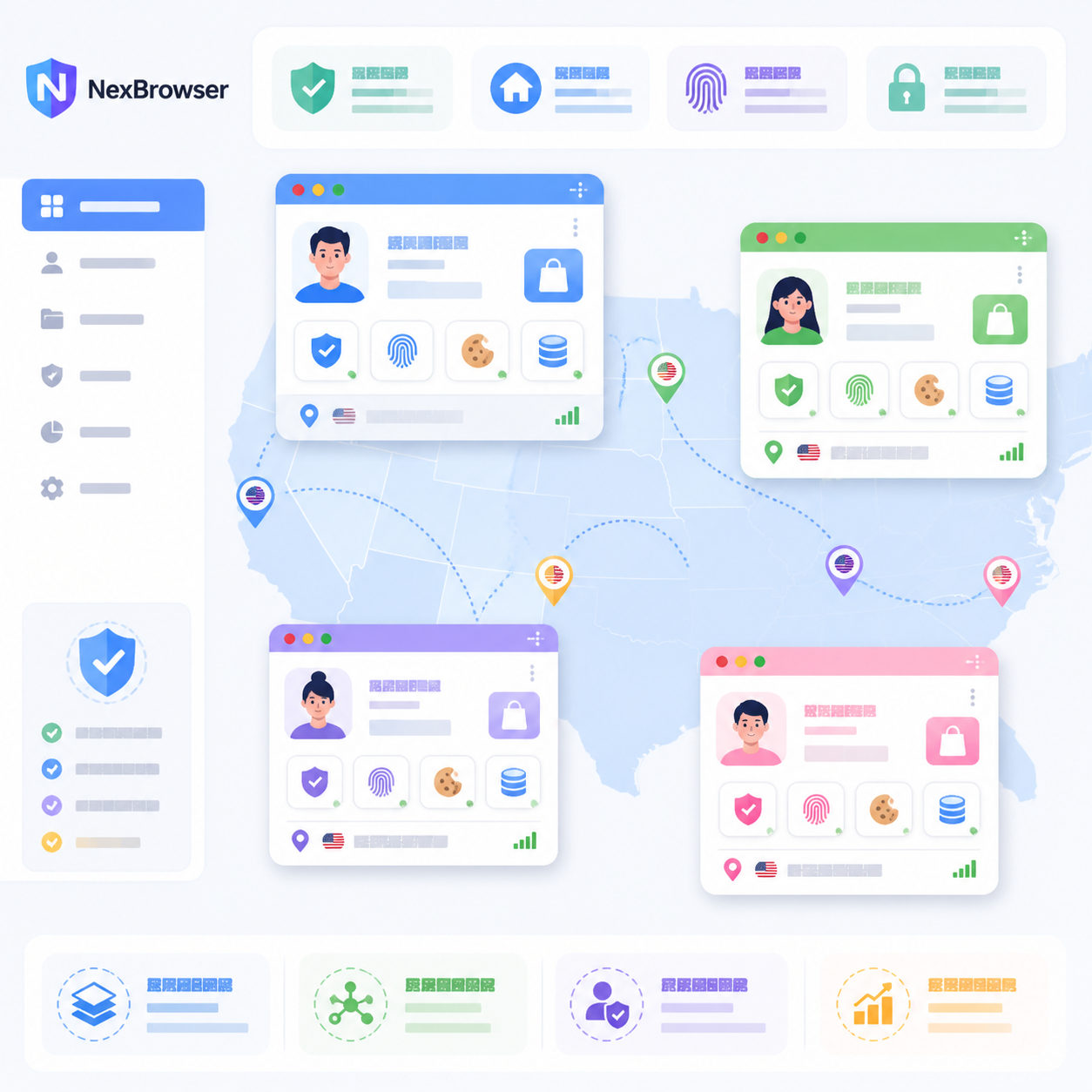
If you operate a US local store, TikTok will check if you are a local merchant. Thus, you need to use a clean, stable US residential IP long-term and maintain a fixed login location. Also, avoid using the same browser environment and network for multiple accounts, as this can lead to account association and bans.
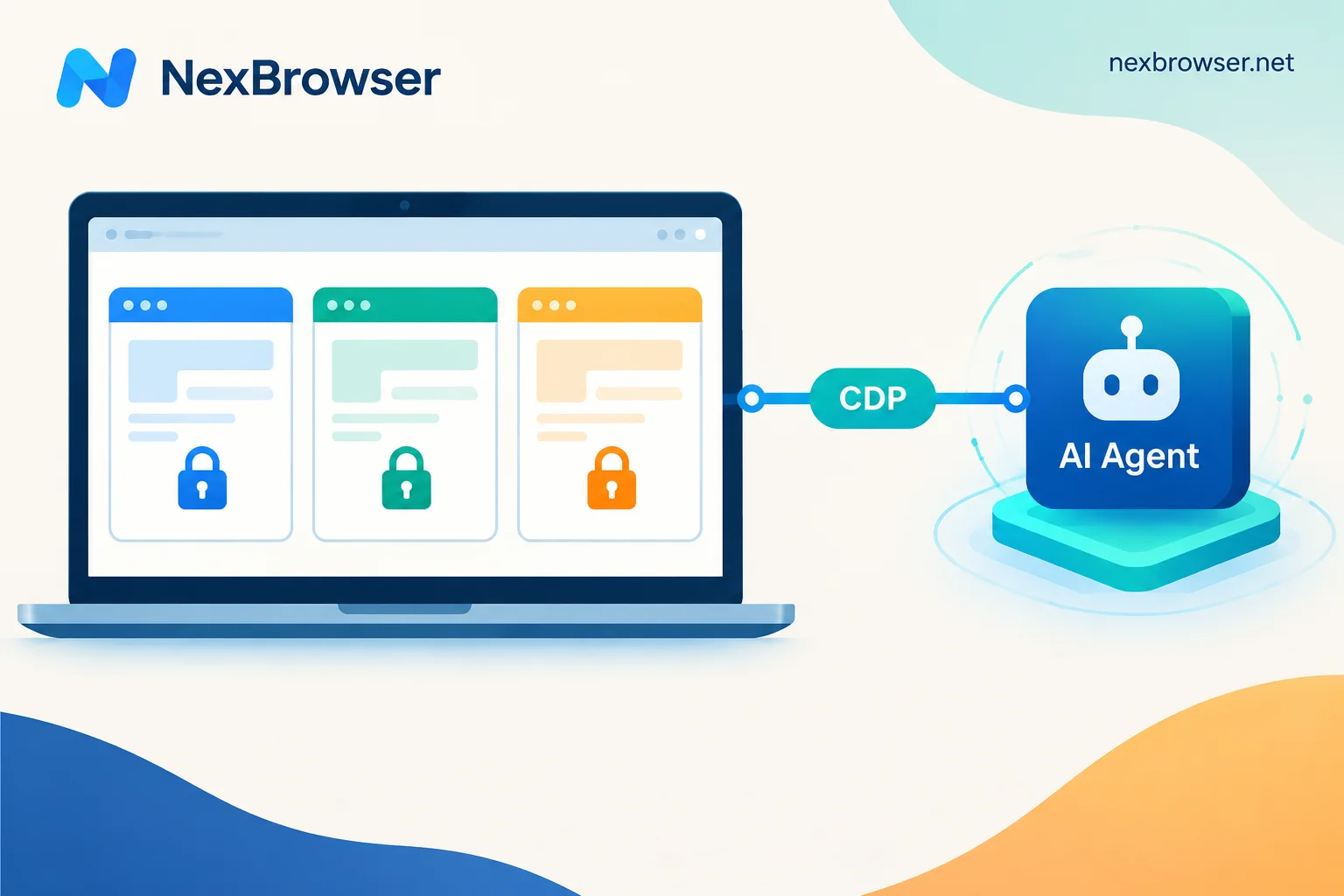
To avoid account association, use professional anti-association tools. For example, NexBrowser creates an independent and fixed browser environment for each store account by binding browser fingerprints, cookies, cache, and proxy IP, reducing the chance of association between multiple accounts. This helps when managing multiple US stores, maintaining a stable and credible localized environment.
Live Streaming Gifts
Use TikTok Live to increase income in real time. After enabling the live gift function, viewers can send virtual gifts, which convert to diamonds that can be withdrawn as real money.

Creator Collaborations
Creator collaborations are common between brands and content creators: brands provide products or payment, and creators publish videos or content to promote to their followers, helping brands gain exposure or sales. On platforms like TikTok, this often appears as "content seeding," which is more natural and accepted than traditional ads.
The TikTok Creator Marketplace (TikTok One) is a key platform for such collaborations. It efficiently connects brands and creators. Brands can filter suitable creators by industry, audience, data performance, etc., and send collaboration invitations or tasks, significantly reducing the time cost of finding partners.
Additionally, TikTok One offers data analysis, collaboration management, and performance tracking, making it easier for both parties to view content performance and campaign results. For those planning creator collaborations, it integrates "creator selection, collaboration communication, and project management" into a more standardized and transparent process.

In-Feed Ads
In-feed ads appear as "native short videos" mixed into user feeds, such as unboxing reviews, product demos, or problem-solving videos. They look more like regular content than traditional ads. These ads are usually created by brands or in collaboration with creators and are algorithmically targeted to specific users.
TikTok in-feed ads are best for those with clear promotion goals, like cross-border e-commerce sellers, independent website operators, or teams with established products and conversion paths. Such operators usually need controllable and scalable traffic sources and are willing to invest budgets to test ad effectiveness, optimizing based on data.
Music Promotion Orders
TikTok music promotion orders are a way to make money by promoting music through content. Independent musicians or record labels pay creators to use specific songs as background music in short videos, increasing the song's plays, exposure, and trend popularity.
Creators can find music promotion tasks via third-party platforms like SubmitHub, SoundCampaign, or Playlist Push. They then create short videos using the specified song to complete the task.
Earnings are usually tied to video performance, such as plays, interactions, or task completion. Overall, it's a "traffic-driven content monetization model," leveraging short video traffic to promote music while earning rewards.
Agency Operations
Many traditional manufacturing companies or e-commerce sellers want to monetize on TikTok but are unfamiliar with the algorithm and content ecosystem. So, they hire professional teams to manage their accounts. Agency operators typically provide full services, including account positioning, content planning, video shooting, editing, and traffic optimization, charging monthly fixed fees. This model is a traditional offline B2B service requiring active client acquisition.
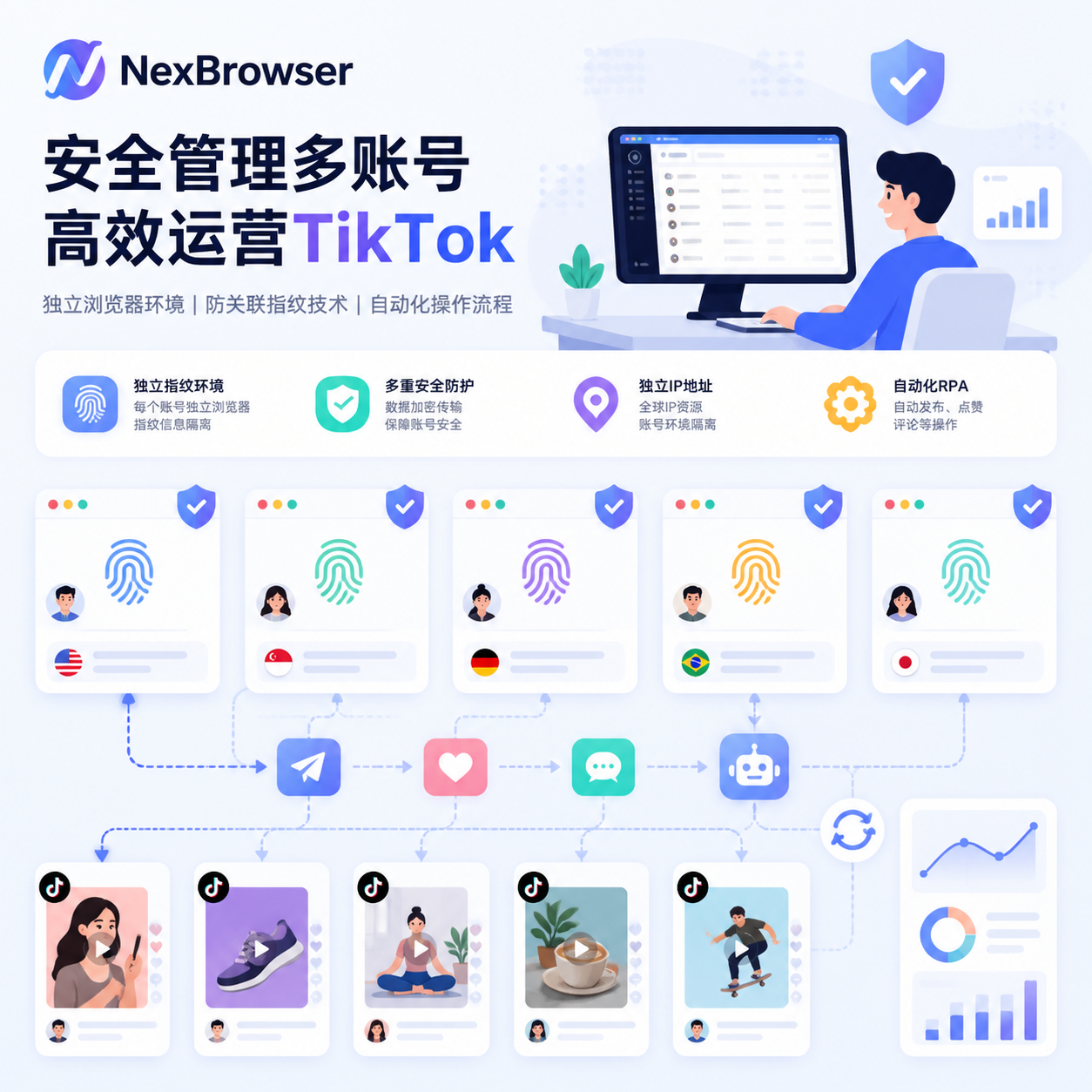
For agency operators, managing dozens or even hundreds of client accounts is common. The key technical issue is avoiding environment-related account bans. TikTok's risk control system is strict; if many accounts frequently log in from the same network or device, they may be permanently restricted.
To protect client account assets, use NexBrowser fingerprint browser (claim free trial) to give each account unique fingerprint parameters—from screen resolution and fonts to Canvas fingerprints—and bind independent, fixed, clean IPs. This makes the platform more likely to see the accounts as from different real users. NexBrowser's RPA automation can also help with repetitive tasks like auto-posting, liking, and commenting, improving TikTok account nurturing efficiency.
UGC Creators
On TikTok, UGC creators may not have large follower bases, but they help brands promote products through authentic experience-based content. Their main income is "per content payment." Brands invite them to film product reviews, unboxings, or seeding videos in a lifestyle manner rather than traditional ads.
Common income sources for UGC creators include:
- Per-content fee: Fixed fee per video
- Bulk content collaboration: E.g., 5–10 videos from different angles
- Long-term collaboration or content licensing: Creators' videos can be used by brands for ads with additional licensing fees
This model focuses less on follower count and more on "content quality and credibility." Many brands prefer UGC creators because the content seems more authentic and converts better. So, even with a small account, if you can consistently produce high-quality product showcases, unboxings, or usage scenarios, you can get orders and monetize.
Knowledge Payment
When you have solid practical experience in a niche and have run a complex methodology, you can package your expertise into online courses, e-books, or consulting services. Use short videos or live streams to attract followers and guide them to pay. Here, TikTok serves as the top-of-funnel traffic source, helping you reach and filter people interested in learning your skills.
Key to this monetization method is building trust and professional image. Users pay for knowledge only if they believe you can solve their problems. So, consistently outputting high-value content, focusing on a clear niche, and building a personal professional brand are crucial for long-term profitability.
Subscription Service
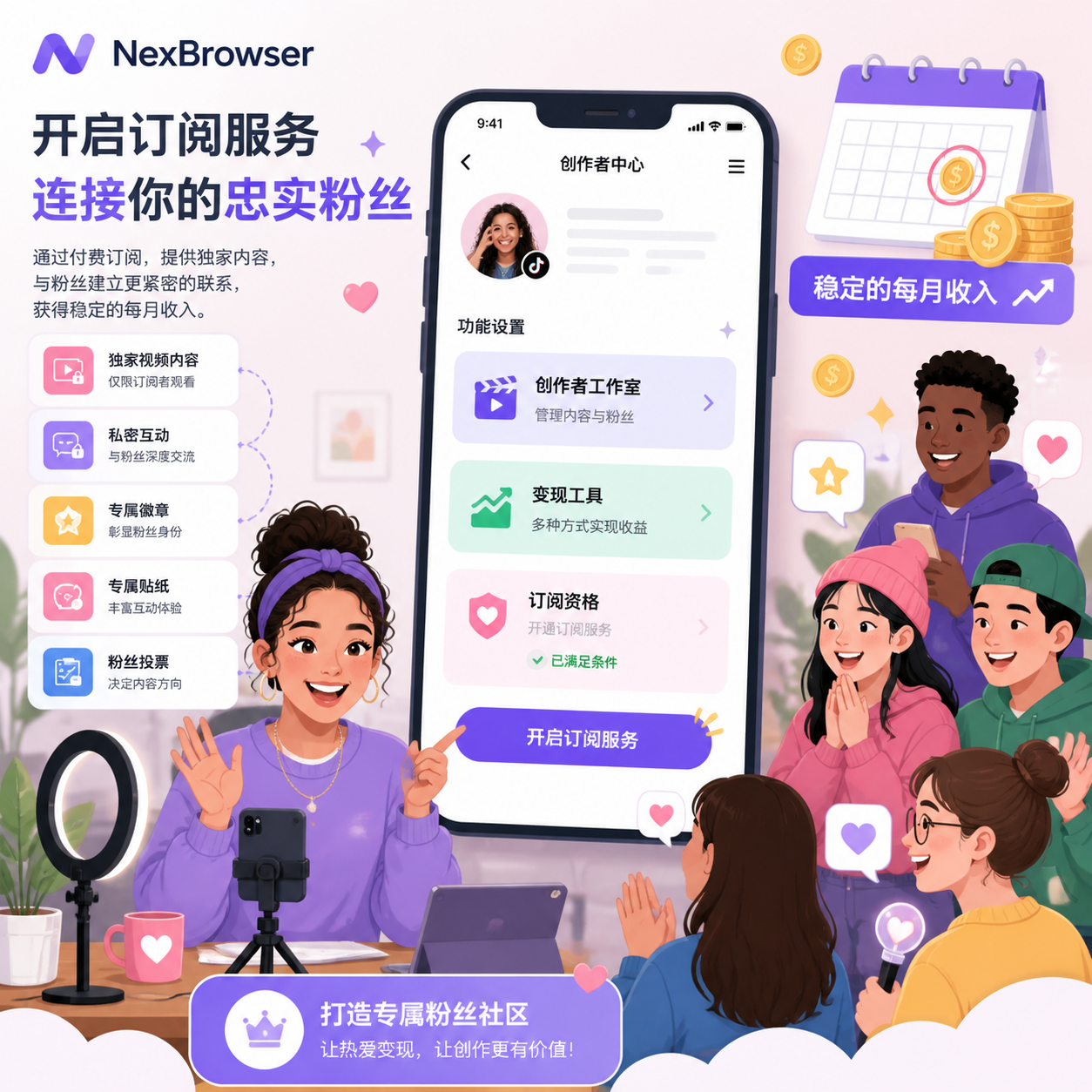
TikTok's Subscription Service is a recurring monetization method based on fan payments. It upgrades the one-time content viewership relationship into "long-term membership income." Creators set a monthly fee (platform provides price range options). Users pay to unlock exclusive content and benefits, creating a stable monthly income stream.
Creators can offer various subscription-exclusive perks, such as subscriber-only videos, private interactions, exclusive badges, custom stickers, and content direction voting. These features aim to boost fan engagement and belonging, making users feel "paying = entering a core community."
Structurally, TikTok shares subscription revenue (creators usually get a majority). The platform also offers extra rewards based on follower count, plays, and content activity. For creators, this model reduces reliance on single viral hits, building a more stable, predictable long-term income through consistent content and fan loyalty.
How to set up [Subscription]: In your profile, go to [TikTok Studio] > [Revenue] > [Revenue Plan], then select [Subscription]. Click [Join Subscription] to see eligibility.
Summary
The 10 TikTok monetization methods can be roughly divided into three categories: traffic monetization (ads, creator collaborations), content monetization (creator rewards, UGC, knowledge payment), and business monetization (e-commerce, agency operations). For beginners, the key isn't deciding "which is most profitable" initially but finding a direction that matches your abilities and can be sustained long-term, then amplifying your strengths.
For multi-account matrix or local store operators, while capturing traffic dividends, don't overlook account security. As mentioned, using tools like NexBrowser fingerprint browser to create independent, clean environments for each account is a long-term solution to reduce ban risks and protect business assets. There are many monetization paths, but only with stability can you go further.
FAQ
Which TikTok money-making method is best for a beginner?
If starting from zero, content creation + affiliate marketing or UGC orders is recommended. These have low entry barriers, let you get familiar with platform rules, test content directions, and gradually build experience for your first income.
Are there hard requirements for video content in the Creator Rewards Program?
Three core requirements: originality, length, and value. Videos must be 100% original, over 1 minute. Also, TikTok now highly values "search value." Videos that answer user questions (e.g., tutorials, reviews) typically get higher RPM than pure entertainment.
What's the difference between knowledge payment and subscription service?
Their focus differs. Knowledge payment is more "one-time transaction," suitable for creators delivering phased results. Subscription service is "monthly subscription," emphasizing fan loyalty and ongoing service. If you maintain high interaction frequency or long-term membership benefits, subscriptions can provide more stable monthly cash flow.
How does NexBrowser help with TikTok cross-border business?
NexBrowser adds value through multi-account security management, reducing association risks, and improving operational efficiency.
- Account isolation: Each TikTok account runs in an independent browser environment, reducing association risks from same device, IP, or fingerprint.
- Batch management: Ideal for account matrices, team collaboration, and multi-store operations, allowing unified login, switching, and maintenance.
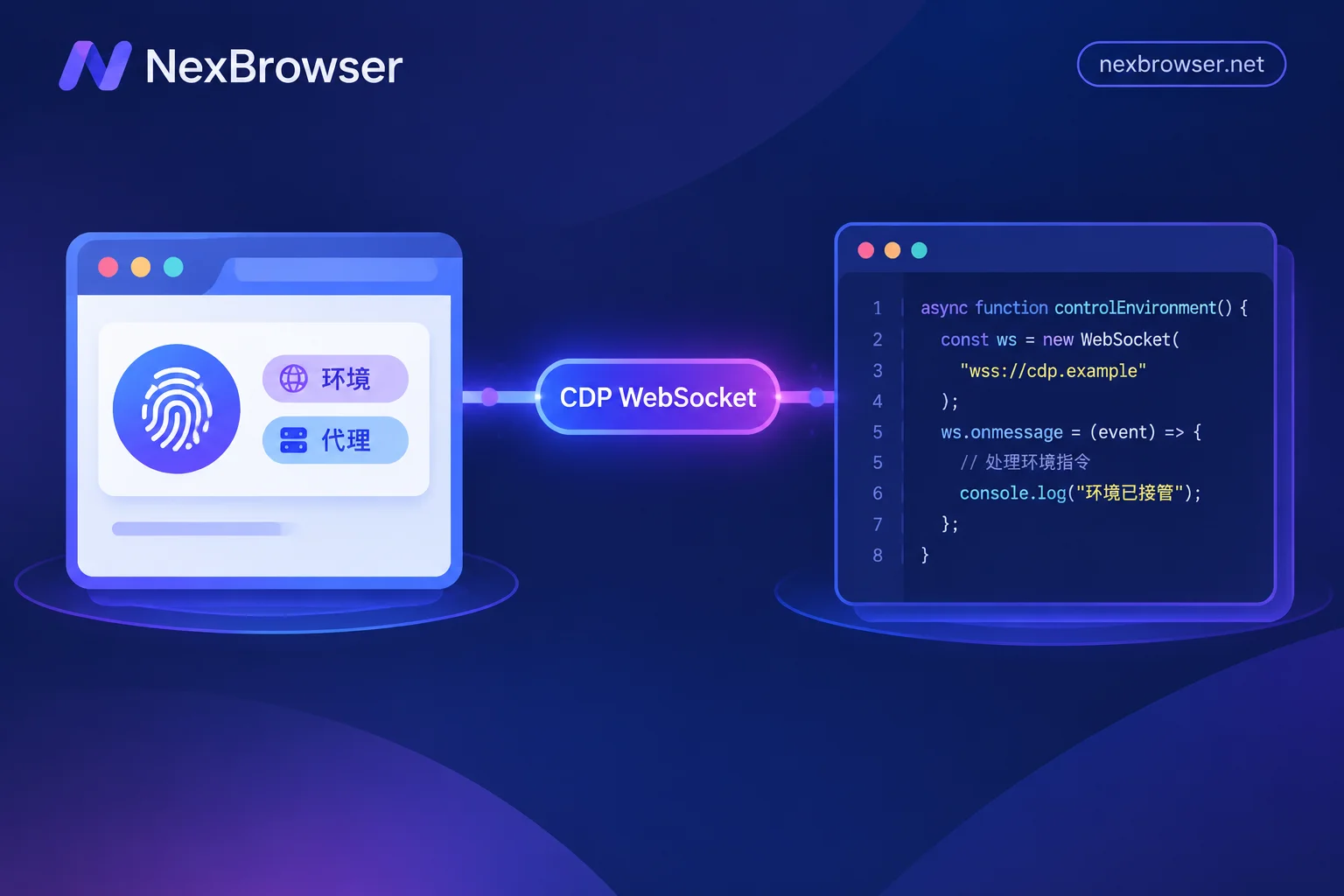
- Automation efficiency: Integrates with RPA, API, and window sync to handle repetitive tasks like liking, commenting, browsing, and daily nurturing, lowering labor costs.
- Environment consistency: Keeps proxy IPs and device environments consistent during registration, nurturing, and operation, reducing TikTok's anomaly detection.
- Cross-border suitability: Especially for TikTok Shop, content matrices, ad testing, affiliate marketing, and overseas social media operations.


Comments(0)