 NexBrowser指纹浏览器-官方博客Blog
只是一个默认分类
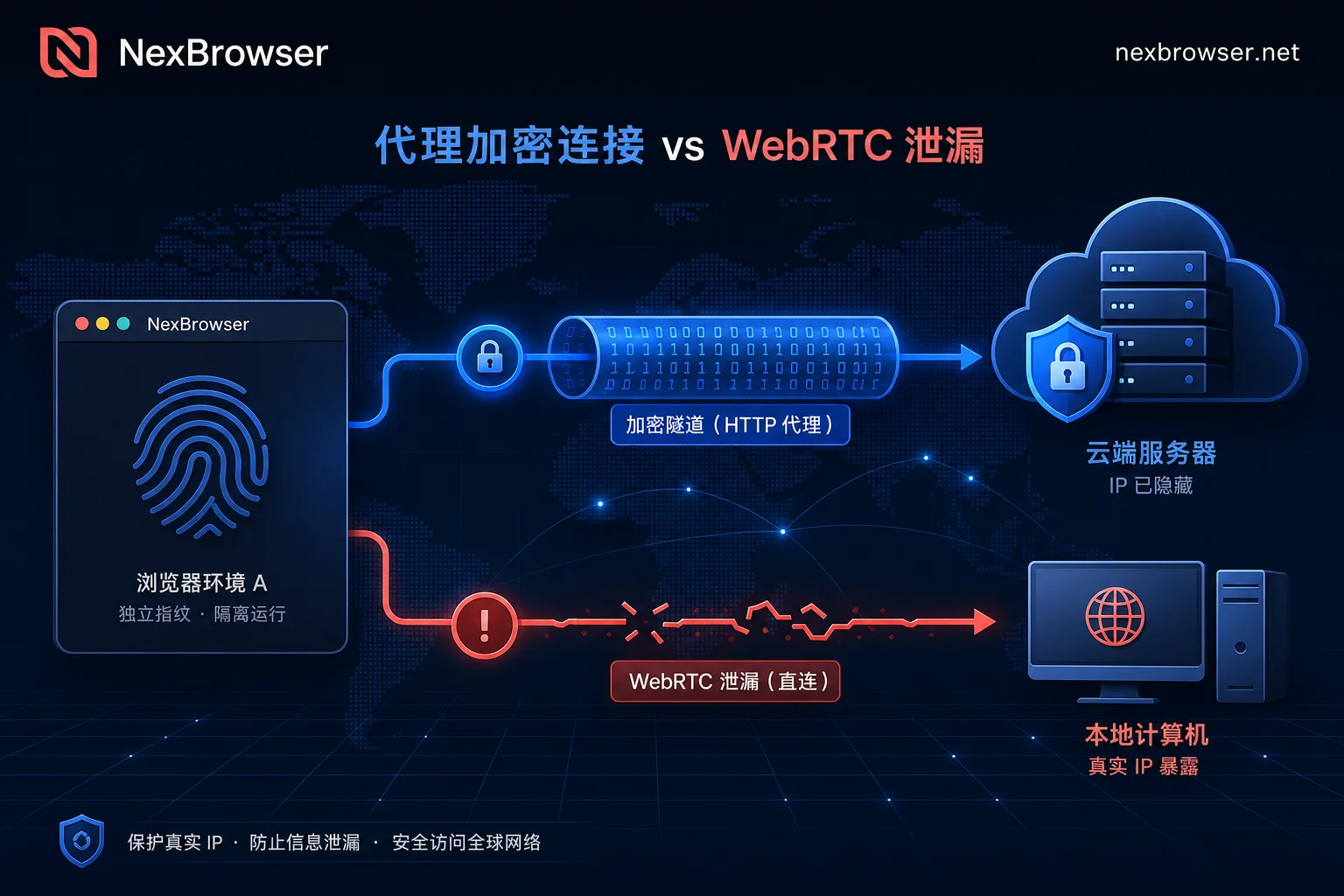
Bound Proxy but Exit IP Still Local? WebRTC and UDP Channel Troubleshooting Guide
This article explains why fingerprint browsers may show a local IP via WebRTC even when HTTP proxy is correctly set, covering SOCKS5 UDP association, Chrome enterprise policies, and VPN routing conflicts, with layered troubleshooting steps.
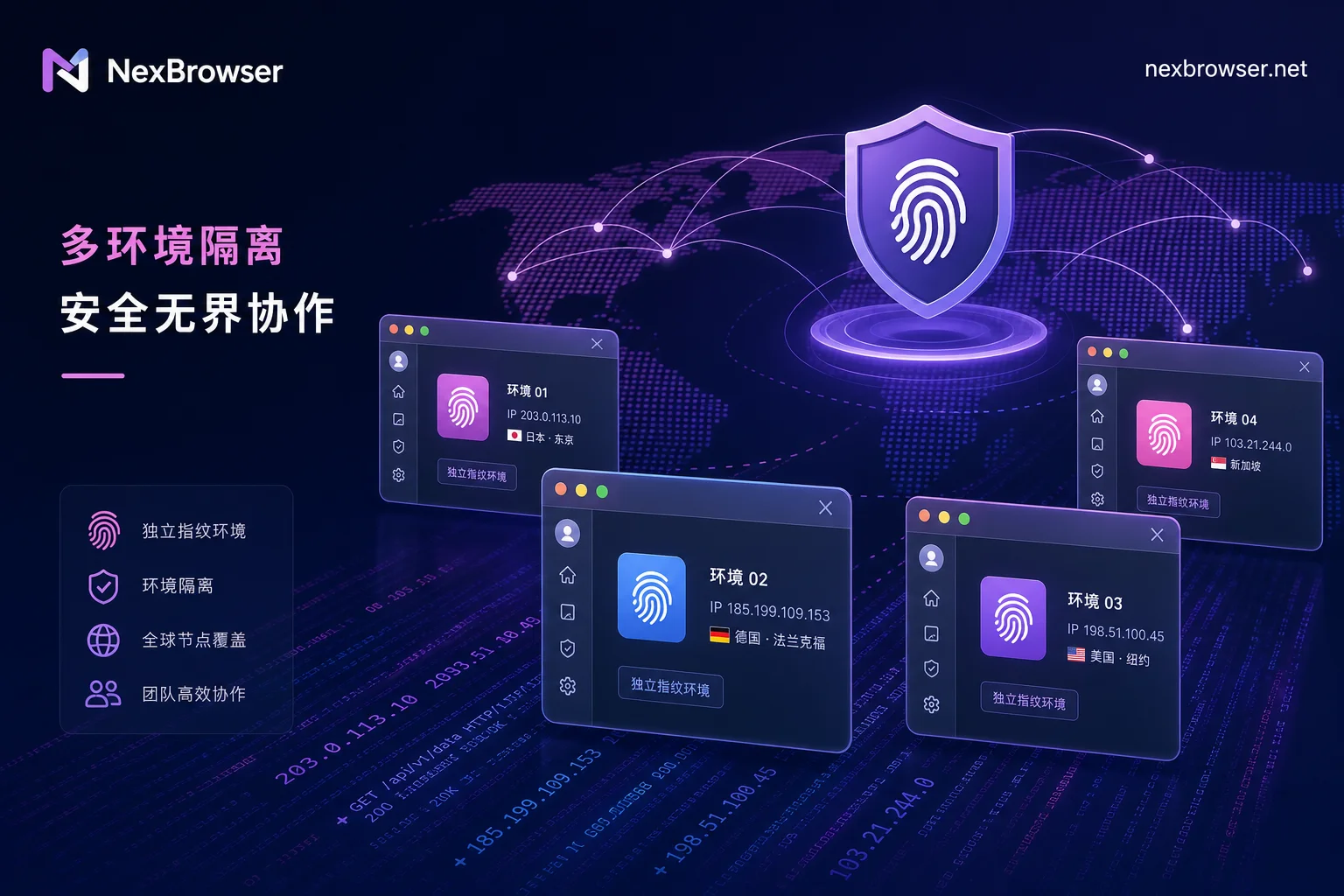
What to Test During the Fingerprint Browser Trial: 6 Hands-On Tests
With trial time limited, don't just rely on detection site scores. This article breaks down the time costs of installation, environment setup, and re-testing, focusing on six reproducible tests: kernel version, proxy egress, WebRTC, timezone linkage, API takeover, and proxy type, to help you determine if the tool can support your account scale.
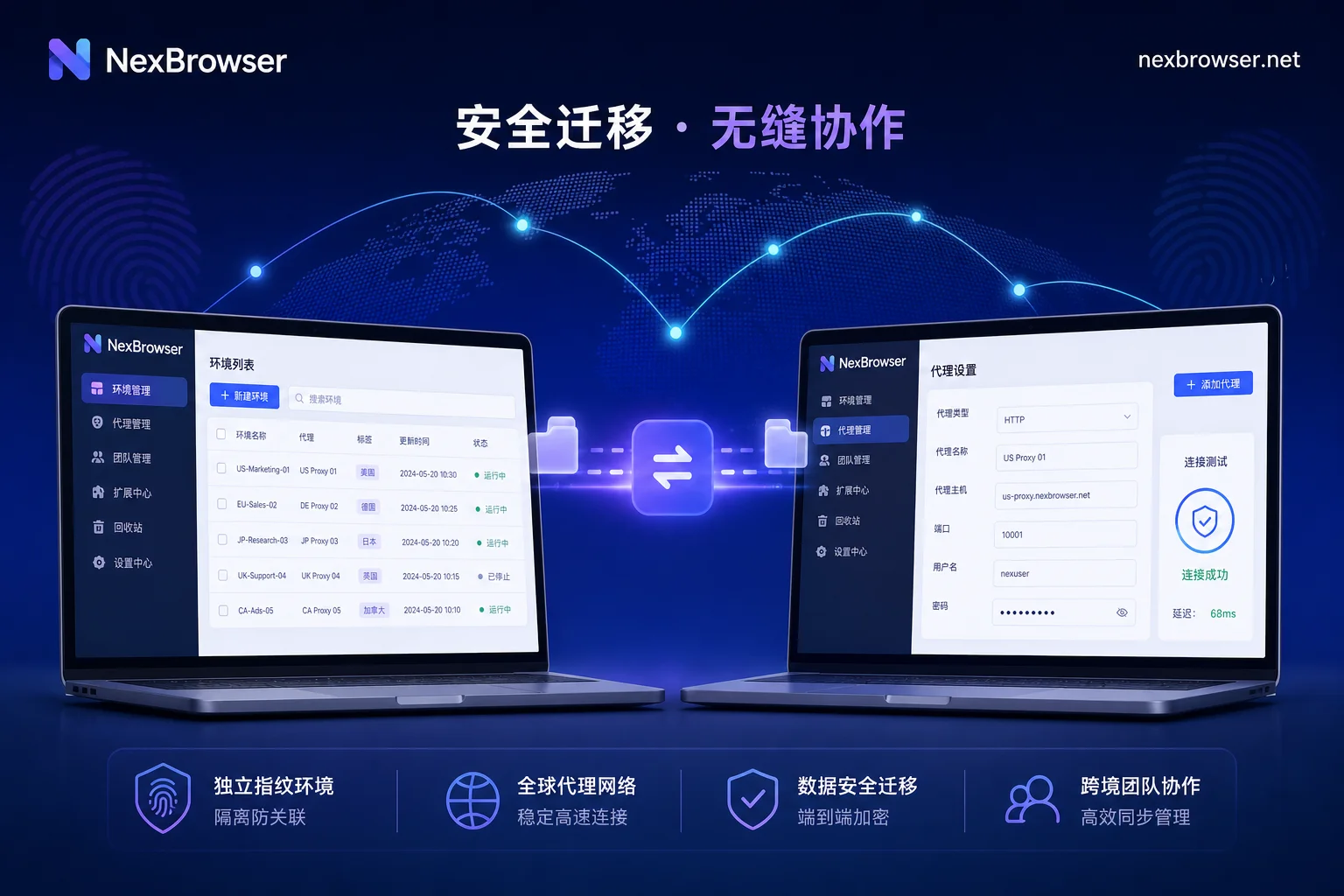
NexBrowser vs AdsPower: Feature Comparison and Migration Guide - 5-Point Checklist
A practical comparison and migration guide covering kernel compatibility, proxy switching, permission granularity, automation interfaces, and migration boundaries between NexBrowser and AdsPower.
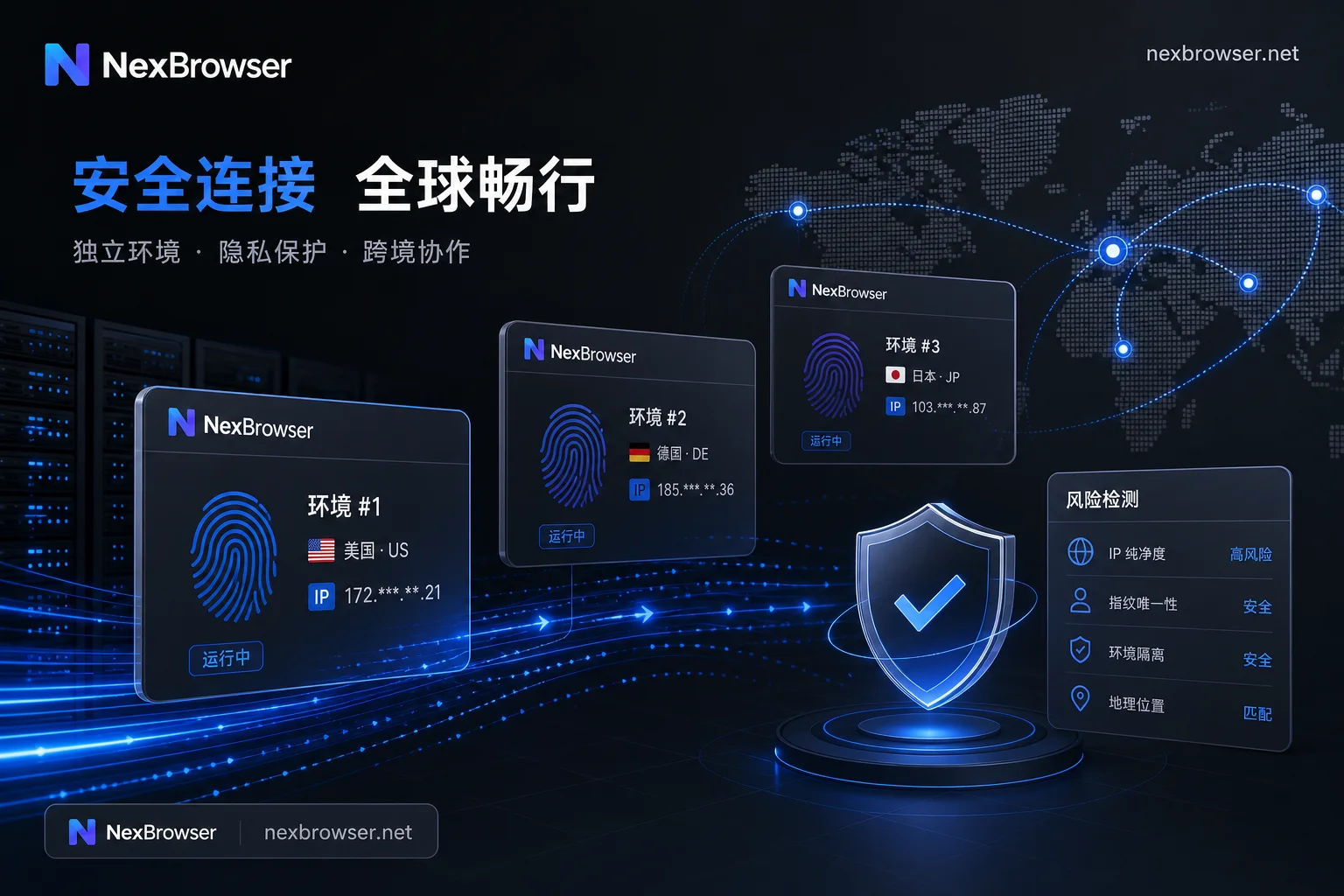
How Proxy IP Contamination Triggers Account Risk Control: Causes and Detection
Proxy IP pollution causes account verification due to the exit IP's historical reputation—ASN attribution, proxy marking, abuse history, and risk score—hence the four-step detection and acceptance checklist.
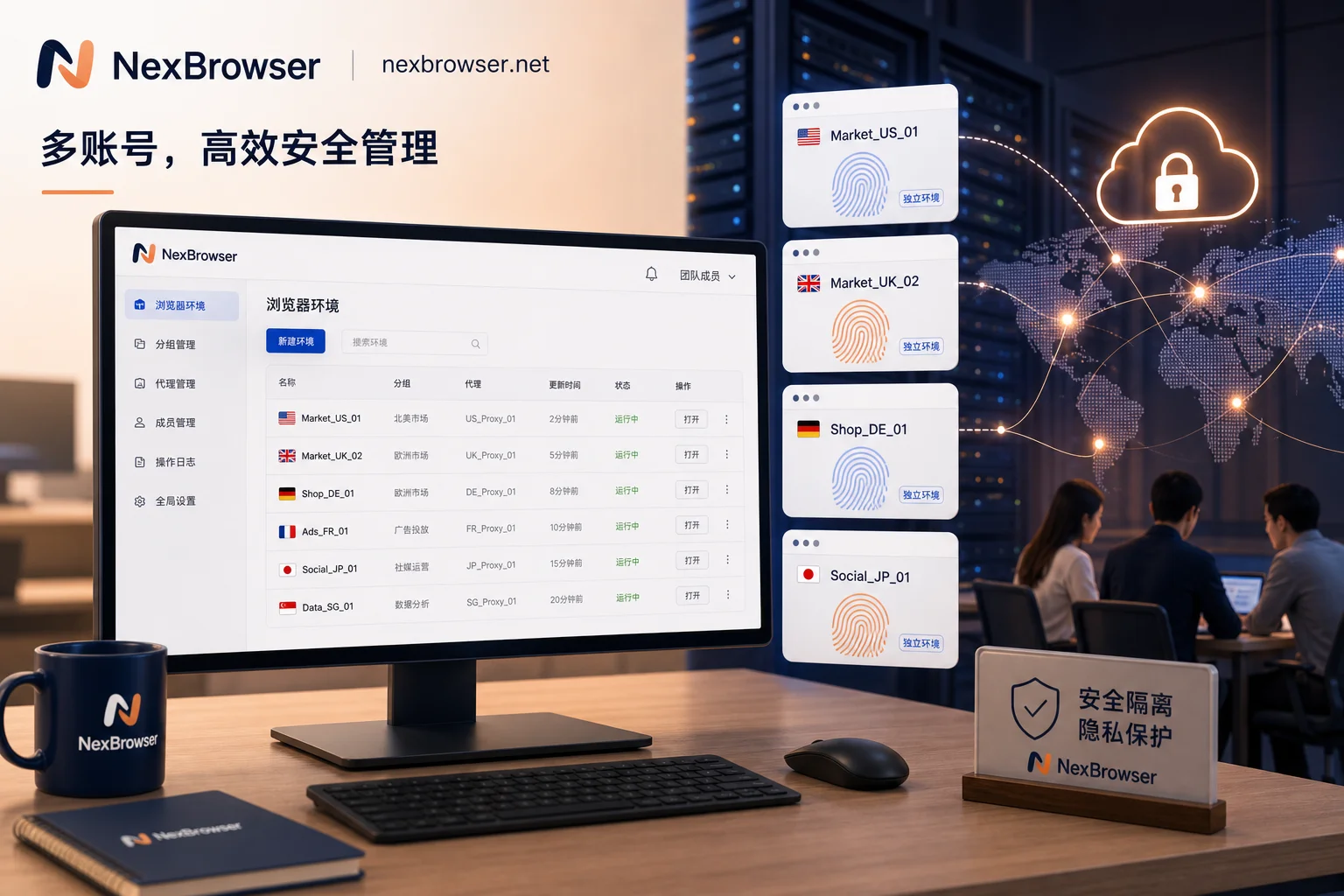
Self-Hosted VPS vs Professional Anti-Detection Browsers: A Cost-Effectiveness Comparison of Four Accounts
Compare self-hosted VPS and anti-detection browsers across four dimensions—isolation layer, per-instance overhead, scaling costs, and exposure surface—and offer selection advice based on account scale.