 NexBrowser指纹浏览器-官方博客Blog
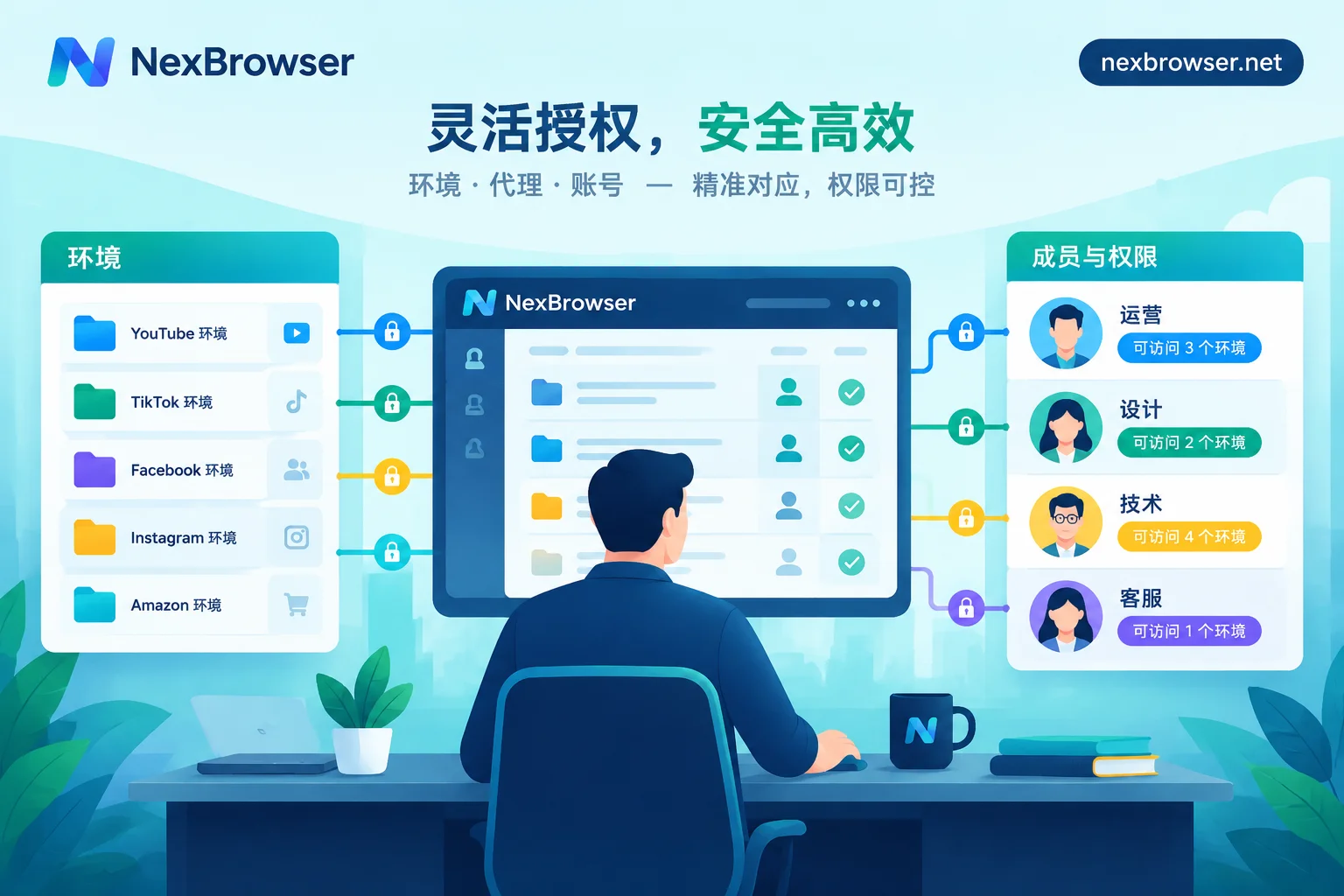
How to Allocate Environment Permissions in Team Fingerprint Browsers: Roles Control What Members Can Do, Groups Control What They Can Access
A complete guide to allocating fingerprint browser environment permissions in teams: first divide groups by handover units, then assign roles, and finally grant group permissions to members and verify with a test account. It also explains the prerequisites for password-free sharing, how to adjust when personnel are transferred or leave, and common configuration mistakes.
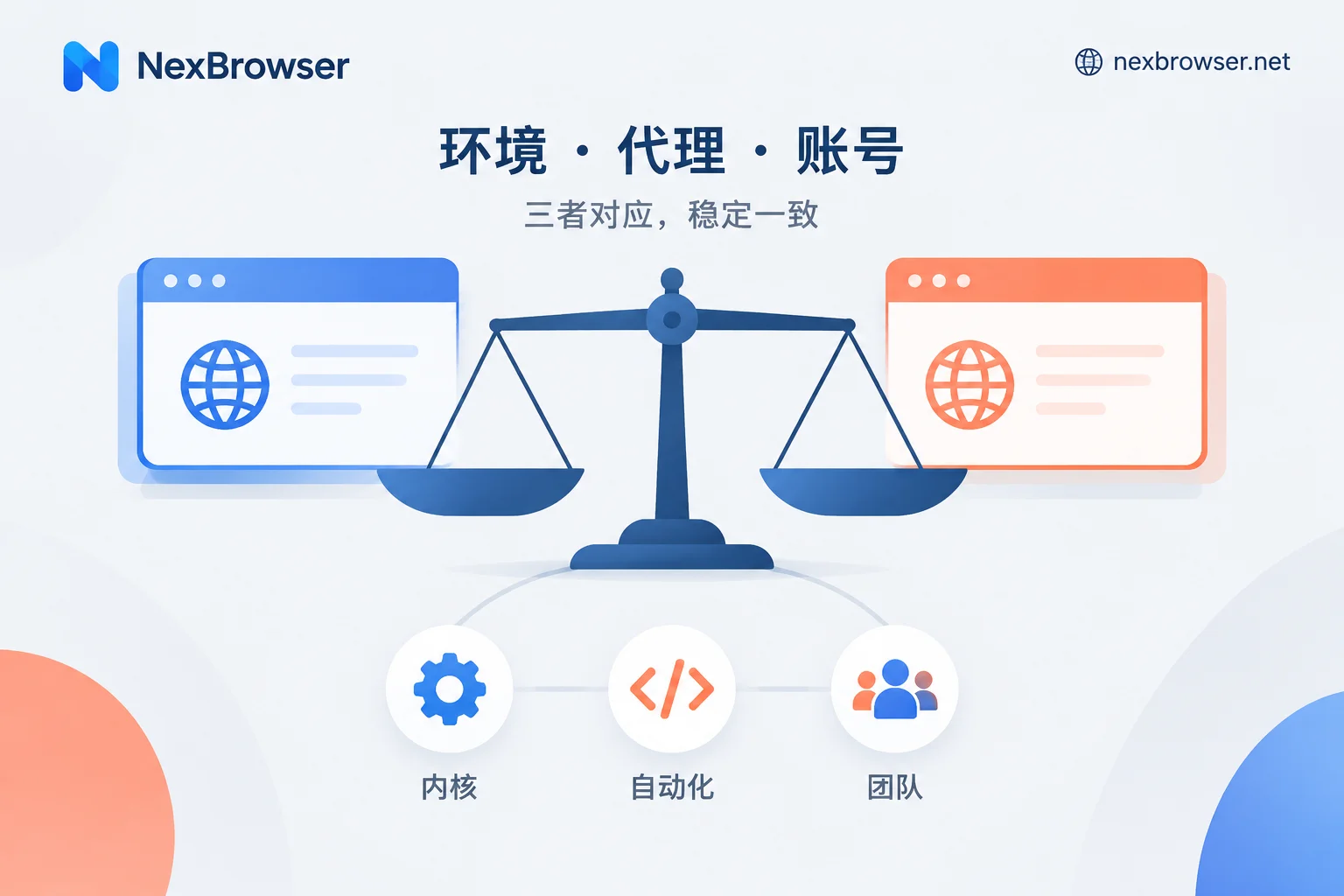
AdsPower vs RoxyBrowser: Choose by Kernel, Automation, and Team Needs, Then Verify with a Trial
AdsPower offers dual Chromium and Firefox kernels, a mature RPA template ecosystem, granular team permissions and auditing, and Windows, macOS, and Linux clients, while RoxyBrowser is Chromium-based, has a simpler interface, targets individuals and small teams, and supports AI control via MCP. This article compares them item by item across kernel, automation, team collaboration, and system platform, and provides a checklist you can complete during a trial to decide which one suits you.
AdsPower Alternatives: Clarify What You Want to Change, Then Choose by Scenario
Common AdsPower alternatives include Multilogin, GoLogin, Dolphin{anty}, Incogniton, and NexBrowser. This article maps common reasons for switching—cost, automation, OS platform, team collaboration—to suitable tools, then provides a method to validate with free tiers and migrate accounts in batches to avoid pitfalls.
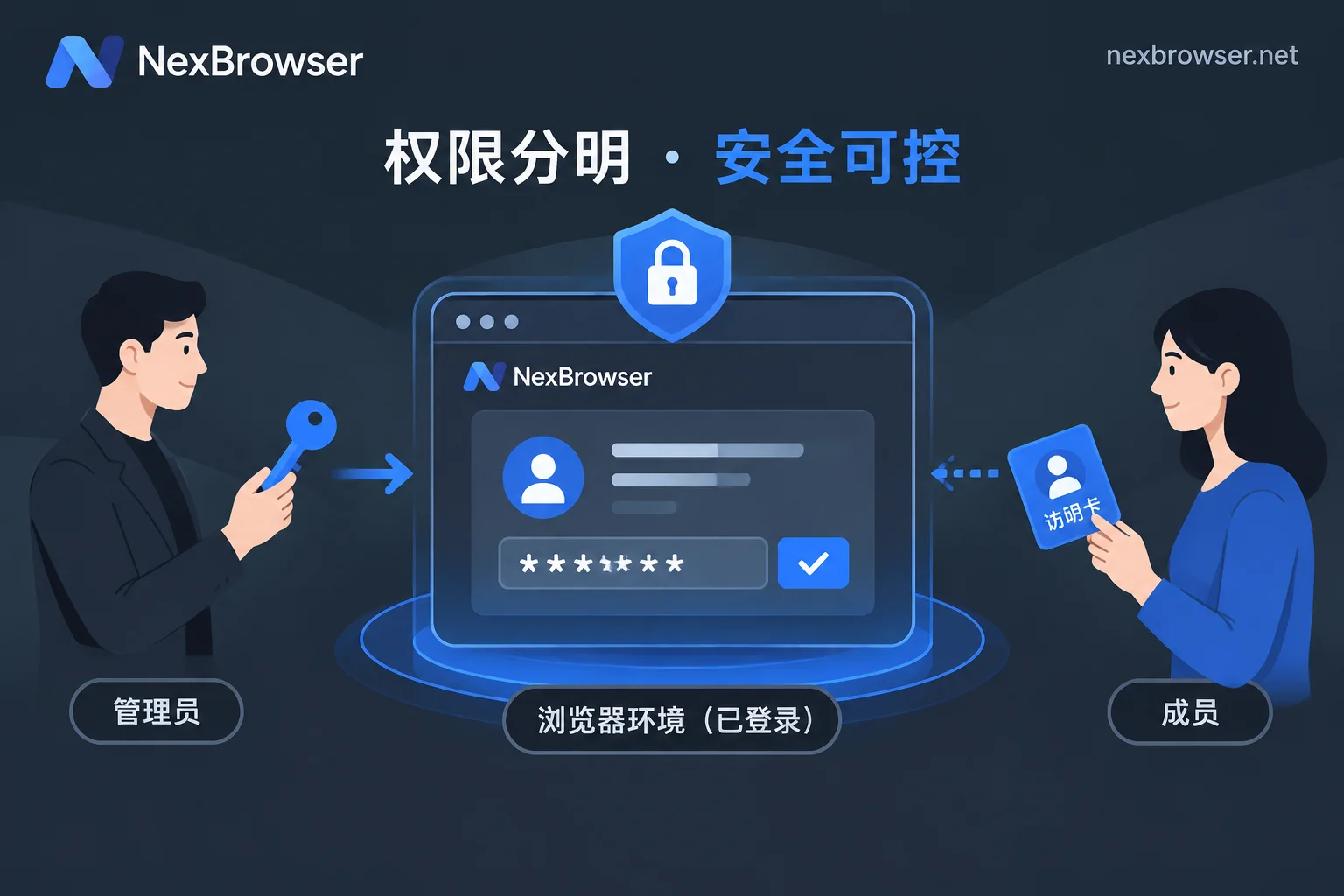
Let Members Log Into Environments Without Seeing Credentials: Distribute Sessions, Not Passwords
How to hand off accounts to operators or contractors by syncing the login session instead of the password, with admin setup order, permissions to disable for members, self-check steps, and offboarding.
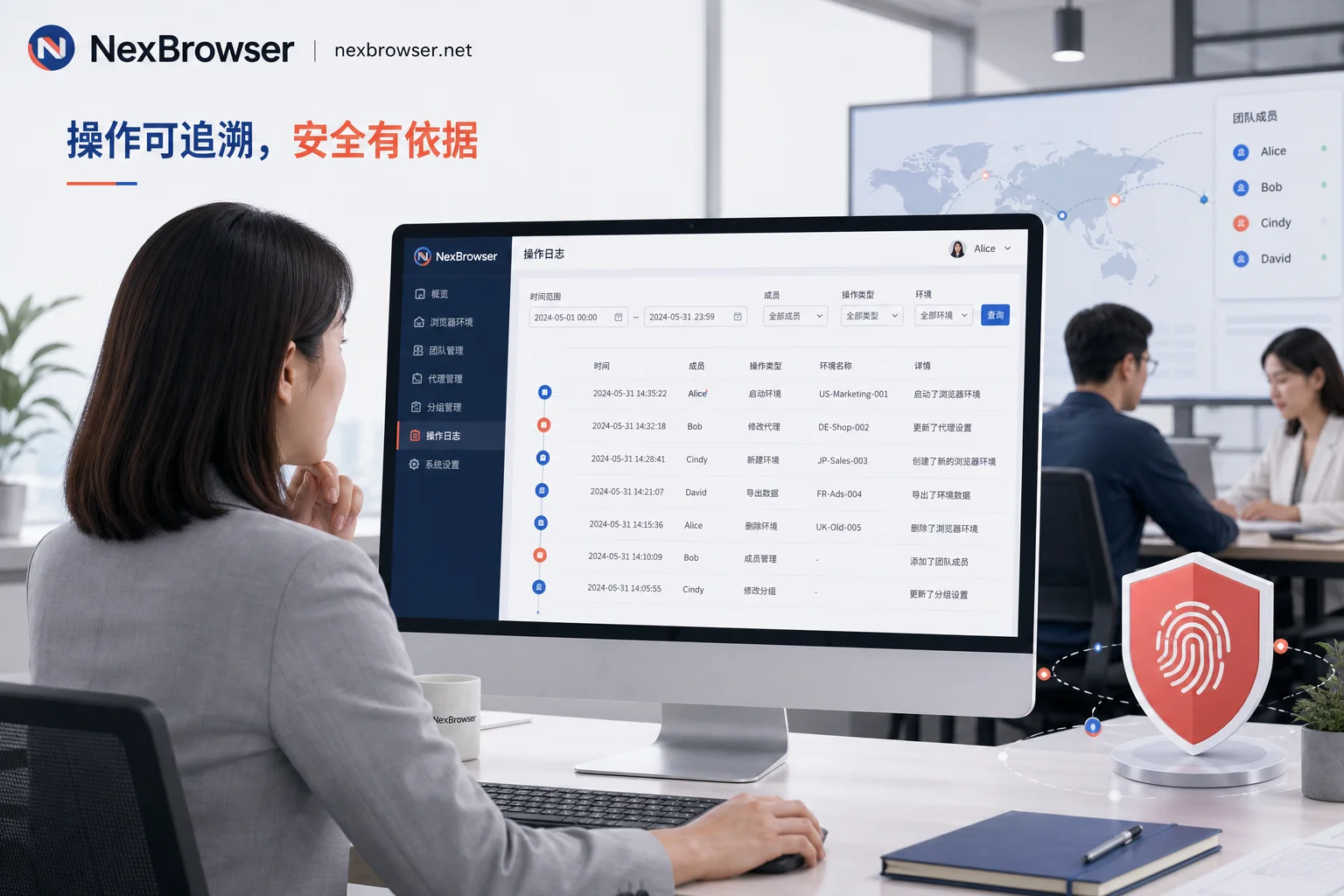
What Can the Log Audit Feature of a Multi-User Collaborative Anti-Detection Browser Find? Three Types of Records
The log audit feature of multi-user collaborative anti-detection browsers records three types of operations: environment lifecycle (window open/close), member and permission changes, and credential and proxy configuration modifications; it cannot see in-window page behavior. This article explains how to trace actions to individuals and steps.