 NexBrowser指纹浏览器-官方博客Blog
How Far Can a Free Fingerprint Browser Go: Run These Five Things and You're Set, Add Windows Only When These Four Signals Appear
The value of a free tier is that it lets you fully validate five things without paying: environment isolation, per-environment proxy binding, fingerprint consistency, script takeover, and machine migration restore. The time to actually add windows is not when account numbers grow, but when you start deleting old environments to make room, need concurrent batch operations, need to hand environments to colleagues, or move scripts from serial to parallel.
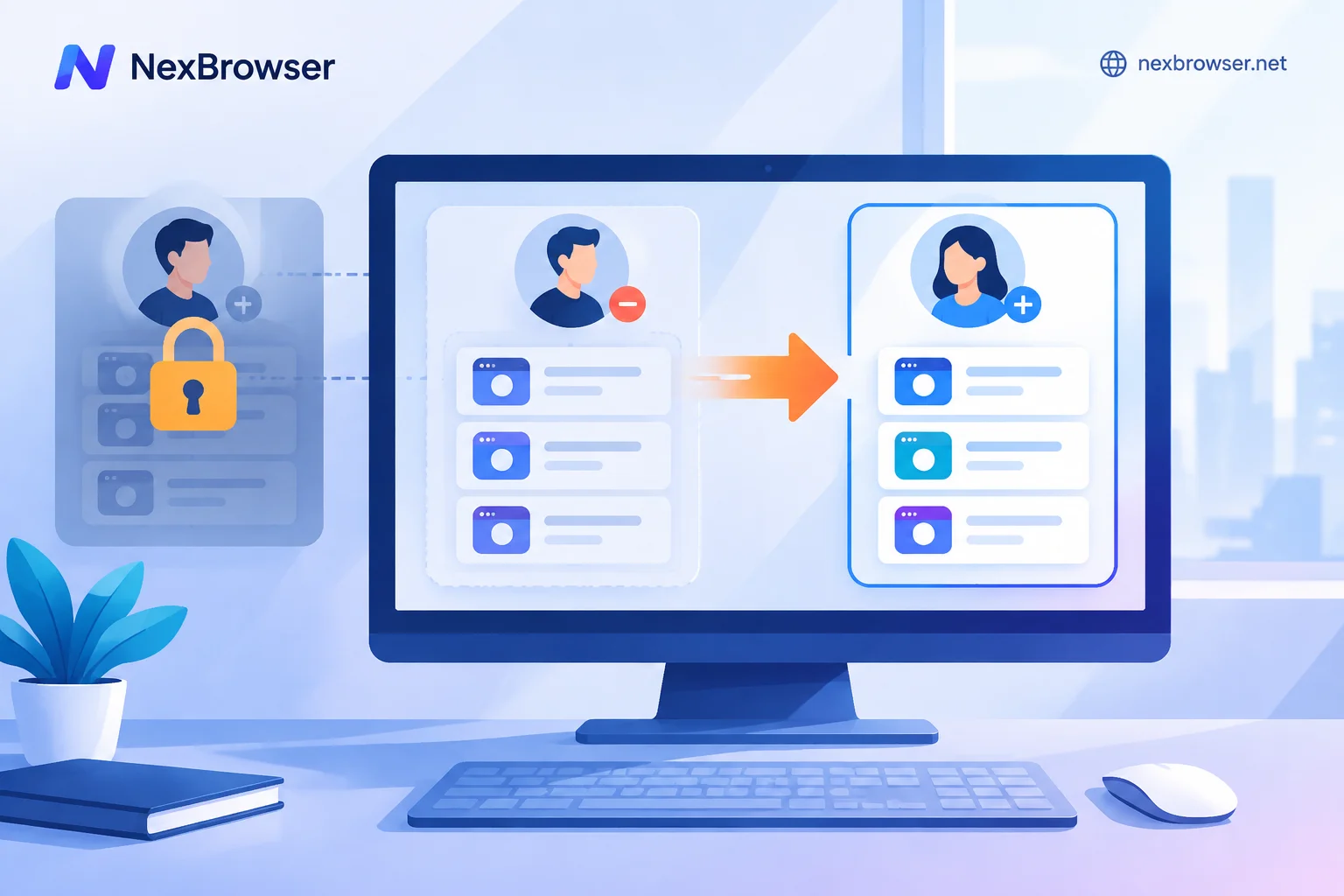
How to Reclaim Browser Environments and Permissions After an Employee Leaves: First Cut Seats, Then Transfer Groups, Finally Change Platform Passwords
The most risky order in offboarding is changing platform passwords first; a safer approach is to cut the member's seat in the workspace, transfer environment groups to the successor, then handle sessions and credentials per platform rules, and finally clean up peripheral assets like scripts, APIs, and proxies.
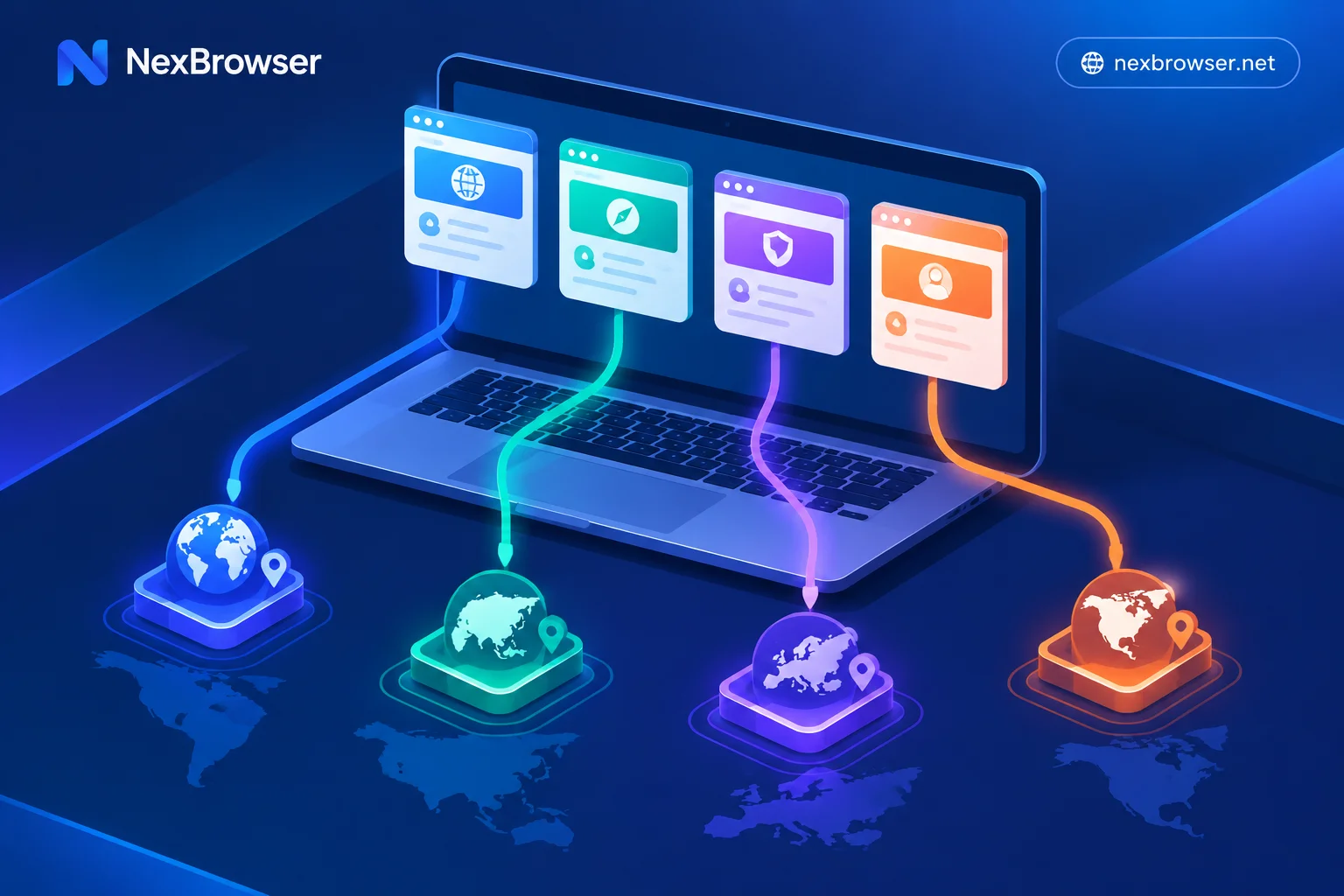
How to Choose an Antidetect Browser: Don't Chase Rankings, First Verify These Four Things on the Free Tier
Rankings aren't verifiable, so ignore them. What actually determines whether a browser works for you are four checkable things: free-tier feature cuts, API paywalls, the level of environment isolation, and whether setups survive migration and handover.
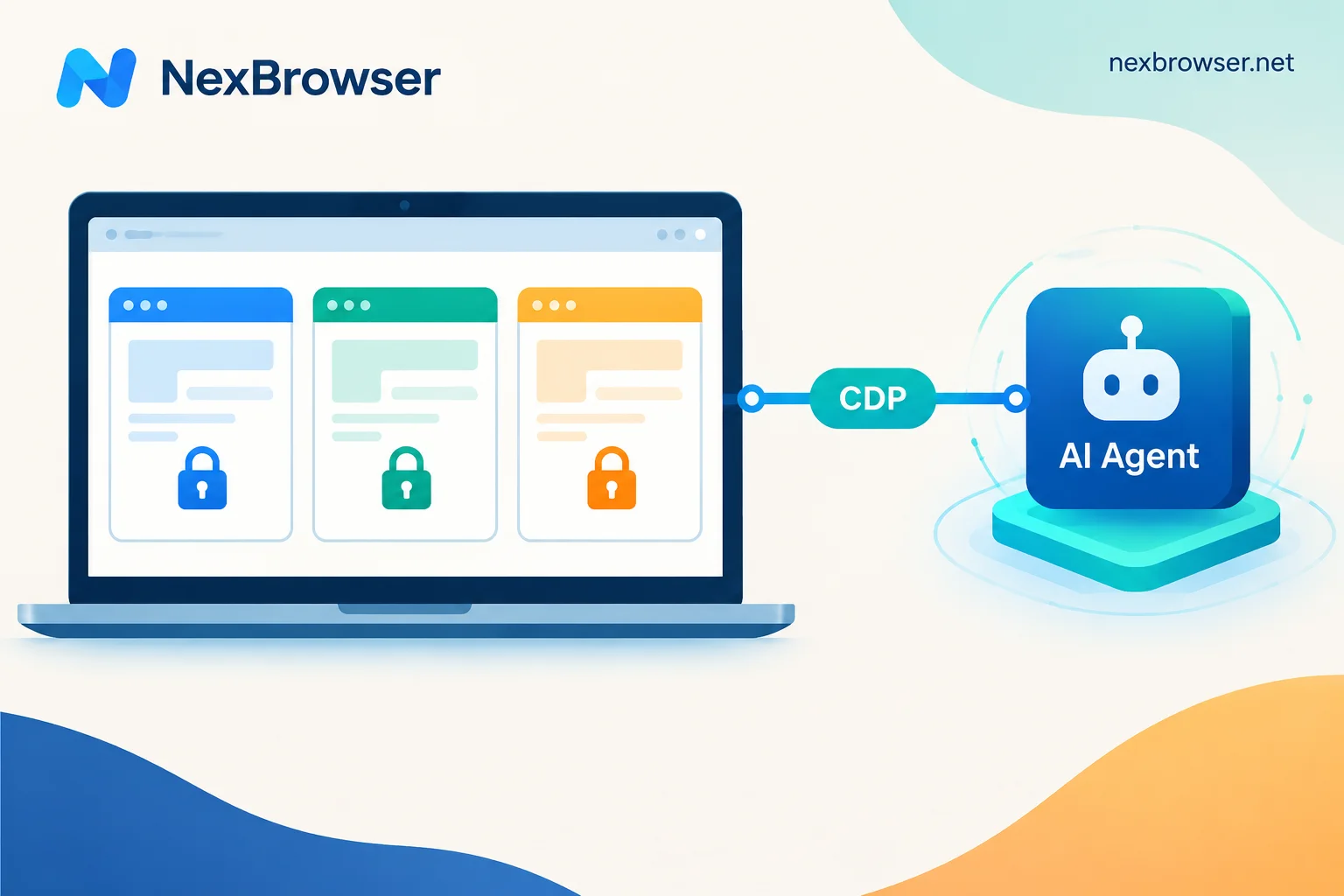
How to Connect browser-use and Playwright MCP to an Antidetect Browser: Using CDP to Attach to an Already-Launched Environment
Connect AI agents to an antidetect browser via CDP: launch a specific environment with Local API, feed the CDP endpoint to browser-use or Playwright MCP, and verify the proxy exit and fingerprint actually take effect.
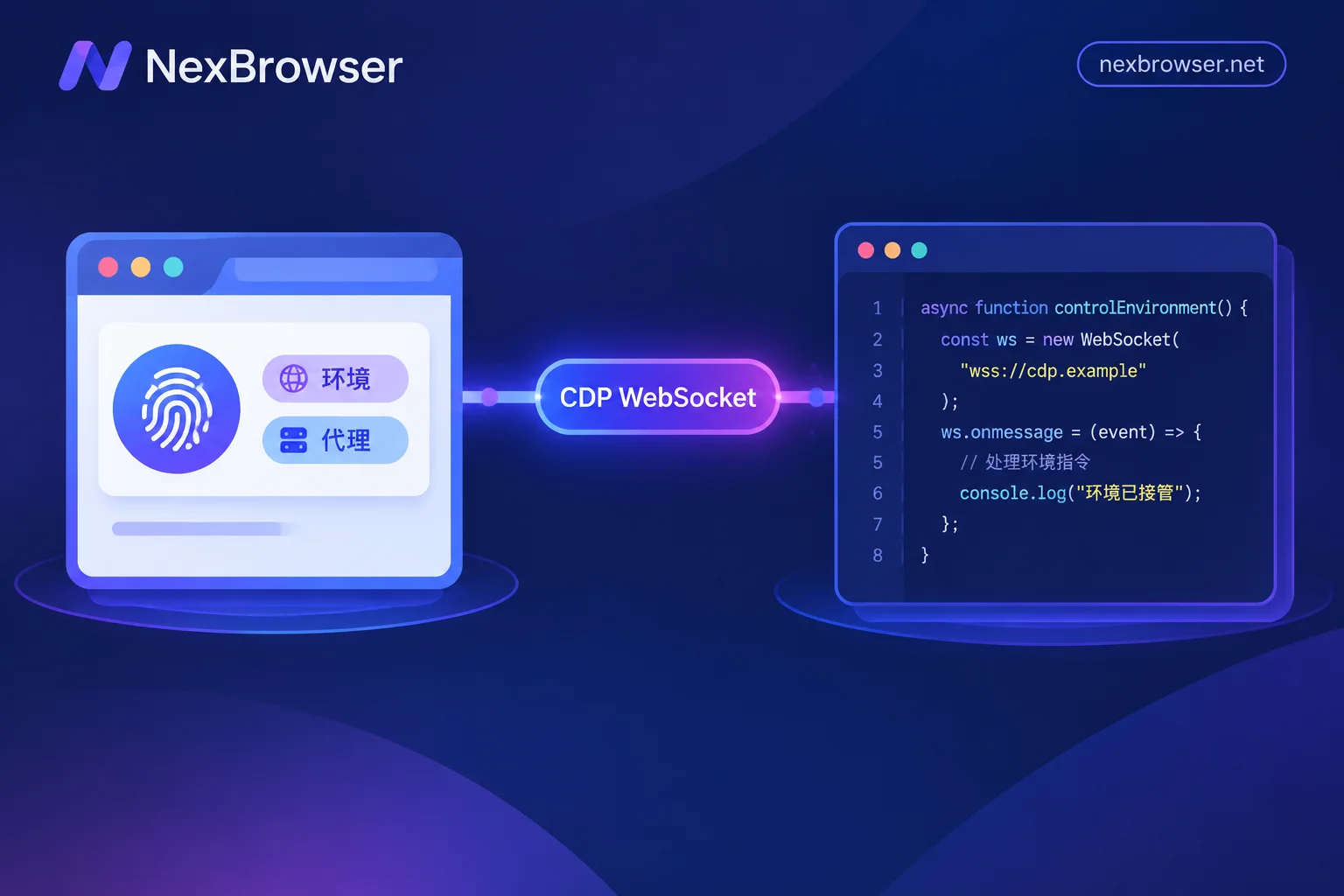
Puppeteer / Playwright Take Over a Fingerprint Browser Environment: Connect, Don't Launch
To run scripts in an environment already configured with fingerprints, proxies, and login sessions, start the target environment via Local API to obtain the CDP debug address, then attach with puppeteer.connect() or chromium.connectOverCDP(). This article covers the complete action sequence, differences between the two frameworks, three checks after attaching, and whether to disconnect or close the environment at the end.