 NexBrowser指纹浏览器-官方博客Blog
How Far Can a Free Fingerprint Browser Go: Run These Five Things and You're Set, Add Windows Only When These Four Signals Appear
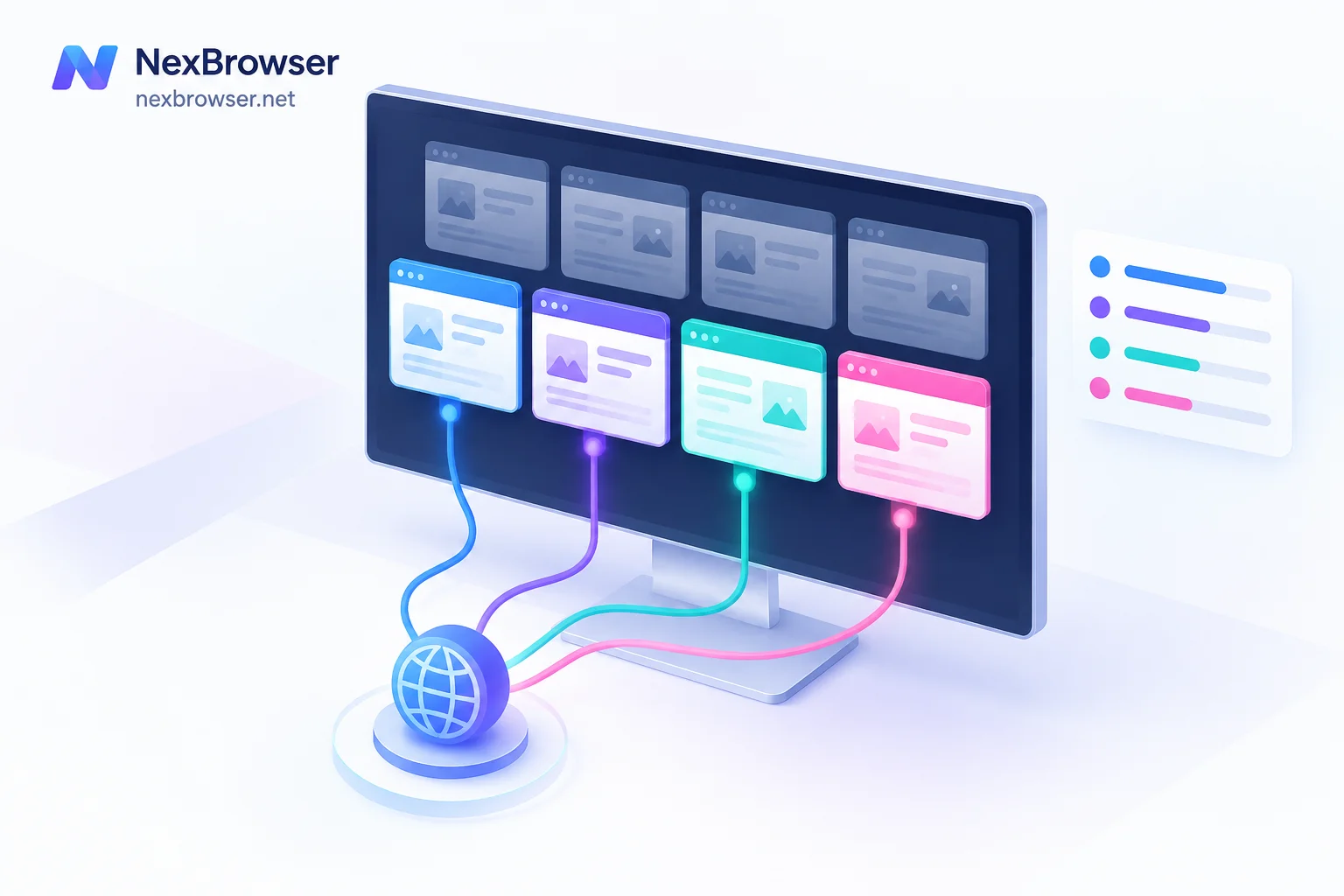
The value of a free tier is that it lets you fully validate five things without paying: environment isolation, per-environment proxy binding, fingerprint consistency, script takeover, and machine migration restore. The time to actually add windows is not when account numbers grow, but when you start deleting old environments to make room, need concurrent batch operations, need to hand environments to colleagues, or move scripts from serial to parallel.
How to Save Browser Environments as Templates for Batch Replication: Three Methods with Fixed Baseline and Independent Fingerprints
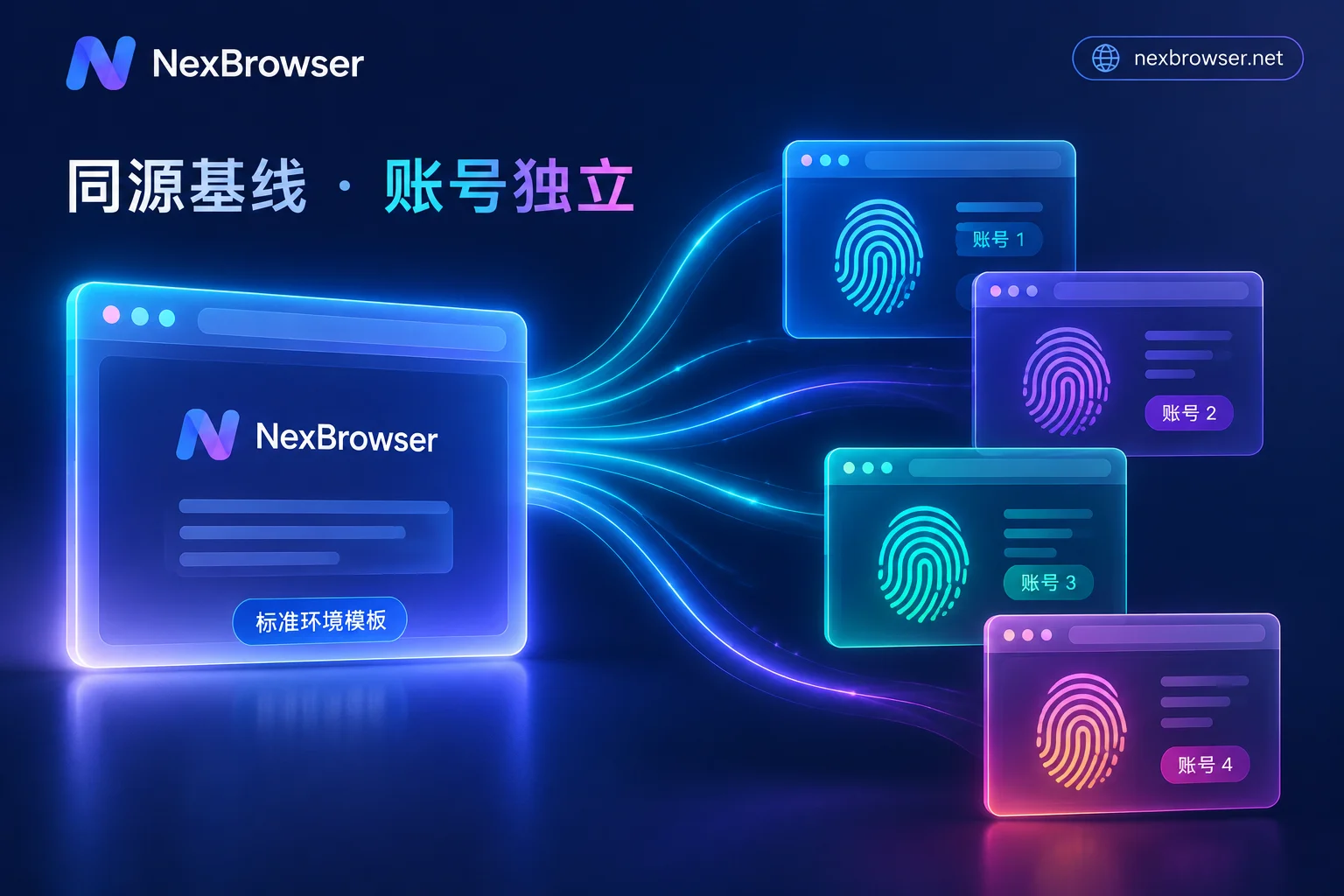
The key to saving anti-detect browser environments as templates and batch replicating them is to separate two layers: templates only store the business baseline such as OS, kernel version, and extension configuration, while each derived environment automatically generates an independent and consistent hardware fingerprint and proxy IP. The article presents three practical approaches: quick client-side derivation, Excel batch import, and Local API script creation, along with essential proxy connectivity and fingerprint consistency verification steps after batch generation.
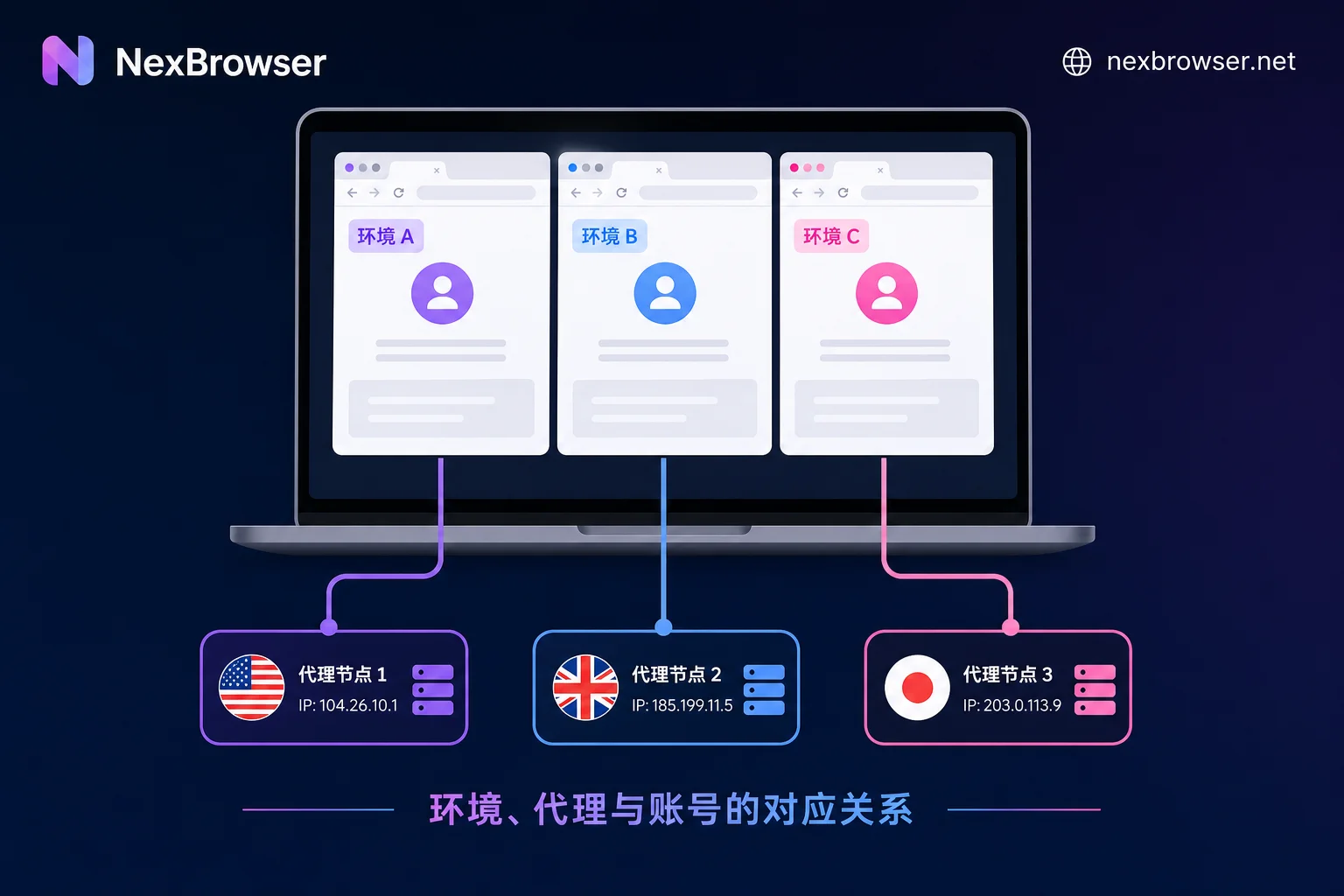
How to Bind a Proxy Separately for Each Environment in a Fingerprint Browser: From Entry to Exit Verification
A complete guide to binding proxies per environment: prepare protocol, host, port, and authentication; enter and test in each environment's proxy settings; verify exit IP, timezone, and WebRTC after launch; use batch import and template cloning for multiple environments; troubleshoot common connection failures.