 NexBrowser指纹浏览器-官方博客Blog
What Can the Log Audit Feature of a Multi-User Collaborative Anti-Detection Browser Find? Three Types of Records
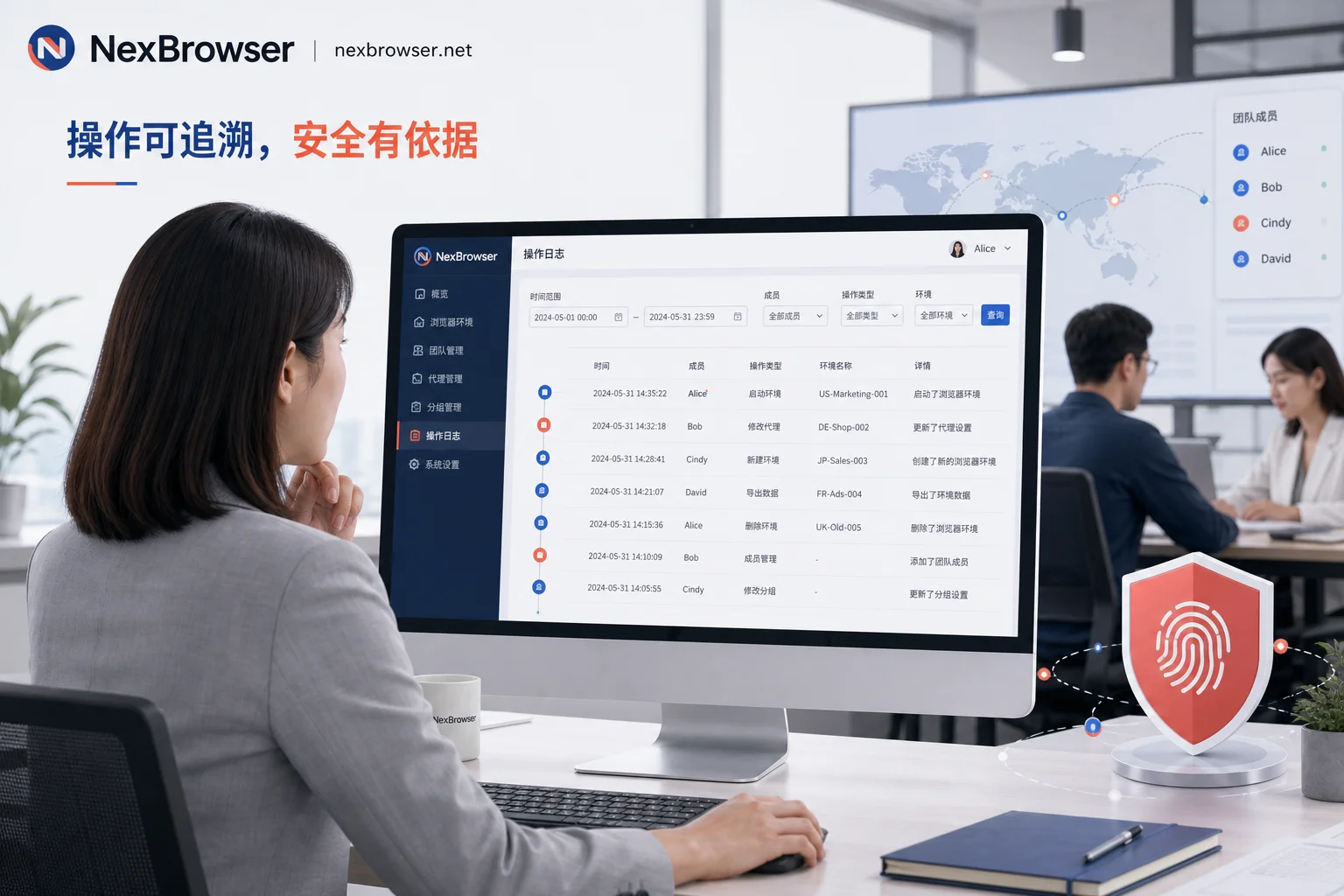
The log audit feature of multi-user collaborative anti-detection browsers records three types of operations: environment lifecycle (window open/close), member and permission changes, and credential and proxy configuration modifications; it cannot see in-window page behavior. This article explains how to trace actions to individuals and steps.
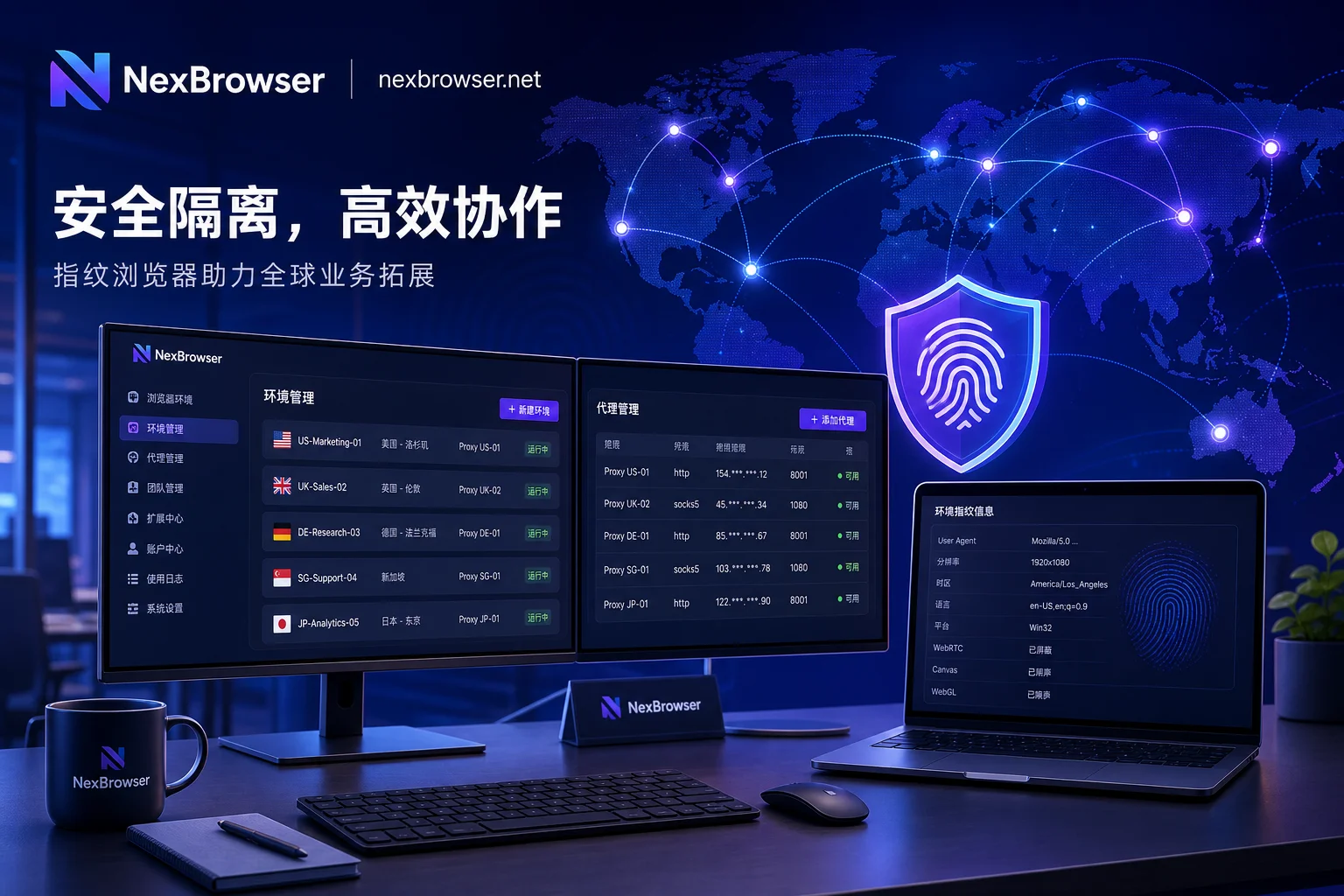
Combining Static Residential IPs and Dynamic Proxies in Fingerprint Browsers: Classify by Session Attributes
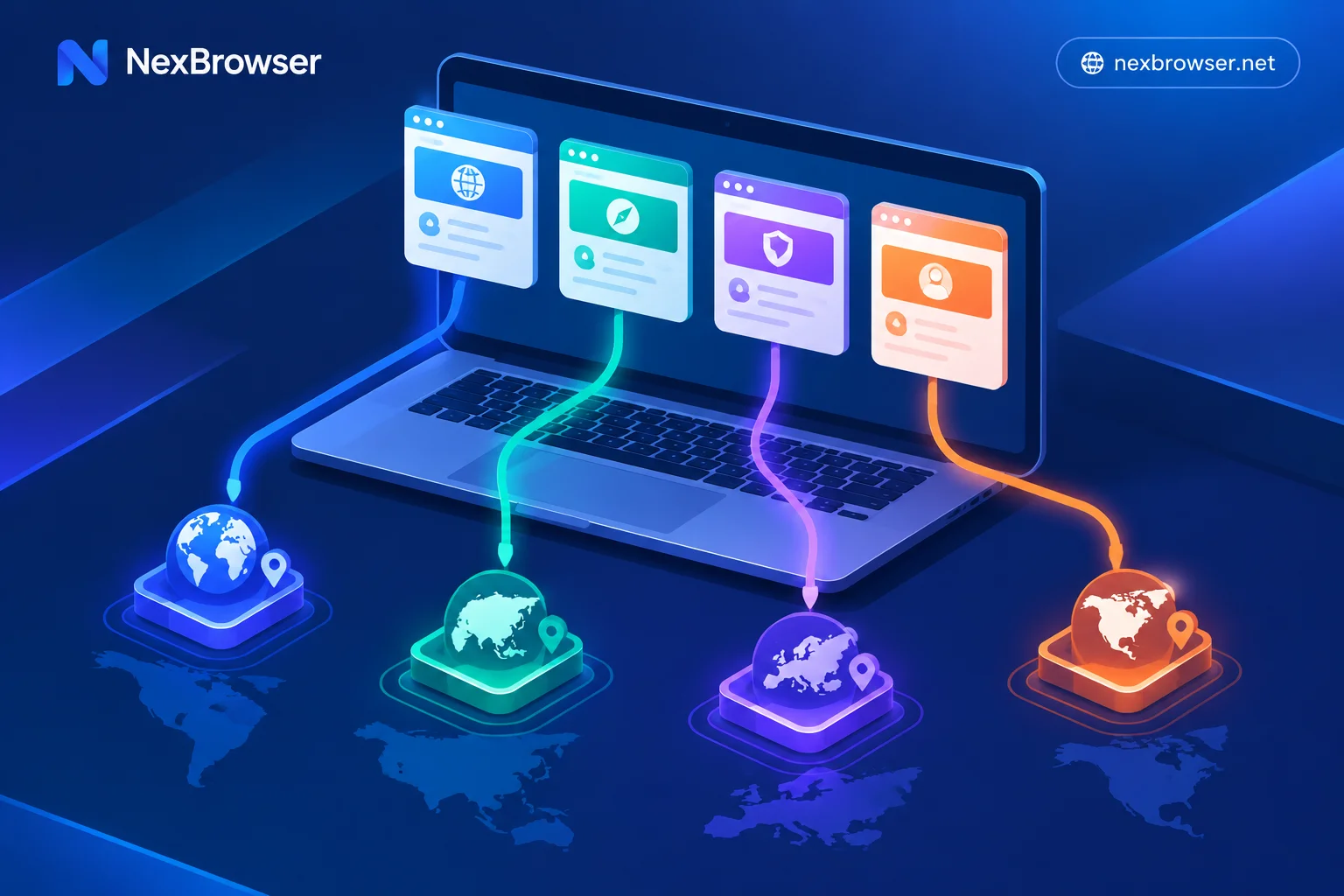
This guide explains how to combine static residential IPs and dynamic proxies in fingerprint browsers, based on whether switching exit IP mid-task would break a logged-in session.

How to Prevent Association in Multi-Store Shopify Management? Two Key Lines
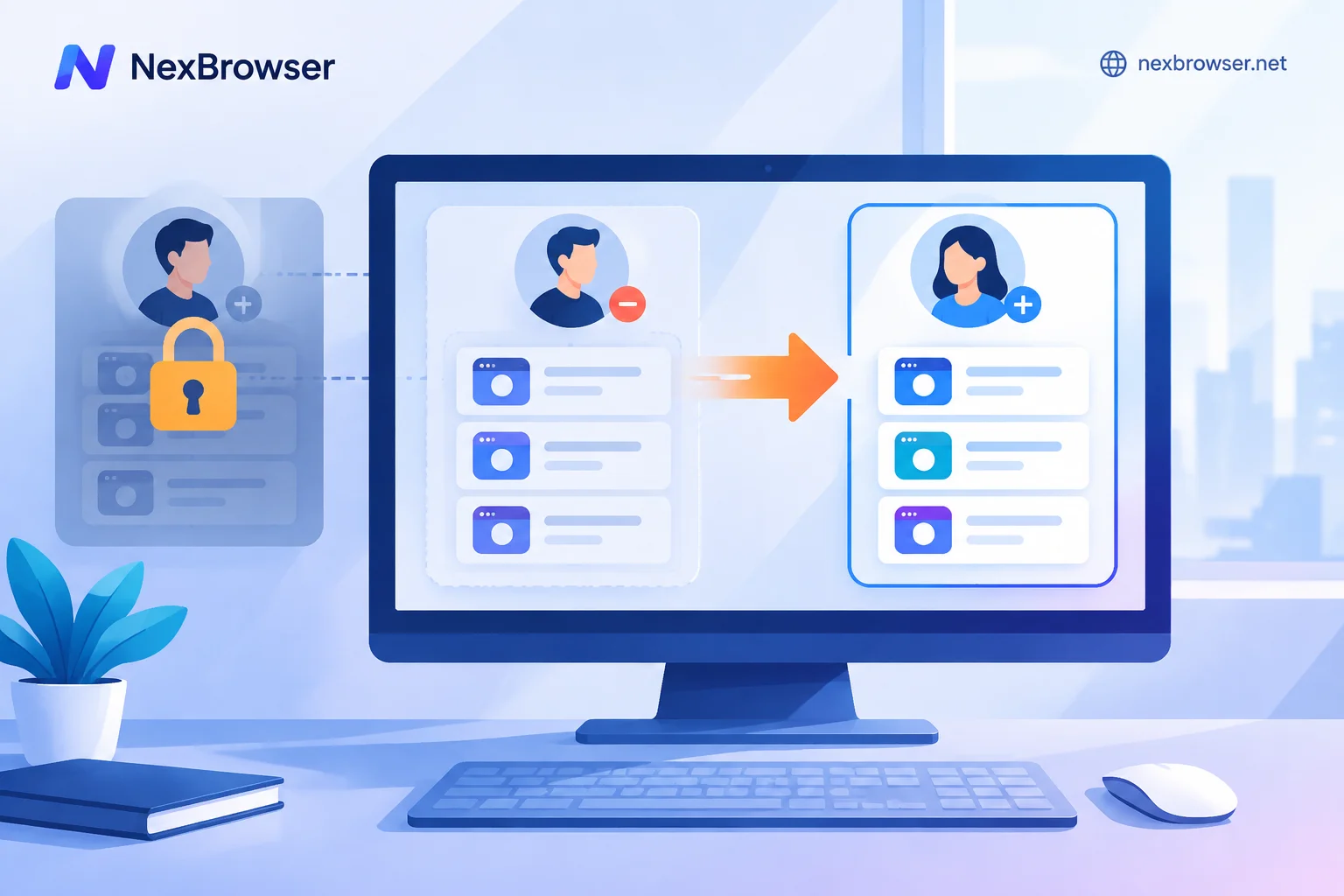
Preventing association in multi-store Shopify management requires two parallel tracks: official permissions (authorization line) control who can access what, while isolated browser environments (login line) separate device and network traces.
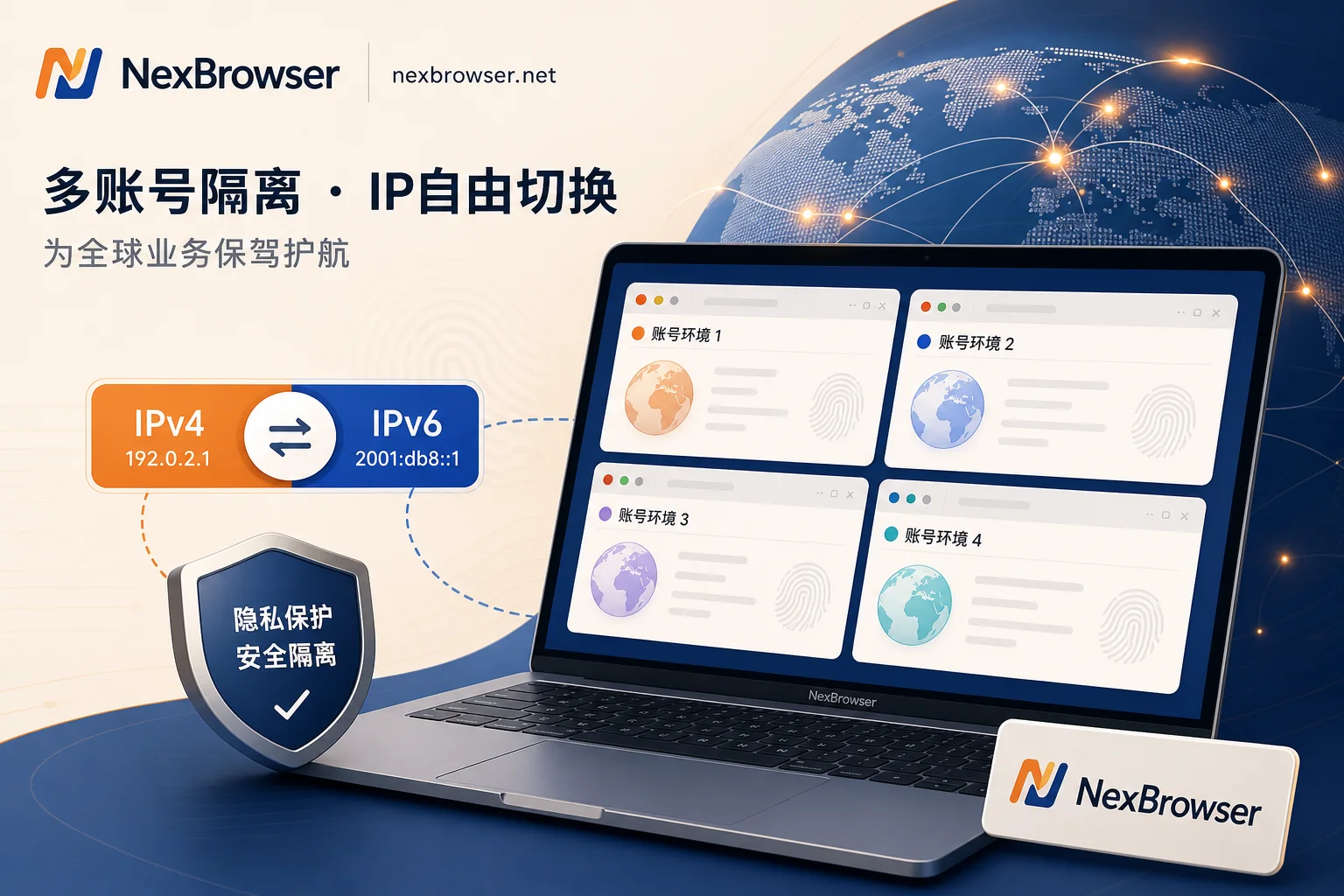
Is IPv6 Proxy Feasible for Cross-Border Multi-Account Isolation? Start with Three Failure Modes
IPv6 proxies offer low costs but face three failure modes—endpoint incompatibility, dual-stack fallback, and subnet concentration—making them suitable only for short-term tasks without reputation concerns.
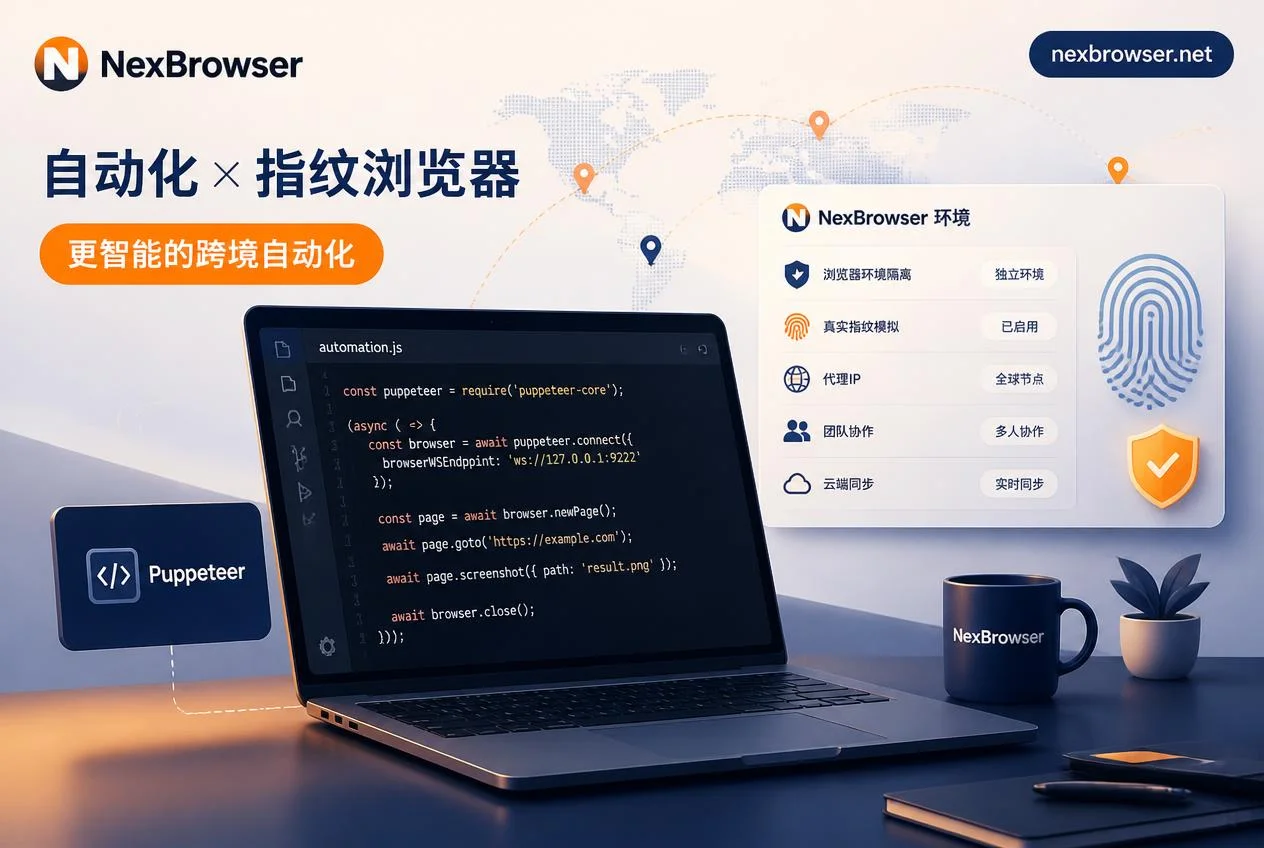
Integrating Puppeteer with Fingerprint Browsers for Compliant Automation: 5 Checks
Puppeteer with stealth plugins still gets detected because detection targets the CDP protocol layer, not page JS; this article offers 5 verifiable checks and capability boundaries for takeover integration.