 NexBrowser指纹浏览器-官方博客Blog
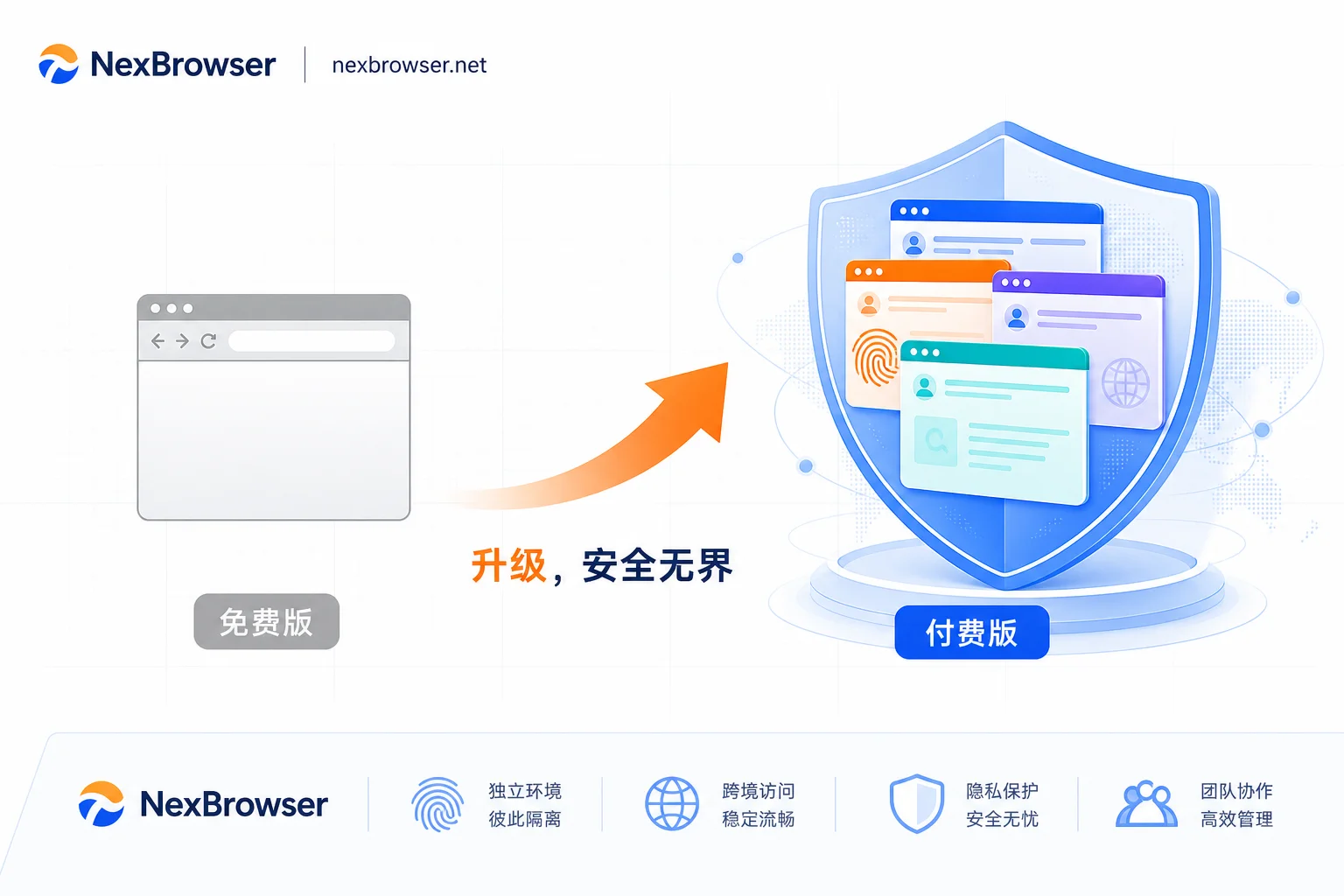
Fingerprint Browser Free vs Paid: Core Feature Comparison—Don't Just Look at Environment Count
Many operators mistakenly believe the only difference between free and paid fingerprint browsers is the number of environments, leading to frequent setbacks in team collaboration or automated scripts. This article breaks down the four-layer capability gaps—kernel updates, proxy binding granularity, team audit logs, and automation APIs—using the August 2026 Chrome 151 discontinuity as a case study to help cross-border sellers decide when upgrading is essential.
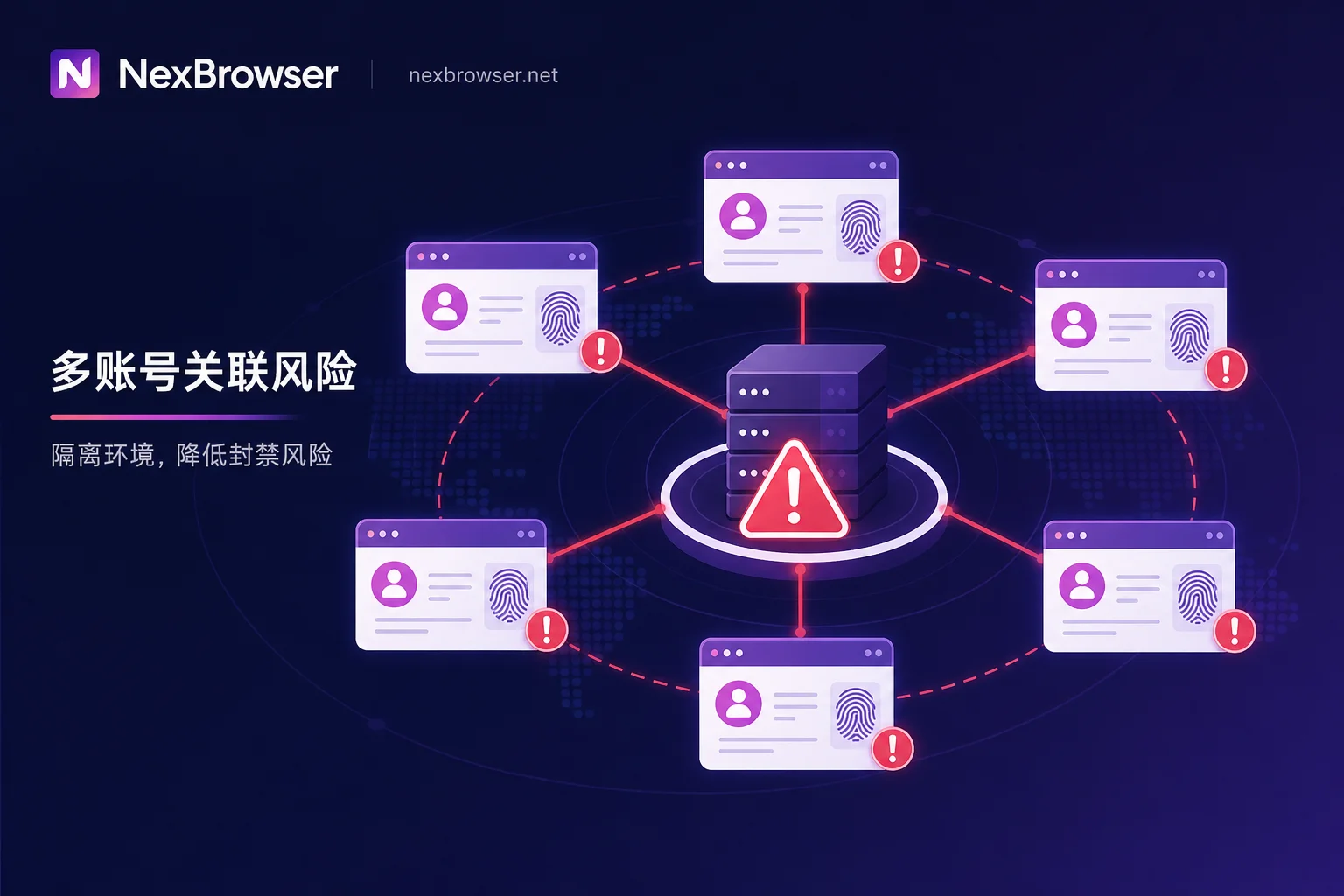
Claude Account Anti-Ban Multi-Environment Operations Configuration and Verification Response Guide
A practical guide to preventing Claude account bans by isolating environments, using static residential IPs, and responding correctly to identity verification triggers, based on a real case analysis.
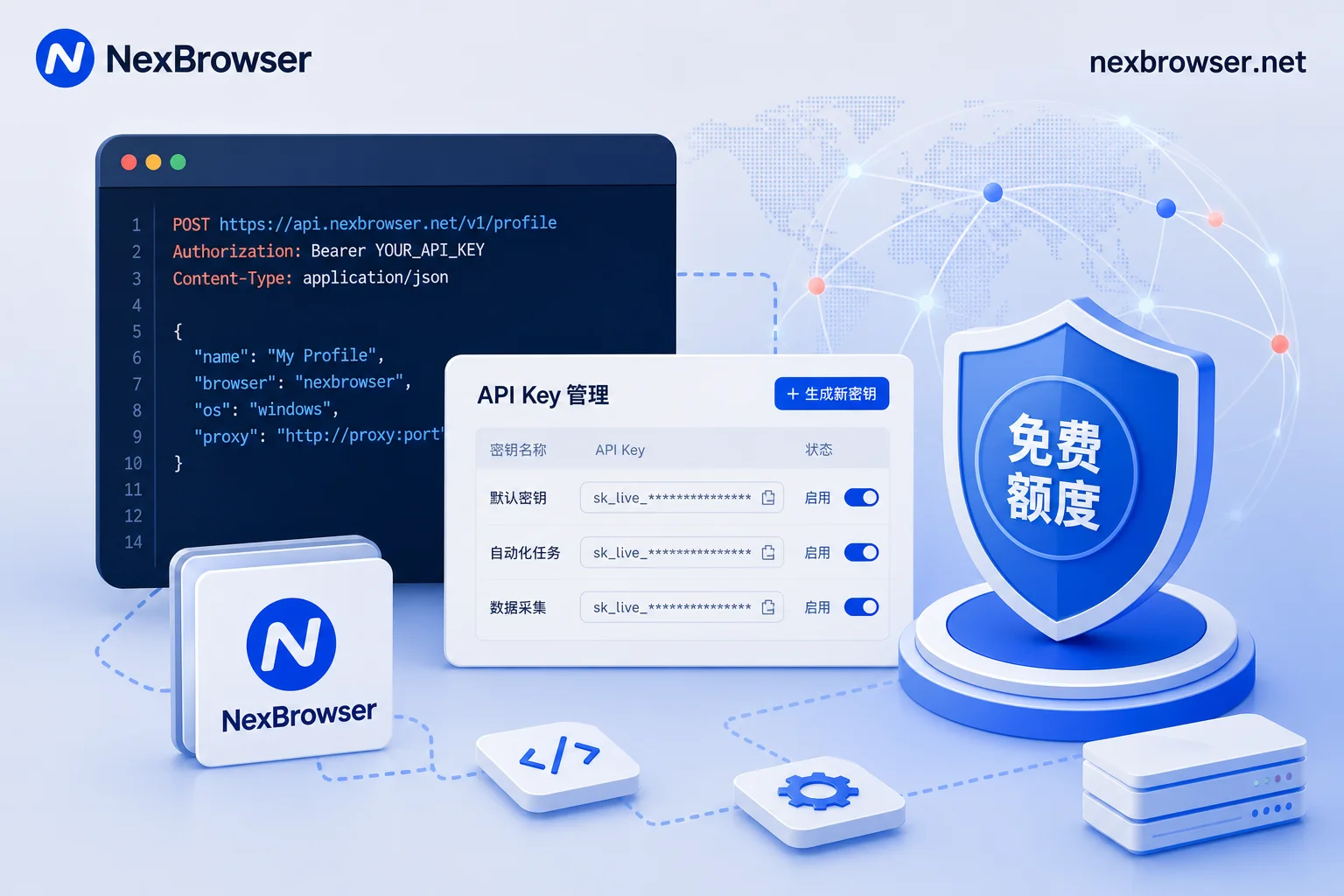
How Much Free Credit Does Grok 4.6 API Offer? 5 Pre-Registration Environment Checks
New xAI developer accounts receive a one-time $25 testing credit. This article covers eligibility, validity, a pre-registration environment checklist, and common misconceptions.
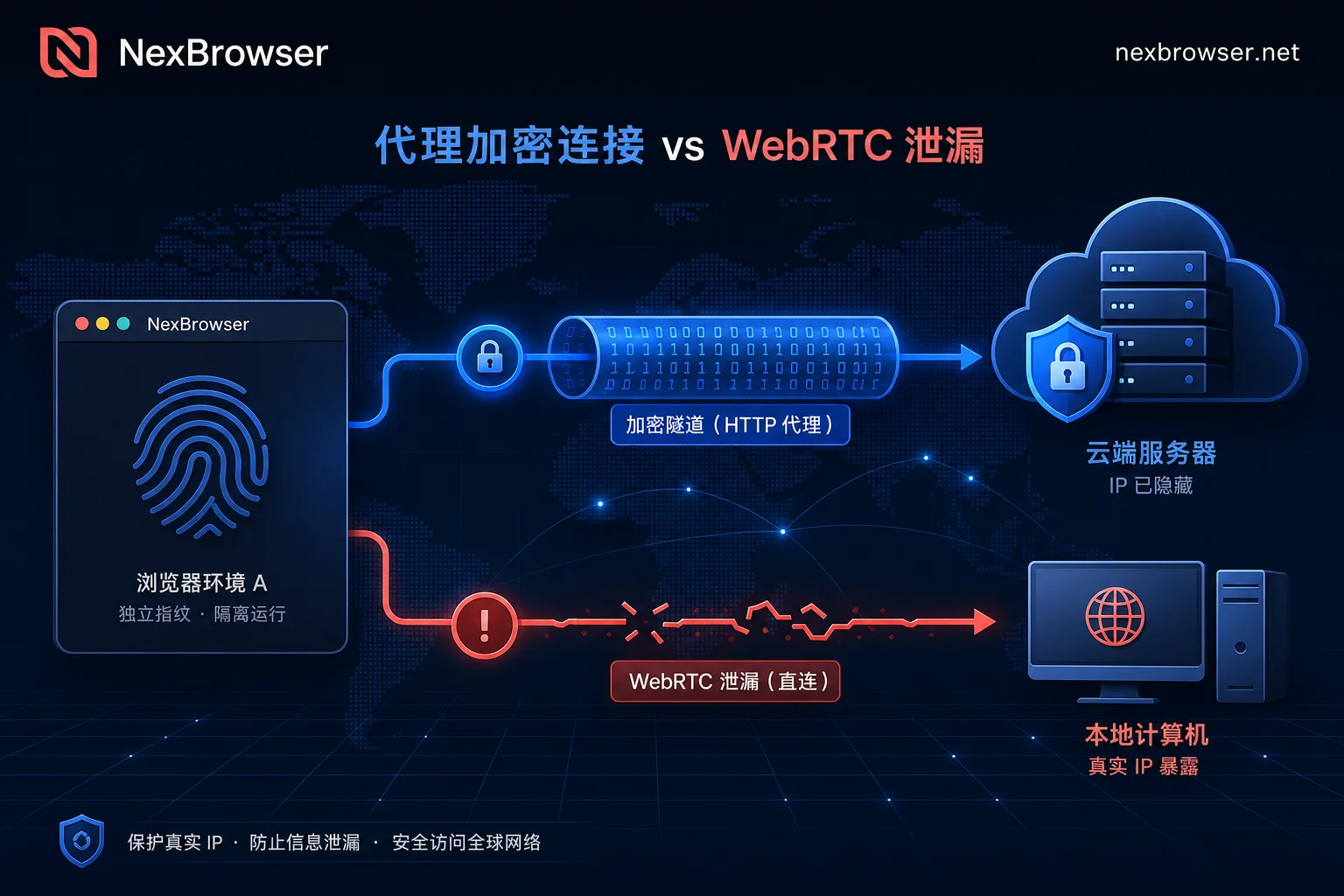
Bound Proxy but Exit IP Still Local? WebRTC and UDP Channel Troubleshooting Guide
This article explains why fingerprint browsers may show a local IP via WebRTC even when HTTP proxy is correctly set, covering SOCKS5 UDP association, Chrome enterprise policies, and VPN routing conflicts, with layered troubleshooting steps.
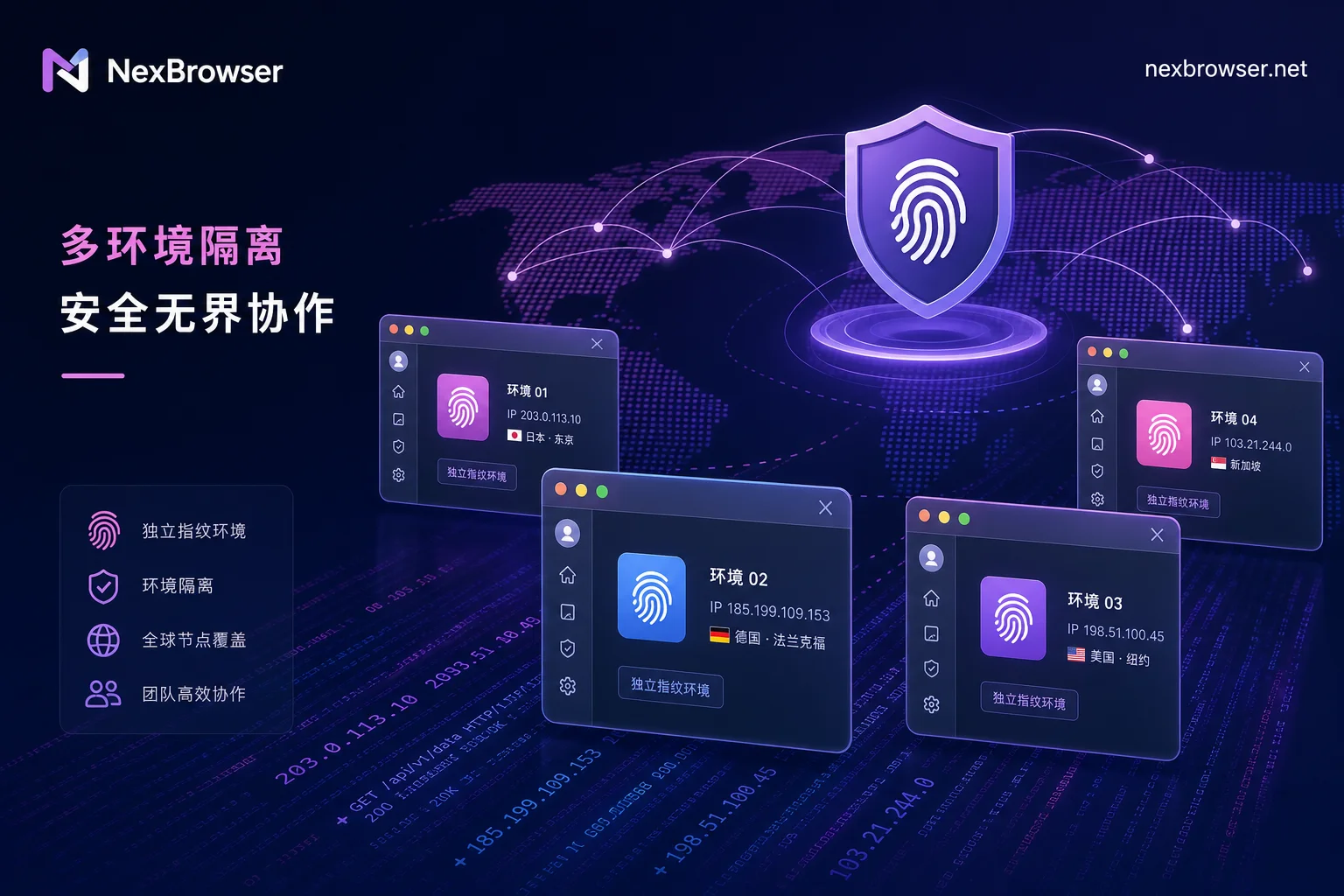
What to Test During the Fingerprint Browser Trial: 6 Hands-On Tests
With trial time limited, don't just rely on detection site scores. This article breaks down the time costs of installation, environment setup, and re-testing, focusing on six reproducible tests: kernel version, proxy egress, WebRTC, timezone linkage, API takeover, and proxy type, to help you determine if the tool can support your account scale.