 NexBrowser指纹浏览器-官方博客Blog
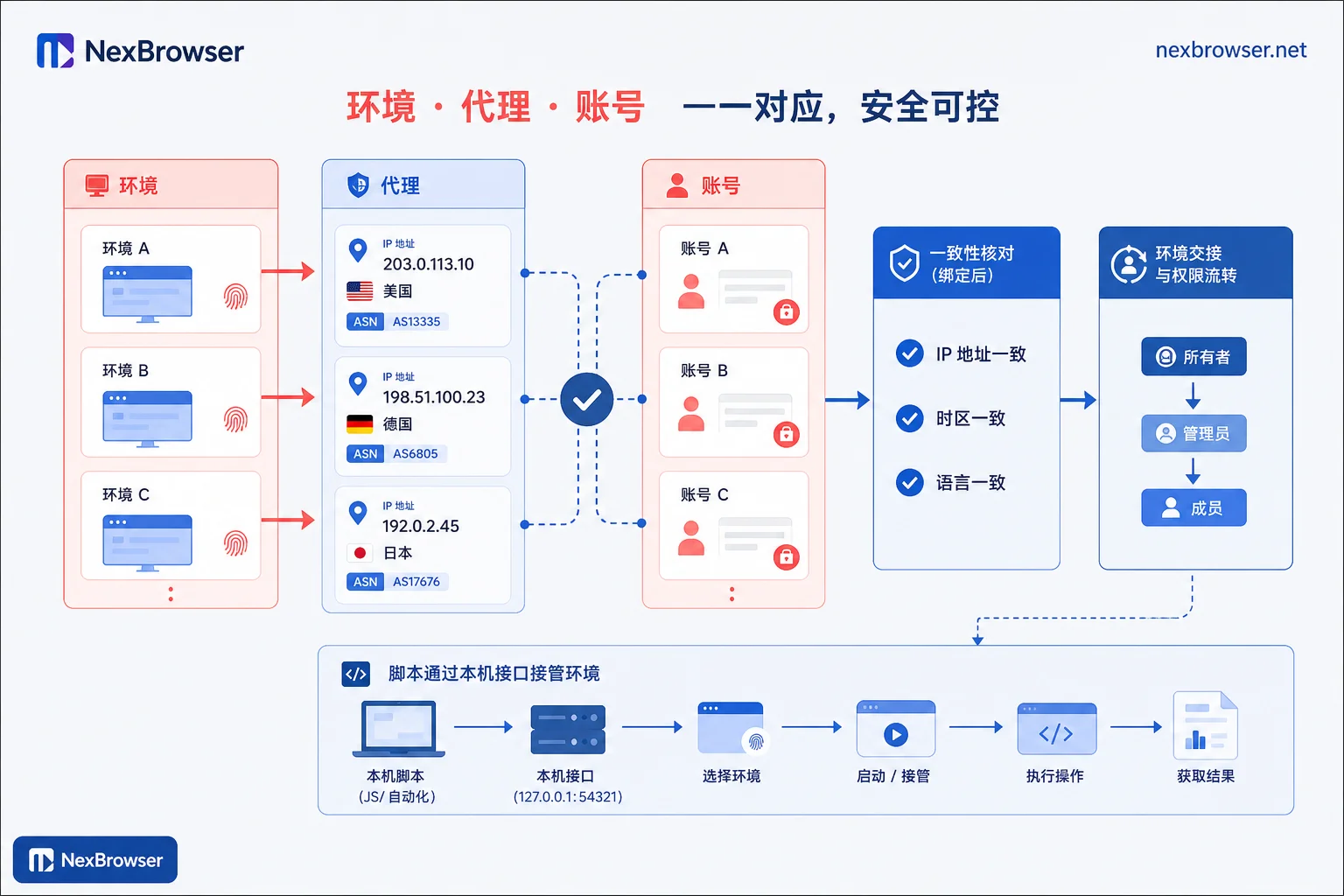
After Binding a Proxy, How to Confirm the Exit Location Matches Timezone and Language: A Three-Layer Verification Sequence
After binding a proxy, don't log in directly—run a three-layer verification (network exit, leaks, browser JS timezone and language) to catch mismatches and know how to fix them.
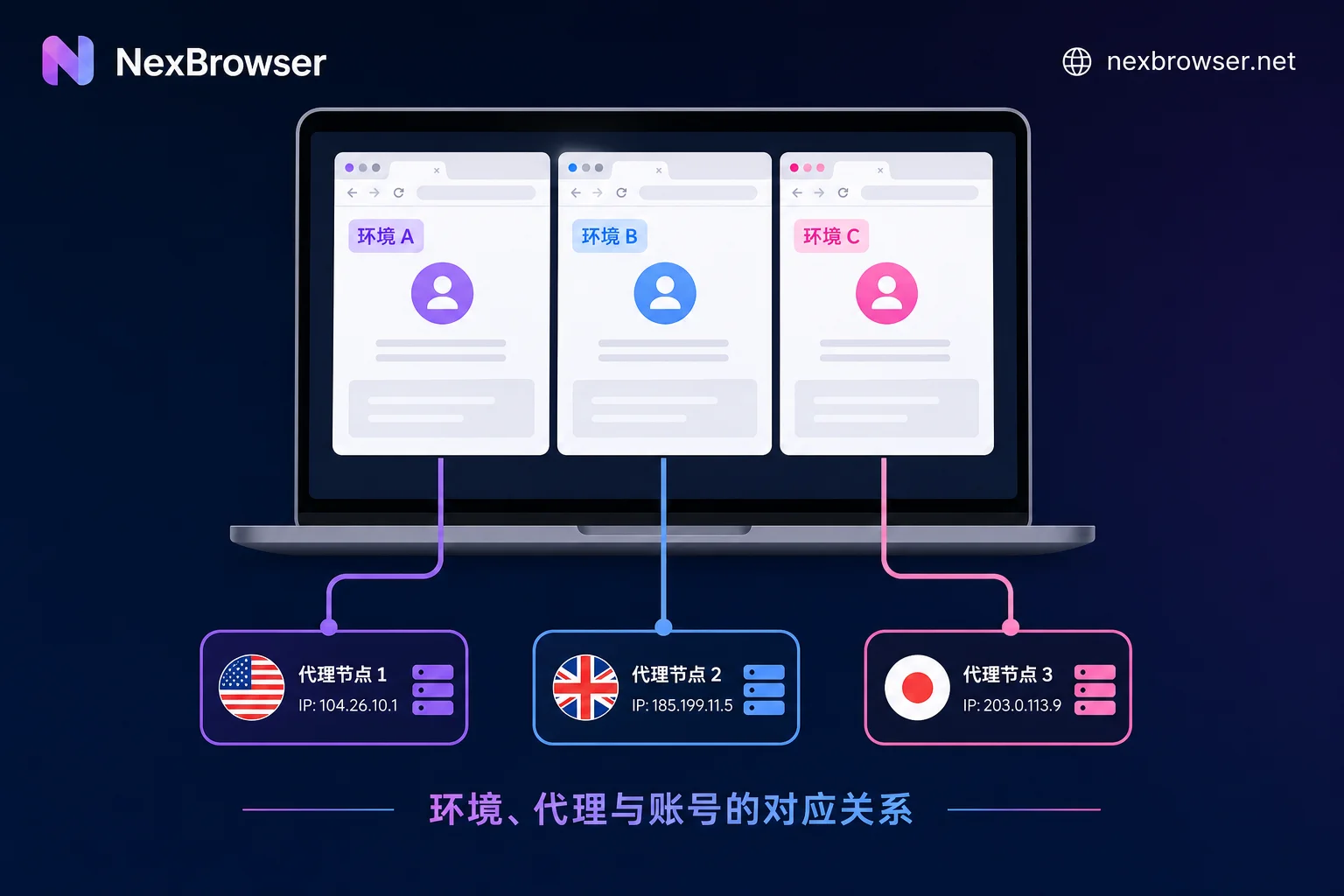
How to Bind a Proxy Separately for Each Environment in a Fingerprint Browser: From Entry to Exit Verification
A complete guide to binding proxies per environment: prepare protocol, host, port, and authentication; enter and test in each environment's proxy settings; verify exit IP, timezone, and WebRTC after launch; use batch import and template cloning for multiple environments; troubleshoot common connection failures.

Still Getting Account Associations After Browser Environment Isolation? Troubleshoot in Four Layers
Environment isolation ensures runtime container independence, but account associations often occur at network egress, proxy quality, fingerprint logic, and business metadata. This article provides a step-by-step troubleshooting order from low to high cost, including methods for checking WebRTC and DNS leaks, proxy C-class subnet and reputation, UA and WebGL conflicts, timezone and language consistency, and reuse of payment and verification channels.

Managing Cross-Border Account Risk for Remote Logins: Three-Layer Consistency for Environment Synchronization
When team members log into the same cross-border account from different cities or devices, platforms observe network egress, device fingerprint, and session state. This article provides a synchronization sequence, checklist, and troubleshooting approach for maintaining stable login environments during multi-person collaboration.
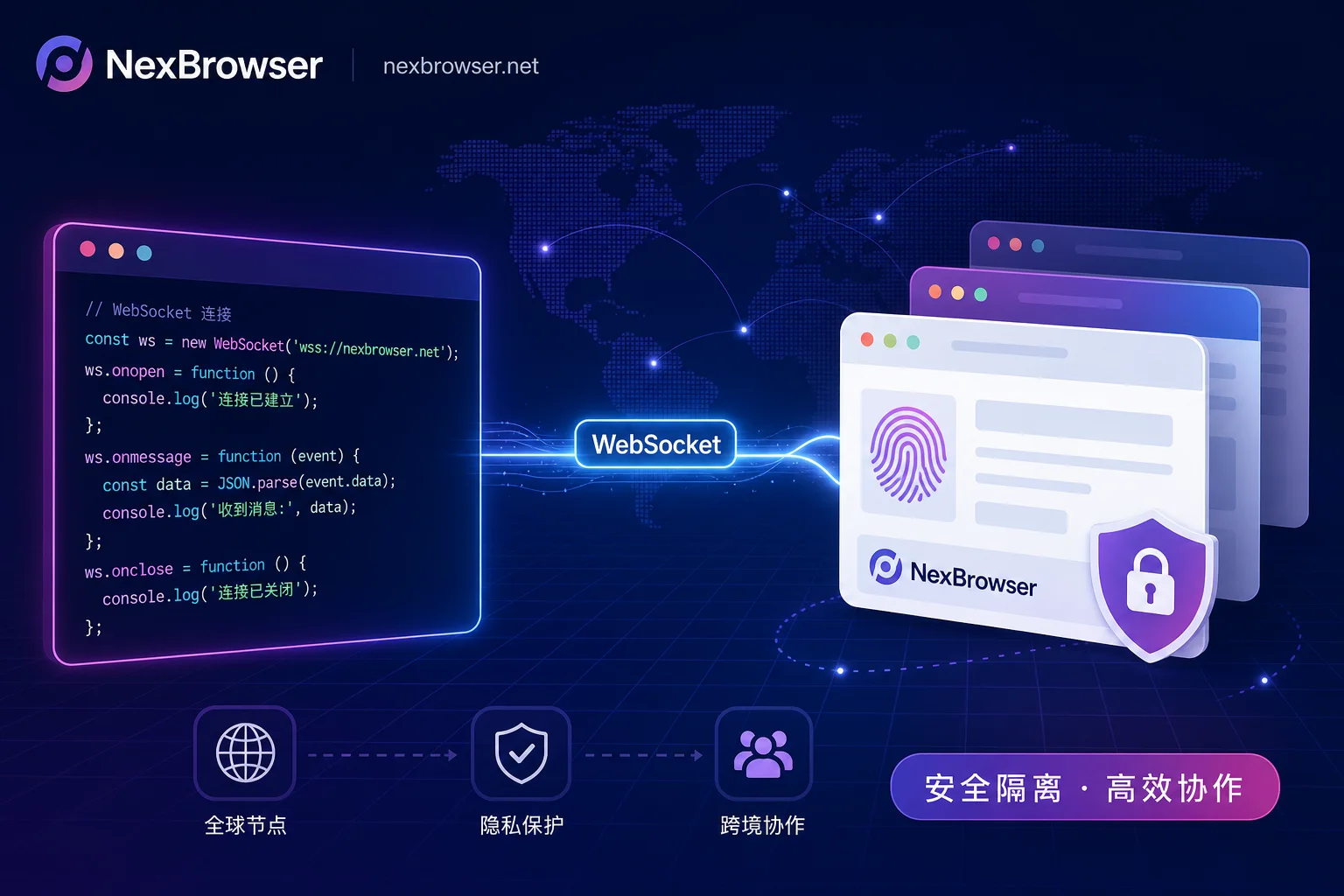
How to Connect Puppeteer to an Antidetect Browser? 3 Ways to Write wsEndpoint
This article categorizes three common symptoms—connection failure, bare browser, and environment cross-talk—and details three ways to obtain and take over the WebSocket debugging endpoint, plus post-upgrade checks after browser core updates.