 NexBrowser指纹浏览器-官方博客Blog
In the operating model of cross-border e-commerce with multi-brand and multi-category layouts, managing multiple Amazon Seller Central accounts has become a common choice for many compliant sellers. However, as the platform's risk control algorithms continue to evolve, account association (Multiple Account Policy Violations) remains a compliance sword hanging over sellers' heads. Once a store is suspended due to policy violations, other associated stores are highly likely to face "collateral bans."
How can you ensure each store's environment is absolutely independent? How can you build an isolation defense line that meets risk control requirements? This article will provide a clear and actionable anti-association guide for cross-border teams, based on the latest platform policies and underlying identification technology.
1. The Underlying Determination Mechanism of Amazon Multi-Account Association
According to Amazon's official "Multiple Account Policy Explanation," the platform allows sellers to have multiple accounts under reasonable business needs (such as operating independent brands or different legal entities), but requires that all associated accounts maintain good compliance status. If one account triggers serious violations or review suspensions, the algorithm will automatically identify and ban all associated stores.
The platform primarily determines connections between accounts through the following three core dimensions:
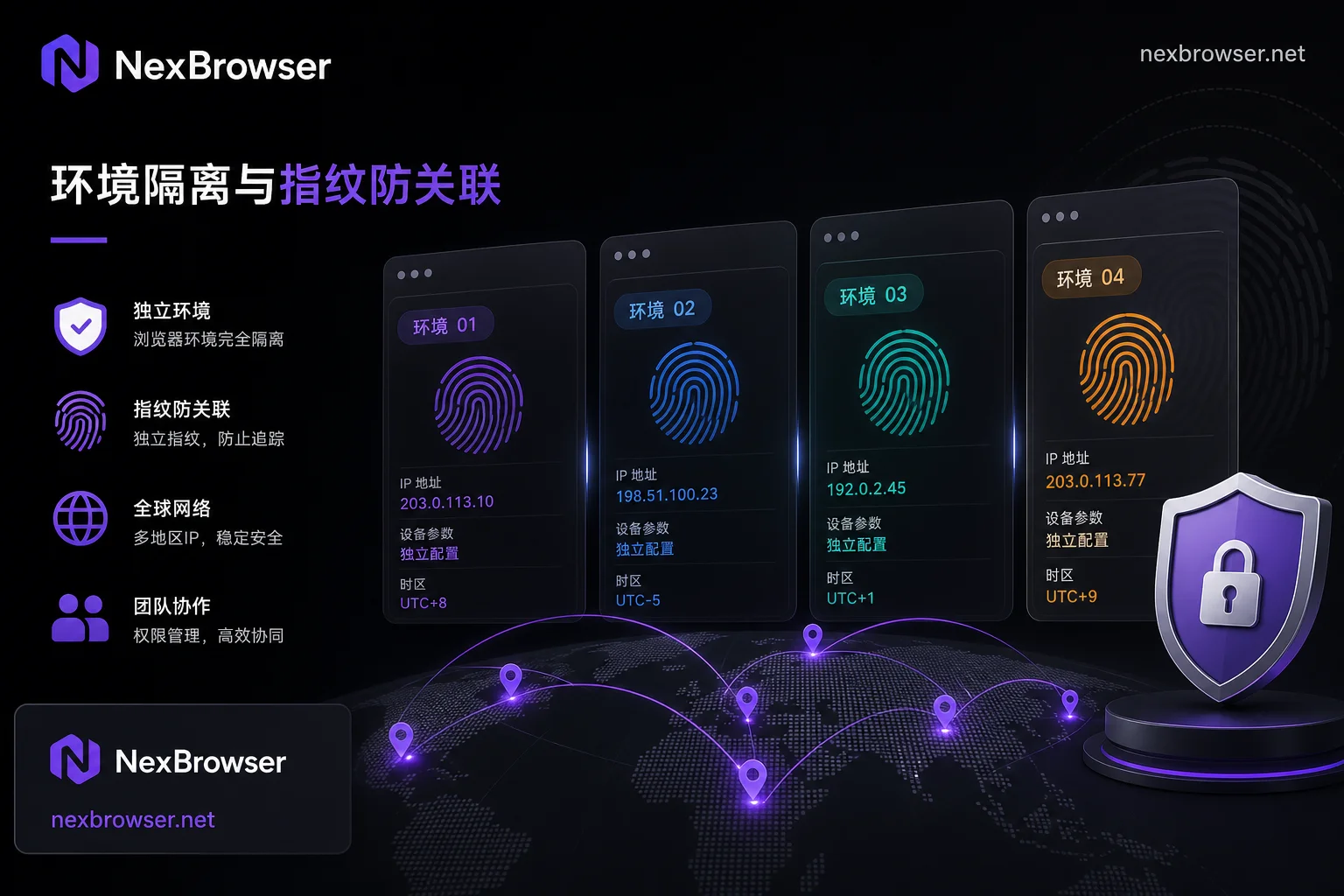
- Environment and device fingerprint: Includes physical device hardware parameters (Canvas fingerprint, WebGL, graphics card model, font list), operating system version, browser cookies, local storage, and WebRTC leakage and other underlying characteristics.
- Network environment and IP address: Frequent use of the same public IP address, high-risk proxy IPs from data centers, or logging into different store backends from the same LAN segment directly triggers the system's determination of connection.
- Registration information and operational behavior: Overlapping legal representative information, payment accounts, phone numbers, etc.; or highly consistent behavioral patterns across different stores in listing titles, product images, and backend login times.
2. Why Traditional Network Switching Methods Cannot Prevent Association?
Many startup teams try to manage multiple accounts using "incognito mode," "clearing browsing history," or regular VPNs. This approach poses extremely high security risks:
- Incognito mode does not change hardware fingerprint: Incognito mode only prevents local storage of cookies and history, but websites can still call JavaScript APIs to read the device's Canvas rendering, AudioContext, and system fonts, generating a unique device fingerprint.
- VPN cannot provide environment isolation: VPN only changes the network IP, and most public VPN nodes have low IP purity. Multiple sellers using the same node can easily cause "indirect association."
- Risk of multi-account switching on a single device: Even if you change the IP, the hardware parameters of the same computer remain consistent. Amazon's algorithm can identify potential mappings through multi-dimensional fingerprint cross-comparison.
3. Compliance Steps for Building Physical-Level Environment Isolation
To achieve robust multi-store anti-association, the core idea is to build a "one account, one environment, one independent IP" physical isolation system:
Step 1: Configure Exclusive Clean Proxy Network
Each store account needs to be fixedly bound to an independent HTTP/HTTPS or SOCKS5 premium residential proxy IP, avoiding IP mixing between different accounts or frequent cross-regional jumps.
Step 2: Implement Browser Fingerprint and Cookie Physical Isolation
Use professional anti-association isolation tools to generate a dedicated browser profile for each account. Ensure that the Chrome fingerprint parameters, cookies, local storage, and cache of each profile are mutually isolated and do not interfere with each other.
Step 3: Standardize Internal Team Collaboration Permissions
Establish a strict account allocation process. Avoid operations personnel logging into multiple stores on personal devices. Use cloud or software-based management to unify environment permissions, ensuring traceable logs.
4. NexBrowser Empowers Secure and Compliant Multi-Store Operations
Addressing the core pain points of cross-border e-commerce teams in environment isolation and multi-account collaboration, NexBrowser provides enterprise-grade fingerprint isolation and environment management solutions.
As an anti-association fingerprint browser designed for cross-border e-commerce and overseas marketing teams, NexBrowser supports the creation of completely independent browser environments. Each environment deeply simulates the real Chrome browser fingerprint and can precisely and independently configure HTTP/HTTPS/SOCKS5 proxy networks. Through deep isolation of cookies, cache, and hardware parameters, it ensures that each Amazon store is recognized by the platform as an independent physical device and network environment during login.
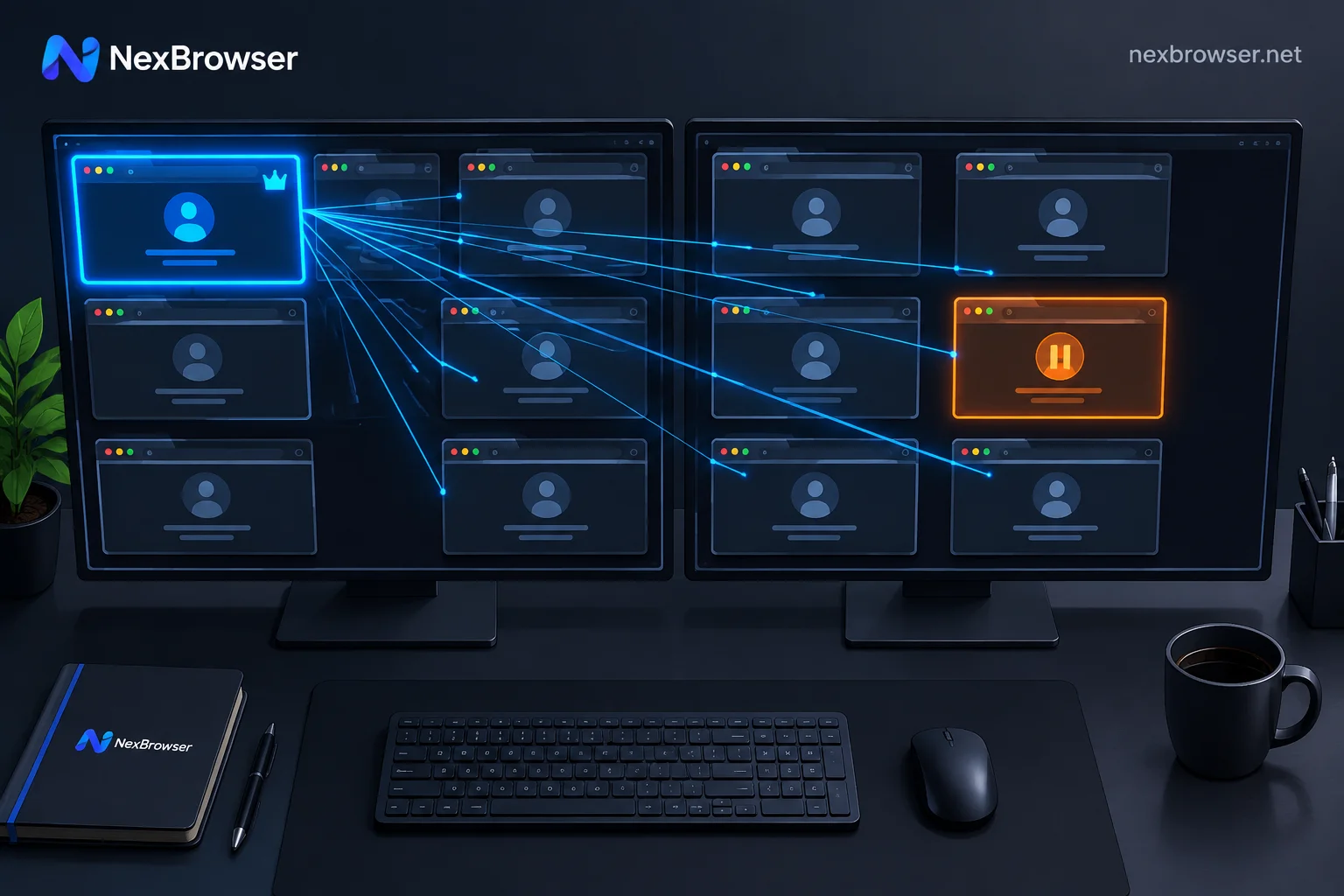
In team collaboration scenarios, NexBrowser helps managers allocate environment and proxy permissions by project, without exposing store plaintext passwords to employees, effectively preventing cross-environment mislogging due to individual operational errors. Additionally, the product supports Local API and WebDriver automation integration, allowing for compliant and efficient multi-store data synchronization and automated workflows with internal systems.
5. Multi-Store Anti-Association Compliance Checklist
In daily operations, cross-border e-commerce management teams are advised to conduct regular self-checks against the following checklist:
- [ ] Account Information Independence: Ensure that each store's registered business license, legal representative ID, payment account, and phone number are completely independent.
- [ ] Environment Configuration Uniqueness: Use NexBrowser to create a dedicated isolated window for each store and precisely bind an independent clean proxy IP.
- [ ] Network Status Verification: Before each backend login, check the proxy IP's connectivity and geographic location consistency with the store's registration region.
- [ ] Team Permission Management: Regularly clean up environment access permissions for departed employees or irrelevant personnel, implementing the principle of one person per position.
Compliance is the foundation of long-term cross-border business. By establishing a scientific fingerprint isolation mechanism and standardized team collaboration processes, sellers can effectively avoid association risk control and focus on product research and overseas market expansion.



Comments(0)