 NexBrowser指纹浏览器-官方博客Blog
AdsPower vs RoxyBrowser: Choose by Kernel, Automation, and Team Needs, Then Verify with a Trial
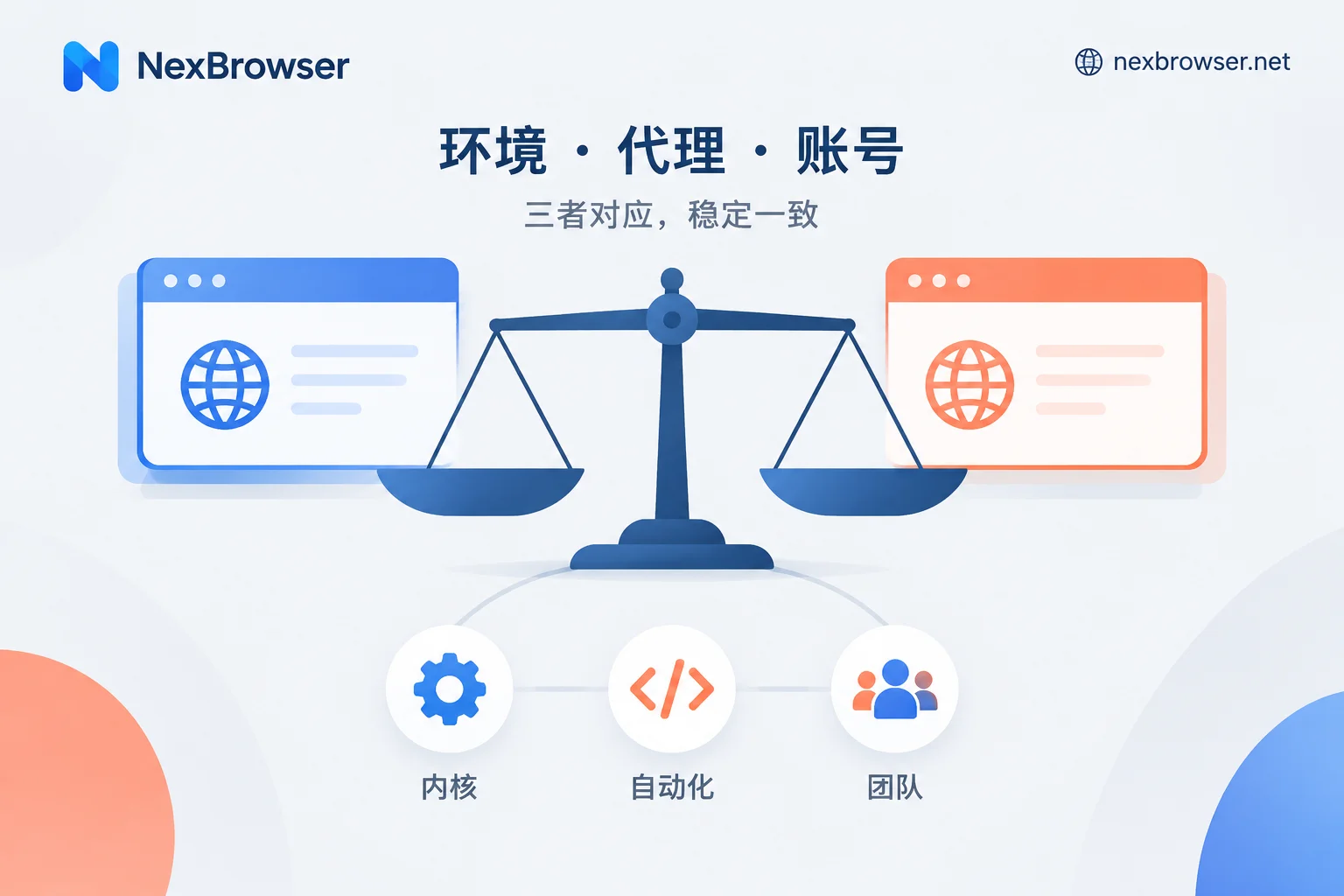
AdsPower offers dual Chromium and Firefox kernels, a mature RPA template ecosystem, granular team permissions and auditing, and Windows, macOS, and Linux clients, while RoxyBrowser is Chromium-based, has a simpler interface, targets individuals and small teams, and supports AI control via MCP. This article compares them item by item across kernel, automation, team collaboration, and system platform, and provides a checklist you can complete during a trial to decide which one suits you.
AdsPower Alternatives: Clarify What You Want to Change, Then Choose by Scenario
Common AdsPower alternatives include Multilogin, GoLogin, Dolphin{anty}, Incogniton, and NexBrowser. This article maps common reasons for switching—cost, automation, OS platform, team collaboration—to suitable tools, then provides a method to validate with free tiers and migrate accounts in batches to avoid pitfalls.
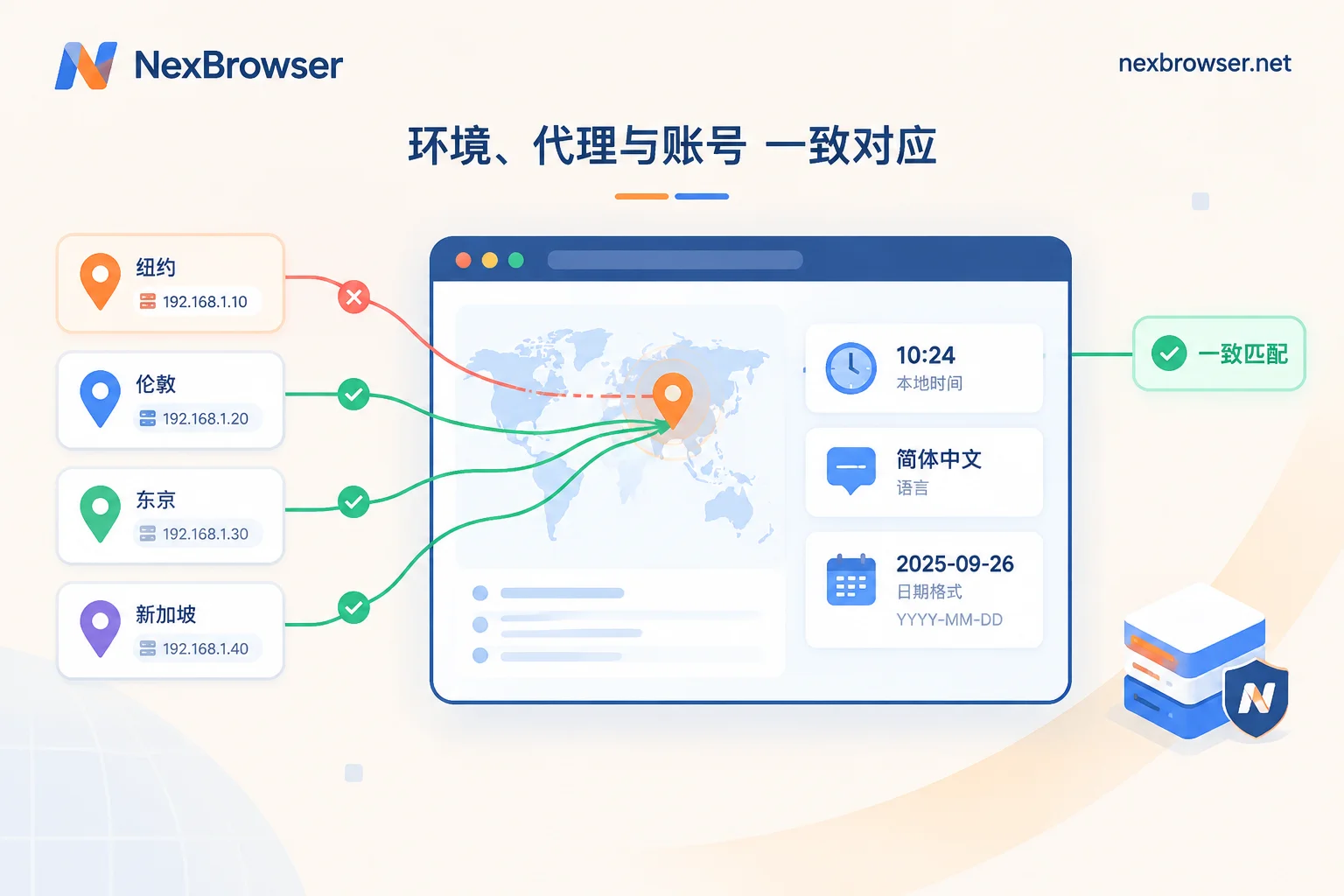
IP and Browser Timezone/Language Mismatch Triggers Risk Control: First Identify the Discrepancy Layer, Then Align in the Environment
Website risk control often cares not about the proxy itself, but about contradictions between the exit IP and the browser-reported timezone, language, regional format, and geolocation. This article explains where each piece of information is exposed, how to identify discrepancies layer by layer, how to align parameters according to the exit IP in each account's isolated environment, and how to handle exceptions like multi-timezone countries, daylight saving time, and bilingual regions.
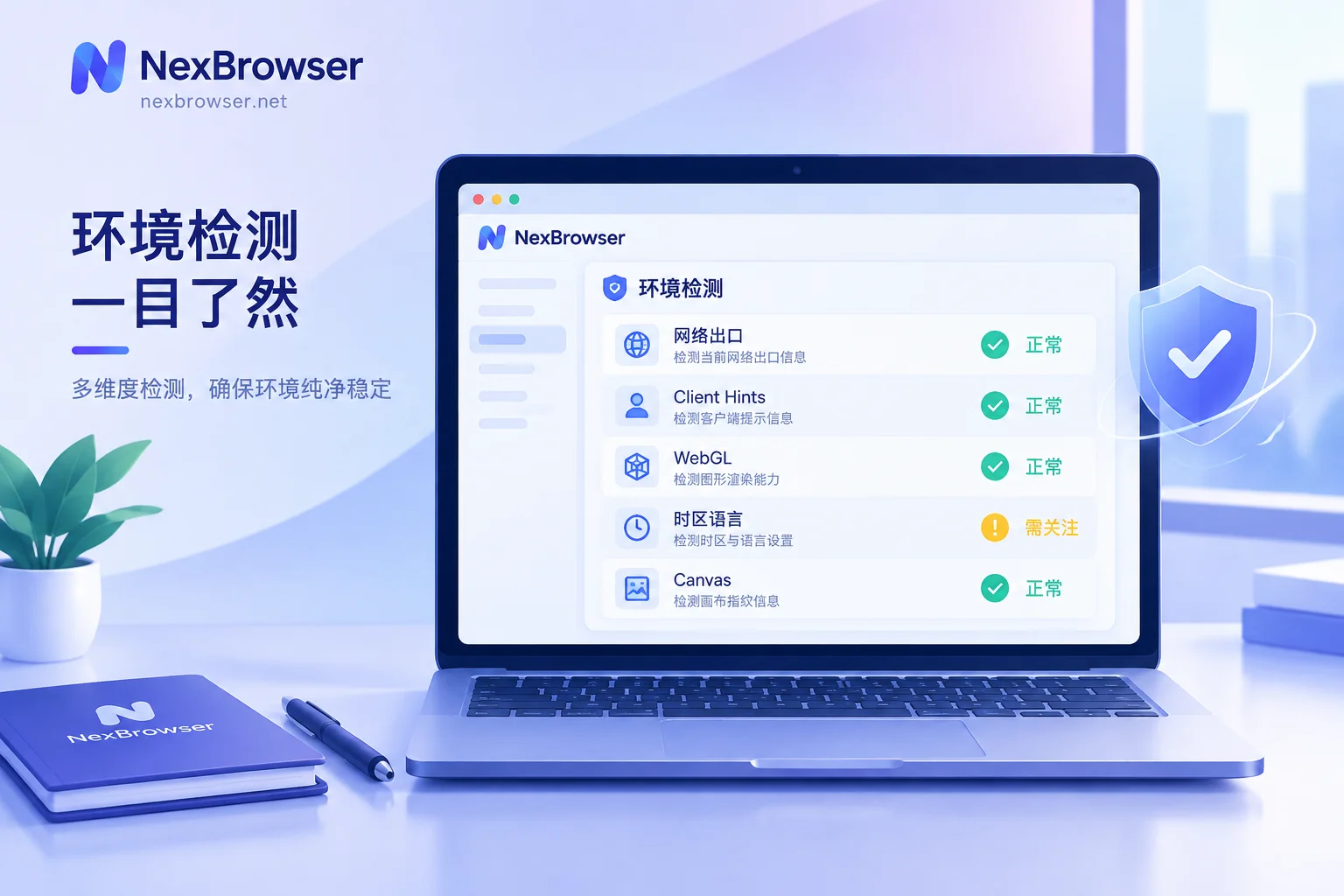
How to Detect Fingerprint Browser Environment Authenticity and Spoofing Leaks: Three Types of Issues, Three Tools, One Checklist
Detecting a fingerprint browser environment mainly involves three things: whether the real IP leaks, whether parameters across layers match, and whether there are obvious signs of added noise.
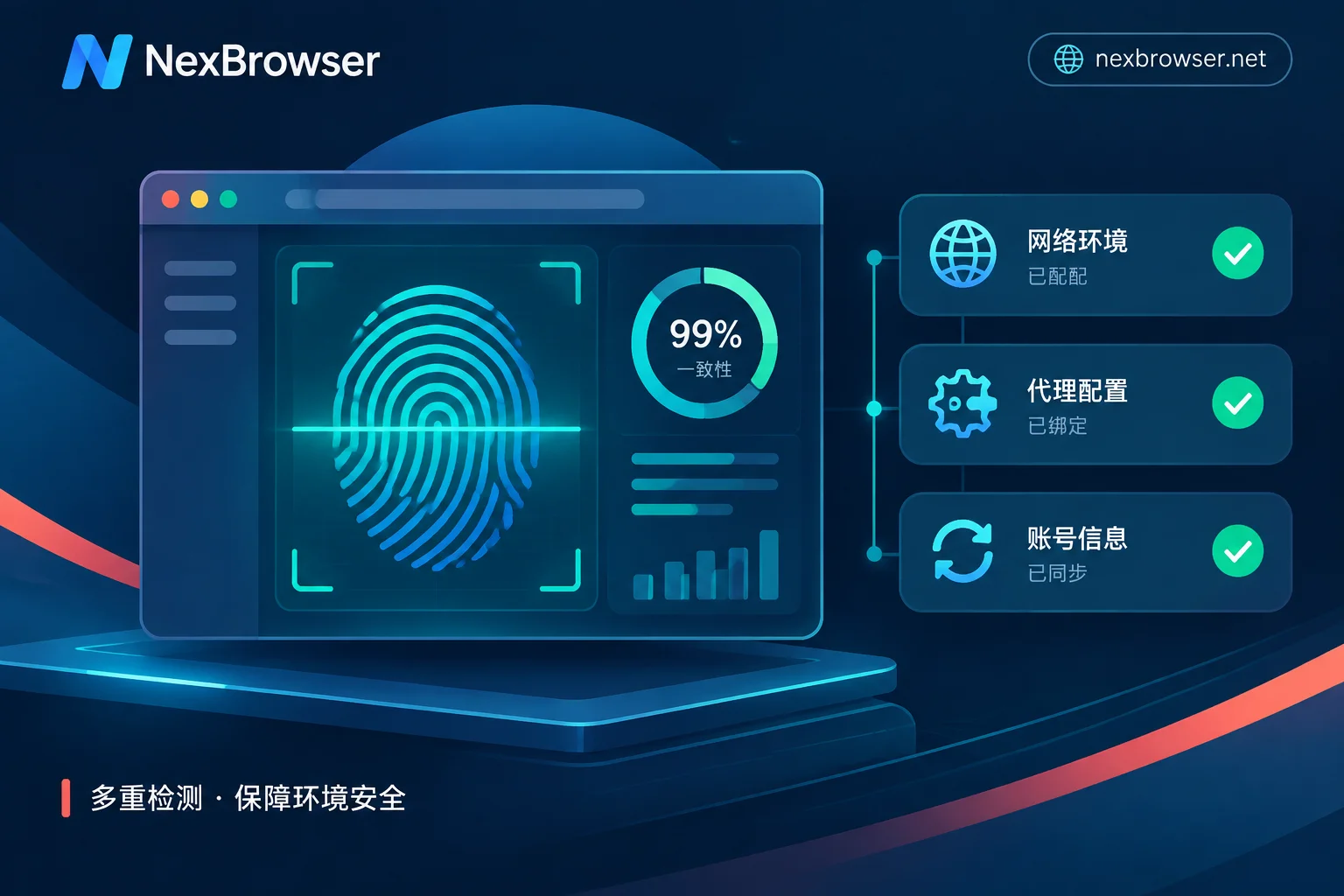
Browser Fingerprint Detection Upgraded Again in 2026: Test Whether Your Antidetect Browser Really Works
Fingerprint detection in 2026 focuses on overall consistency. This article covers three checkpoints—network alignment, parameter self-consistency, restart stability, and environment isolation—to explain how to test an antidetect browser using Pixelscan, BrowserScan, and CreepJS in your actual working environment, how to interpret results, and when to retest.