 NexBrowser指纹浏览器-官方博客Blog
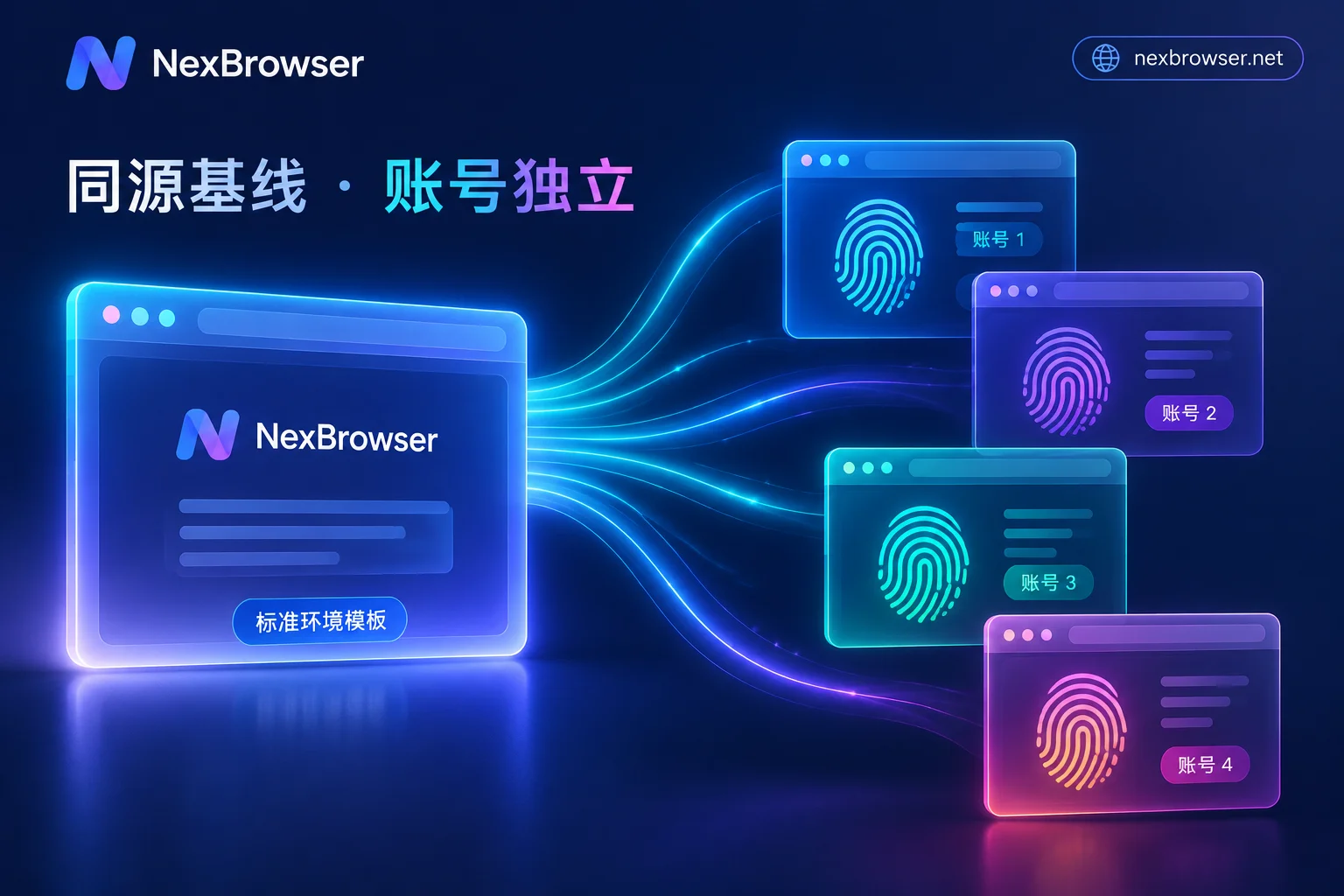
How to Save Browser Environments as Templates for Batch Replication: Three Methods with Fixed Baseline and Independent Fingerprints
The key to saving anti-detect browser environments as templates and batch replicating them is to separate two layers: templates only store the business baseline such as OS, kernel version, and extension configuration, while each derived environment automatically generates an independent and consistent hardware fingerprint and proxy IP. The article presents three practical approaches: quick client-side derivation, Excel batch import, and Local API script creation, along with essential proxy connectivity and fingerprint consistency verification steps after batch generation.
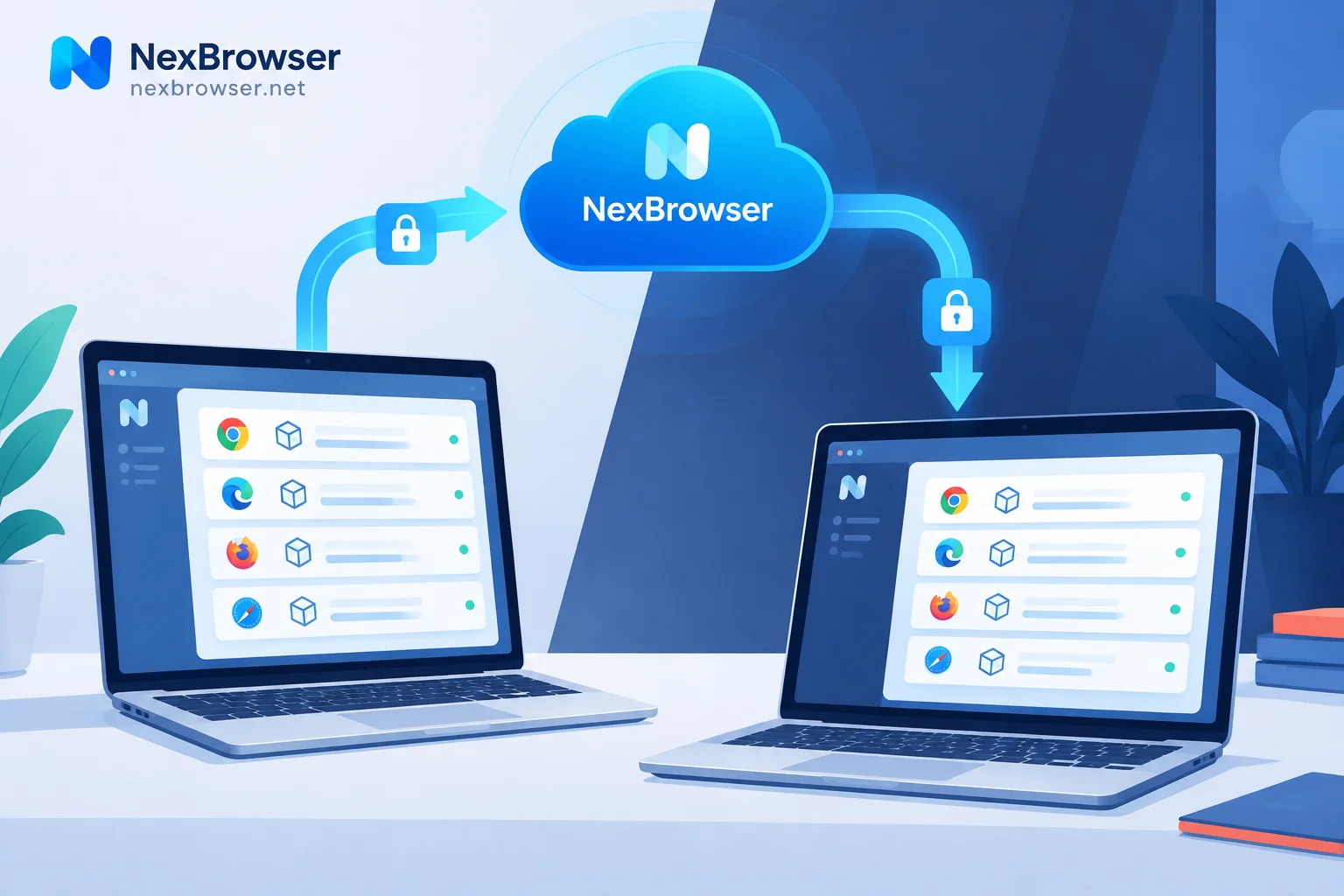
How to Restore Fingerprint Browser Environments After Switching Computers: Action Order Before and After Migration
Restoring fingerprint browser environments after switching computers relies on encrypted cloud sync, not manual copying of local cache directories. This article outlines the three things to do on the old computer, the restoration steps on the new computer, and the order for verifying proxies and exit IPs before and after opening environments, plus which phenomena (like re-verification or lost offline extensions) are normal and which two actions will actually overwrite your data.

How to Pay for a ChatGPT Subscription in the Philippines: Full Order from Environment Setup to Checkout
OpenAI's web platform supports Philippine peso billing, with the Pro 20x tier priced at about ₱9,990/month in the Philippines—roughly $40 less than the $200 USD price after conversion. This guide explains the sequence: how to create a clean Philippine environment in NexBrowser, bind a NexIP residential IP and verify exit, timezone, and language, confirm currency and total with tax at checkout, and where to check first if a card is declined.

Fingerprint Browser Download and Installation to First Working Environment: Five Steps and Three Verifications
From downloading the Windows client to building your first isolated browser environment: naming and grouping, binding and testing proxies per environment, aligning fingerprint parameters with the exit location, and verifying exit IP and WebRTC before logging into accounts. Includes common pitfalls and how to restore on a new machine.
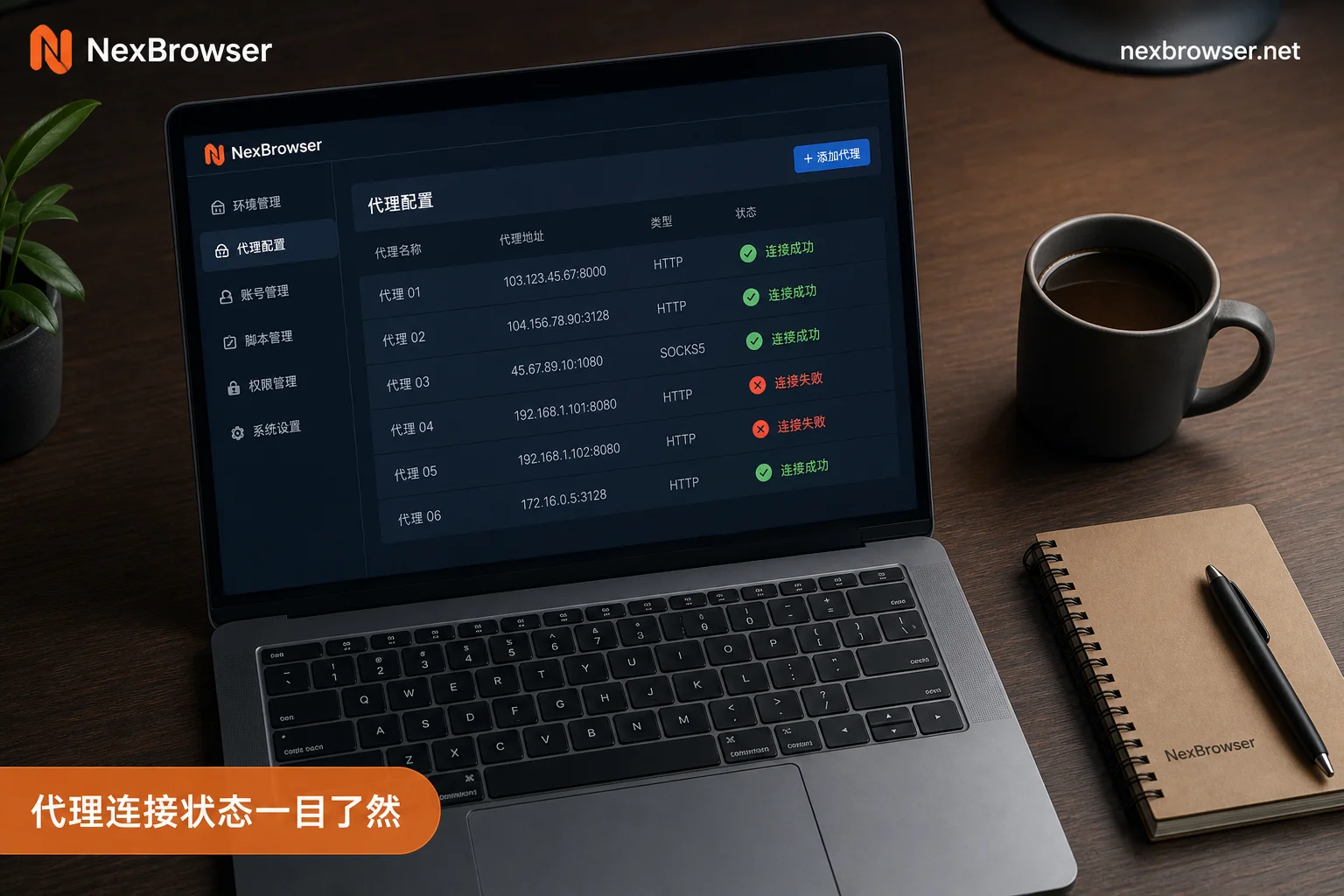
Troubleshooting a Failed One-Click Proxy Check After Import
If the one-click check fails after importing a proxy, the cause usually lies in configuration format, authentication, local network interception, or the proxy node itself—follow this four-step troubleshooting order.