 NexBrowser指纹浏览器-官方博客Blog
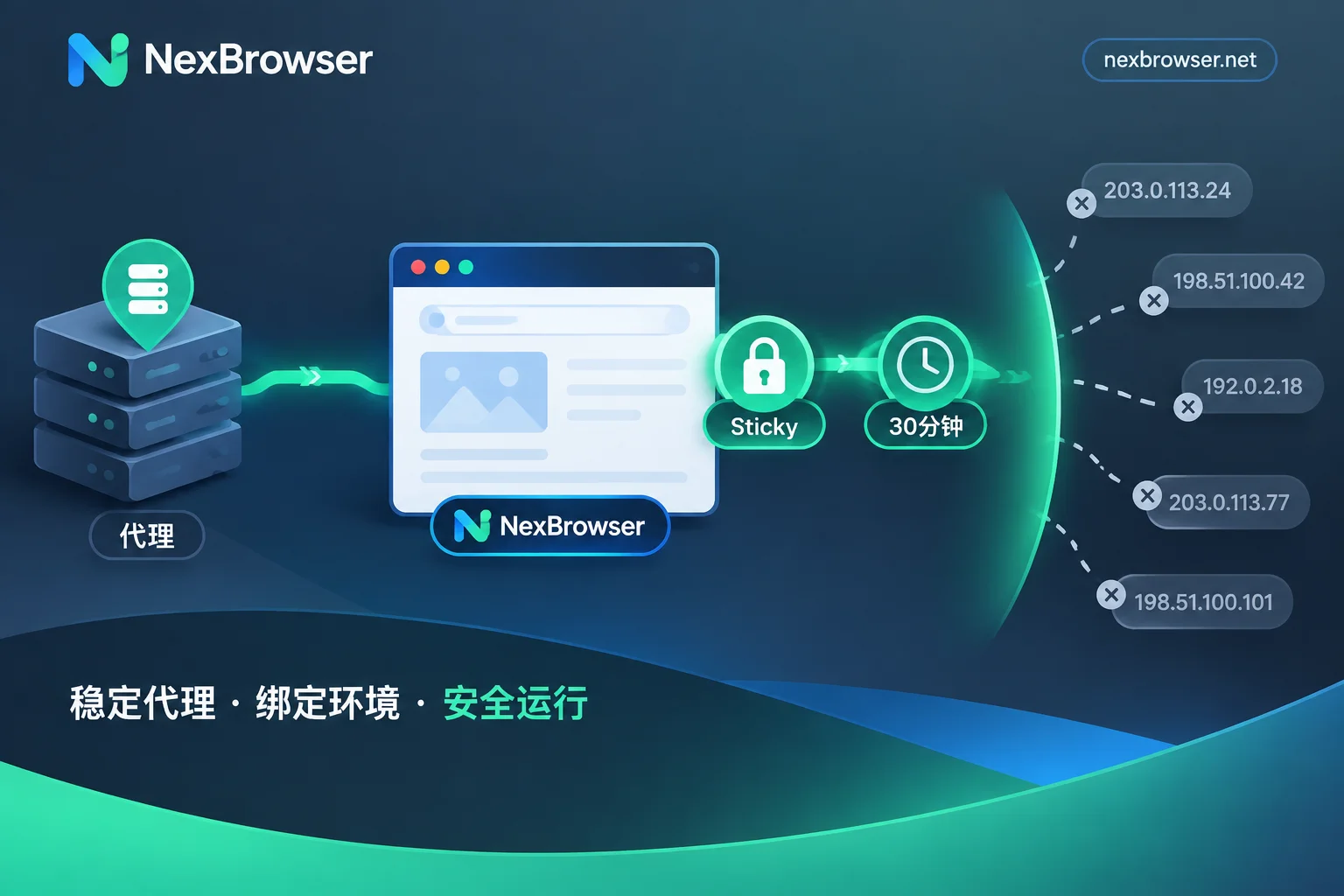
Do Antidetect Browsers Support Rotating Proxies? Yes, But Use Sticky Sessions and Verify the Exit Doesn't Change Mid-Session
Antidetect browsers can connect to rotating proxies over HTTP/HTTPS/SOCKS5, but per-request rotation breaks browser environments; use sticky sessions and verify exit consistency.
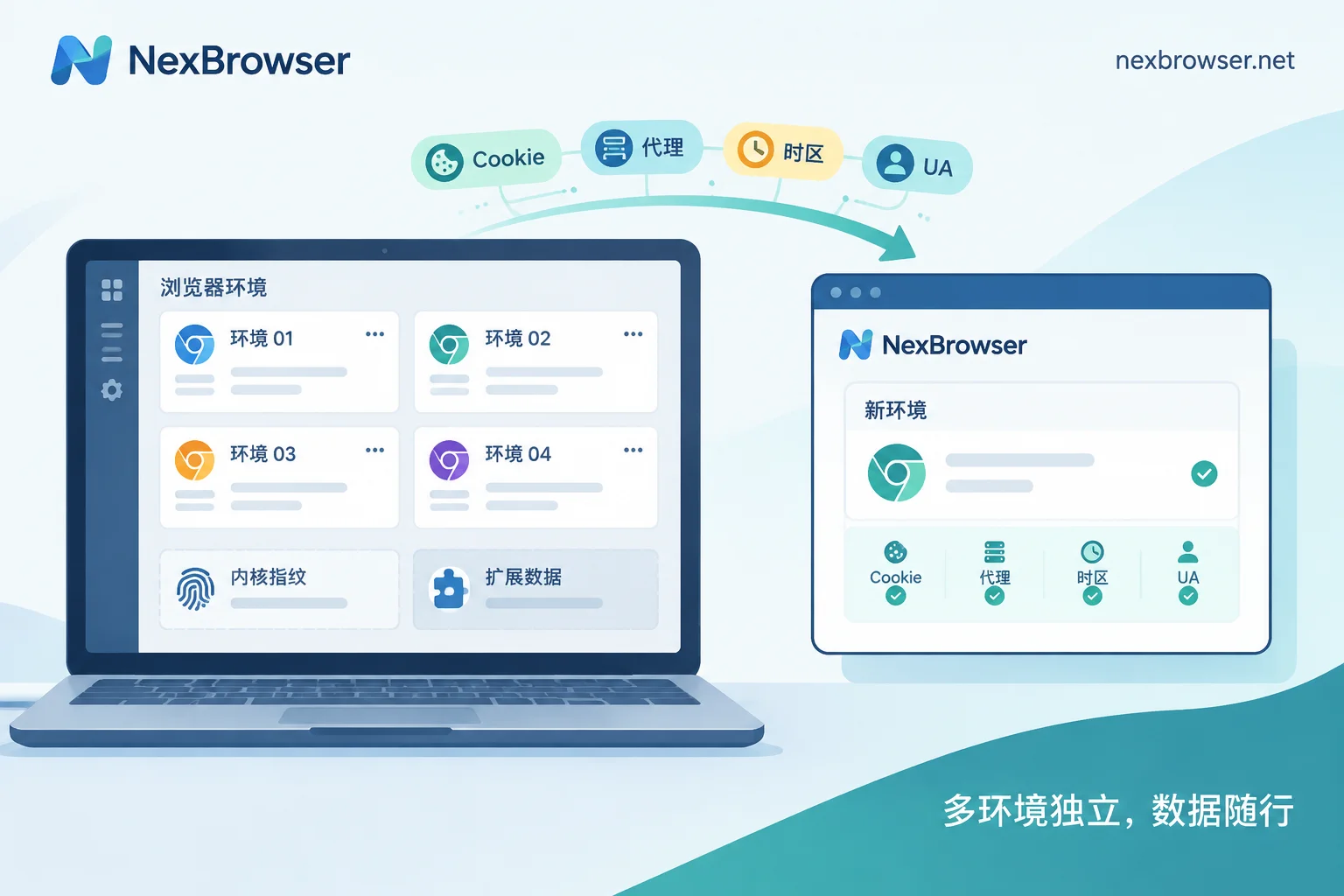
Fingerprint Browser Migration: Can Environments Move Between Software?
Explains what data can be migrated when switching fingerprint browsers (cookies, proxies, user agents) and what cannot (underlying fingerprints, extensions, local storage), plus migration steps and same-software cloud sync.
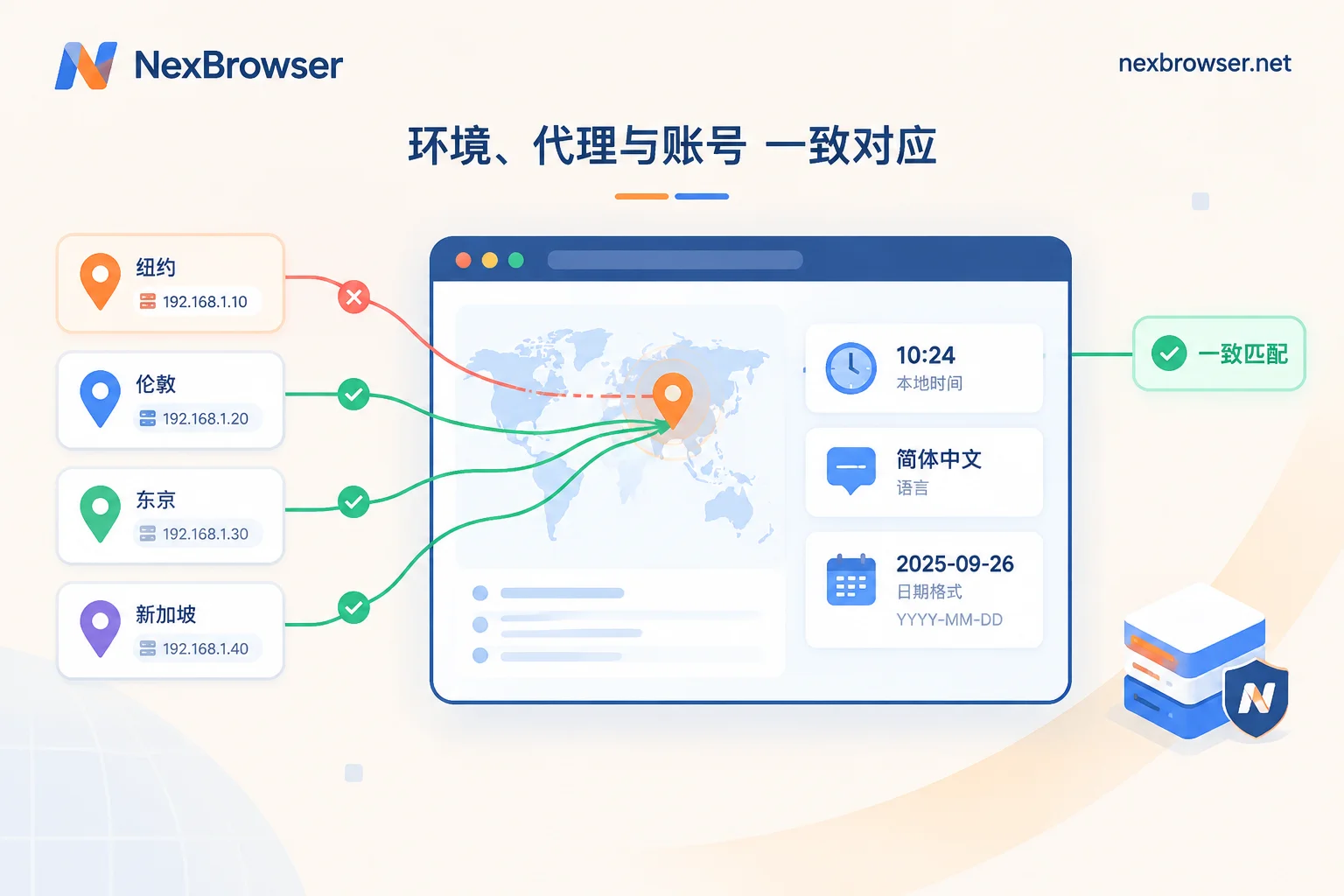
IP and Browser Timezone/Language Mismatch Triggers Risk Control: First Identify the Discrepancy Layer, Then Align in the Environment
Website risk control often cares not about the proxy itself, but about contradictions between the exit IP and the browser-reported timezone, language, regional format, and geolocation. This article explains where each piece of information is exposed, how to identify discrepancies layer by layer, how to align parameters according to the exit IP in each account's isolated environment, and how to handle exceptions like multi-timezone countries, daylight saving time, and bilingual regions.
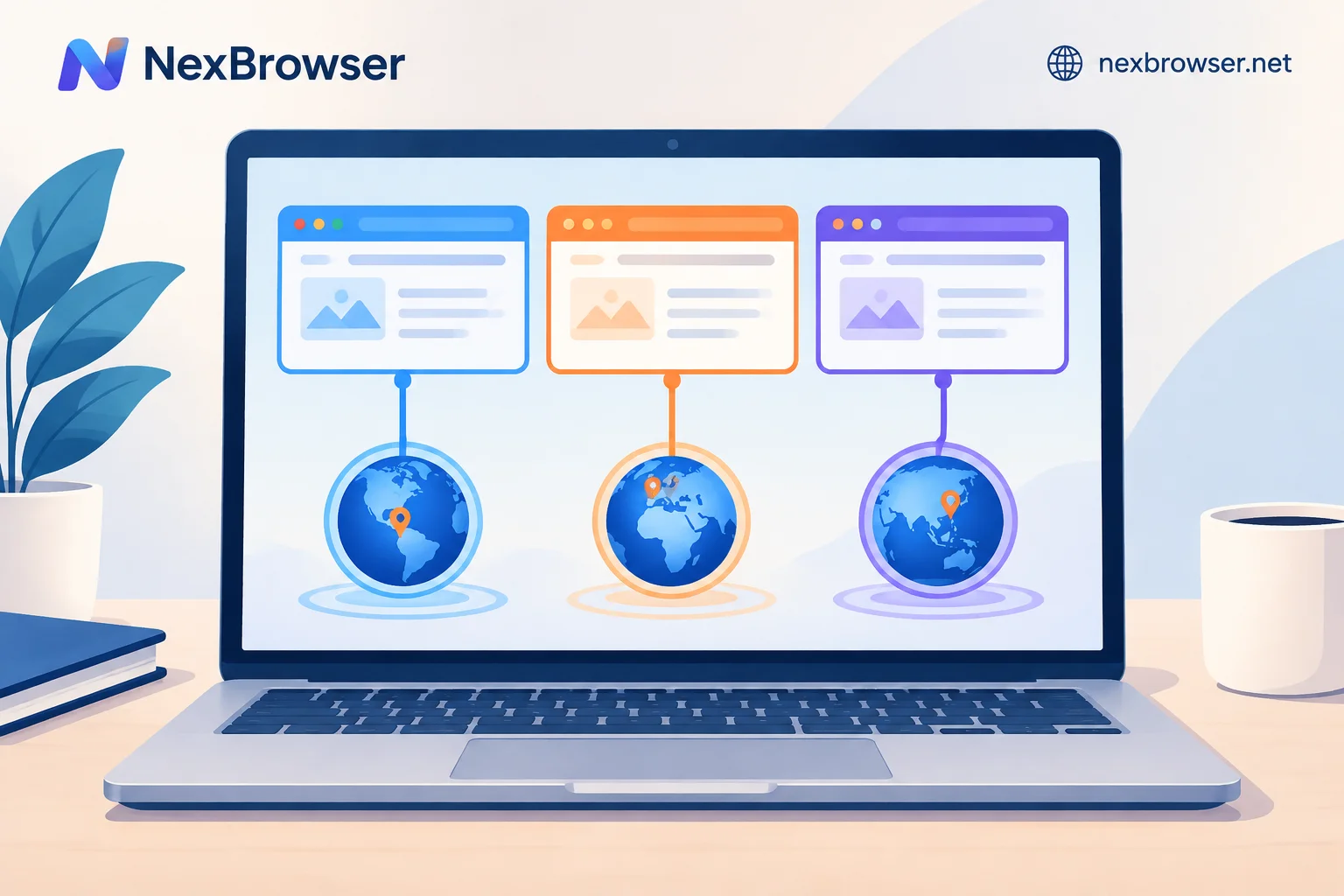
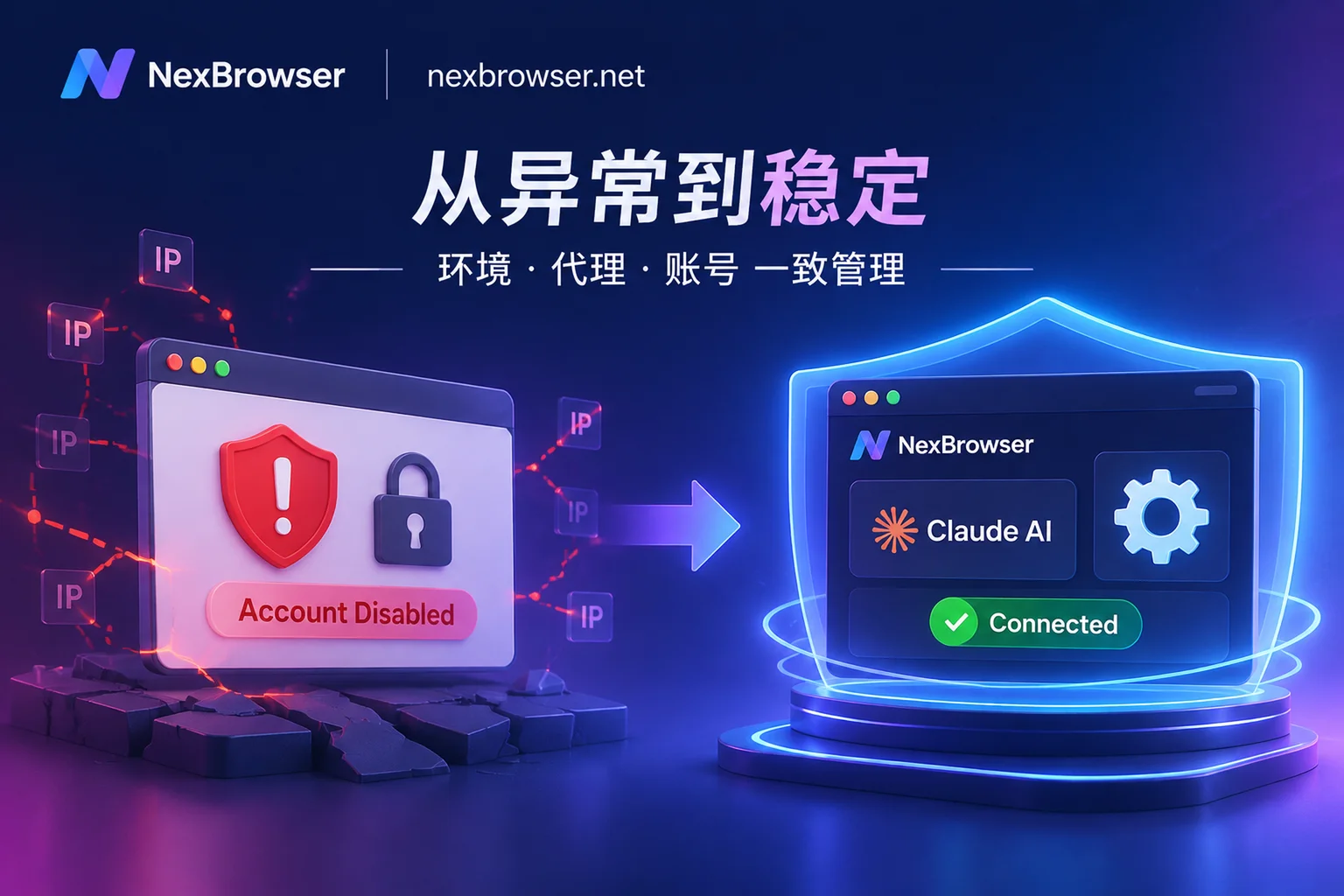
How to Separate Login Environments for Multiple ChatGPT and Claude Accounts: Use Official Switching for Two or Fewer, One Account per Environment Beyo
ChatGPT's official web switcher keeps at most 2 accounts logged in at once, while Claude has no native switching. For more accounts or cross-platform management, use one browser environment per account with isolated storage and egress IP.
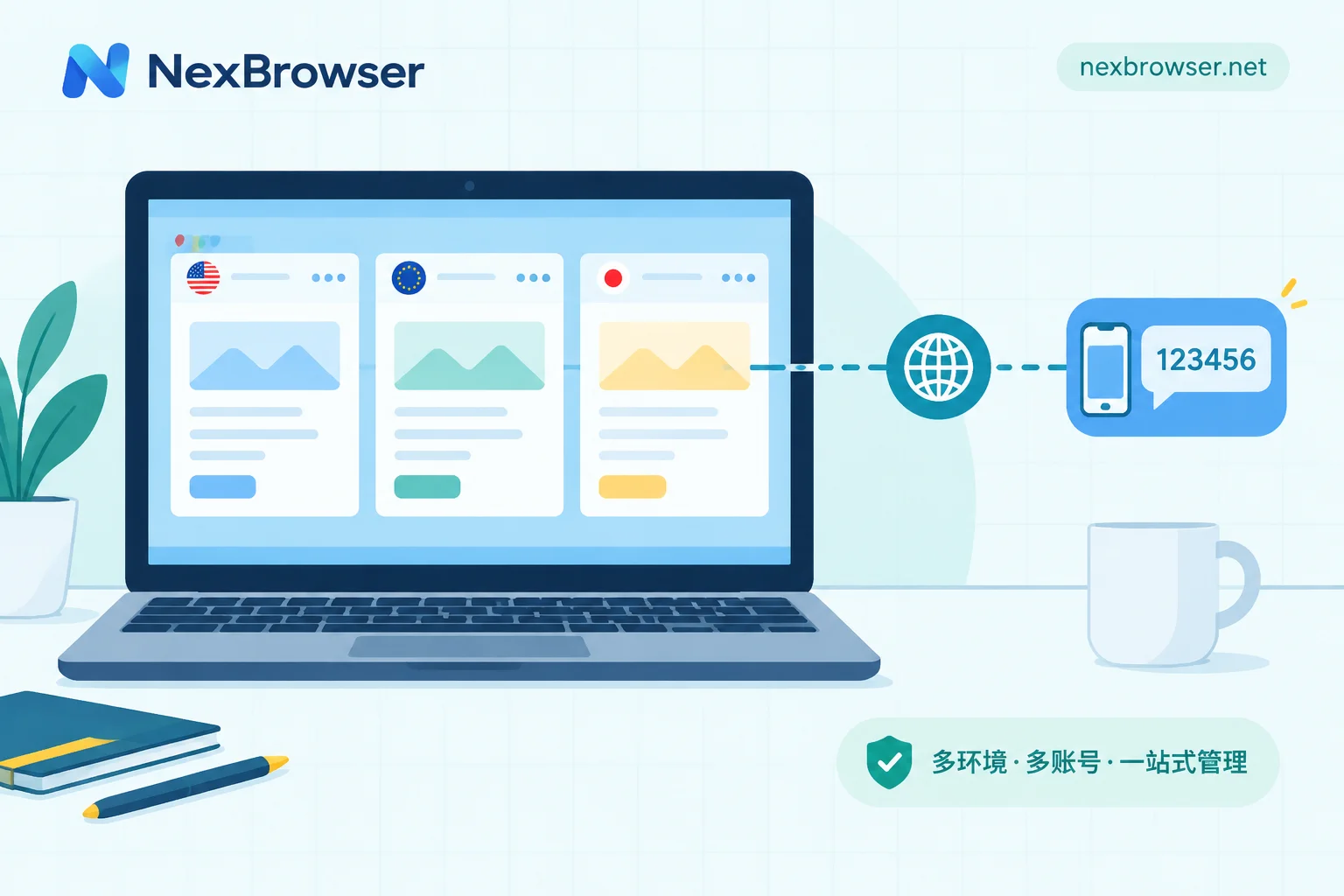
How to Get a Number and Receive OTP in a Browser Environment: Align Region First, Then Fill In the Code
The correct order for getting a number and receiving SMS codes is to first create an isolated environment, bind a proxy and verify its exit location, then request a number matching the exit region, submit it, and enter the code within the time limit.