 NexBrowser指纹浏览器-官方博客Blog
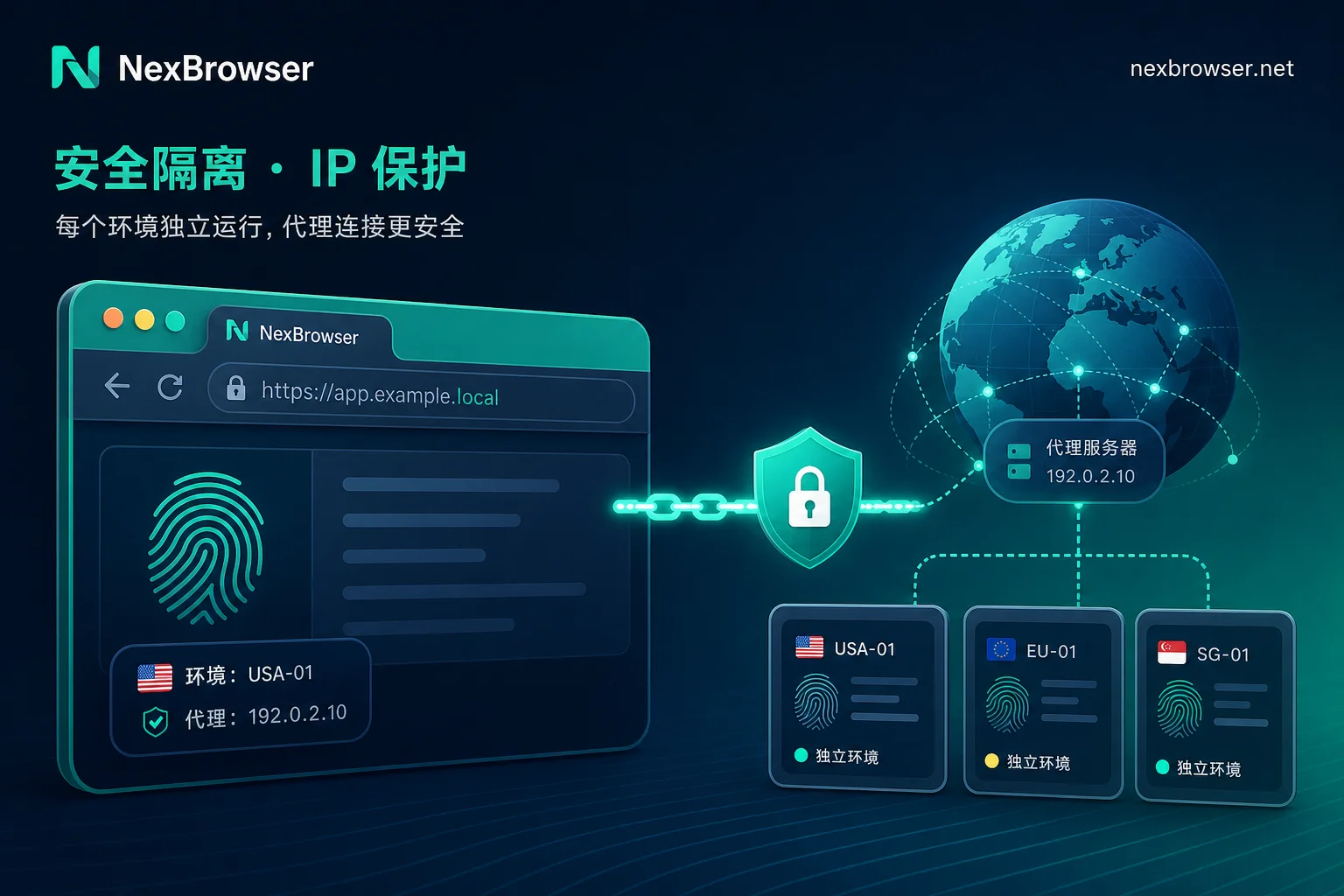
WebRTC Fingerprint Leak Prevention: mDNS Only Masks Local IPs; What Really Matters Is Whether STUN Goes Through the Proxy
mDNS only hides local IPs; to truly prevent WebRTC leaks, verify that STUN's UDP traffic follows the proxy and that the srflx public IP matches the HTTP egress IP.
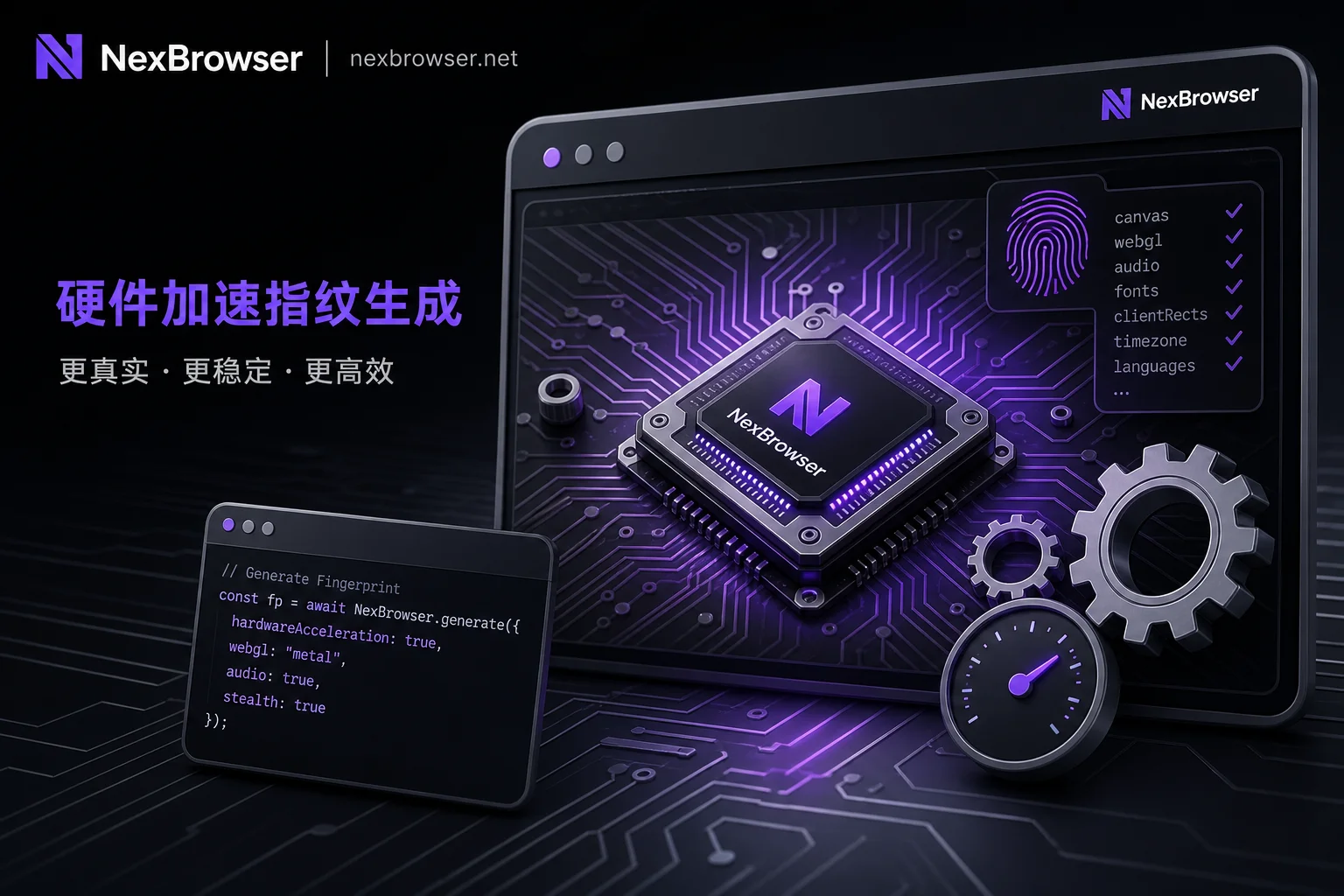
After Competitors Upgrade to Chrome 150 Kernel and Enhance WebGPU, What Layers Determine GPU Fingerprint?
Explore how GPU fingerprints are determined by hardware acceleration, graphics interfaces, and kernel version baselines after recent fingerprint browser updates.

Breaking Down Audio Fingerprinting into Three Layers: Collection / Rendering / Site Comparison – Where Exactly Does Masking Apply?
An explanation of how AudioContext audio fingerprint masking works at different layers, why it may fail platform verification, and how to self-check for consistency.

New Landscape in Browser Fingerprinting: How to Troubleshoot in Three Layers After DataDome Launches Proof of Browser
After DataDome's Proof of Browser, browser fingerprinting now focuses on native execution capability, and this article provides a three-layer troubleshooting method.

How to Choose a Multilogin Alternative? Four Sync Metrics to Verify After Chrome 150 Kernel Release
Learn how to evaluate Multilogin alternatives by checking four key metrics for kernel synchronization, not just marketing claims.